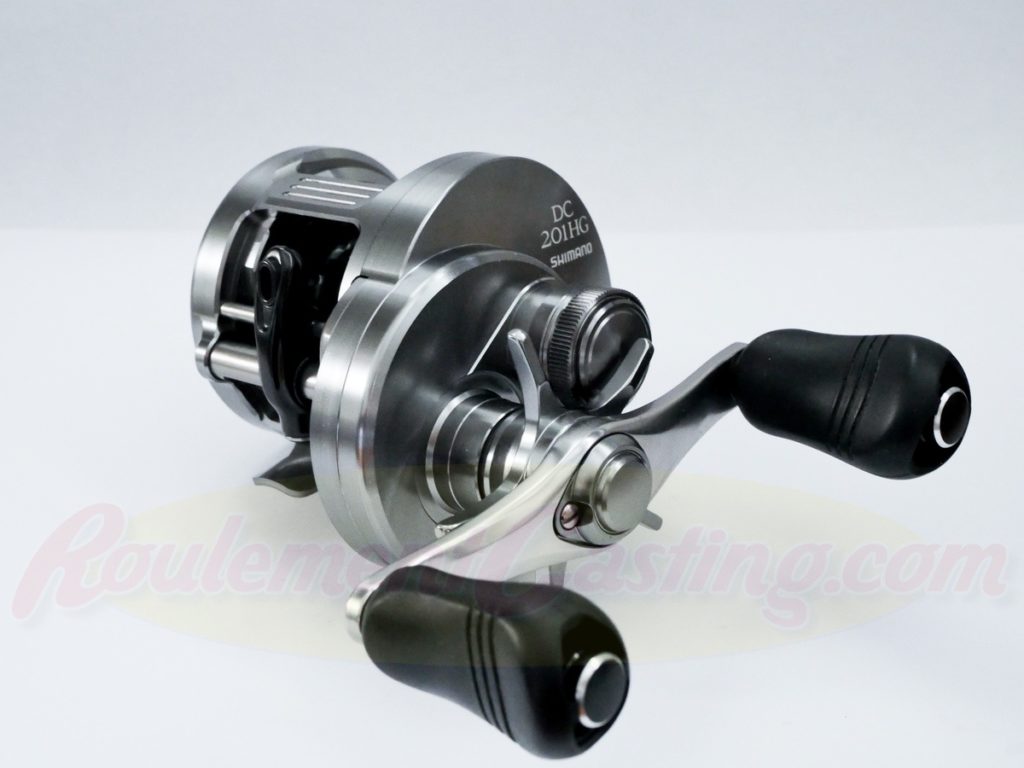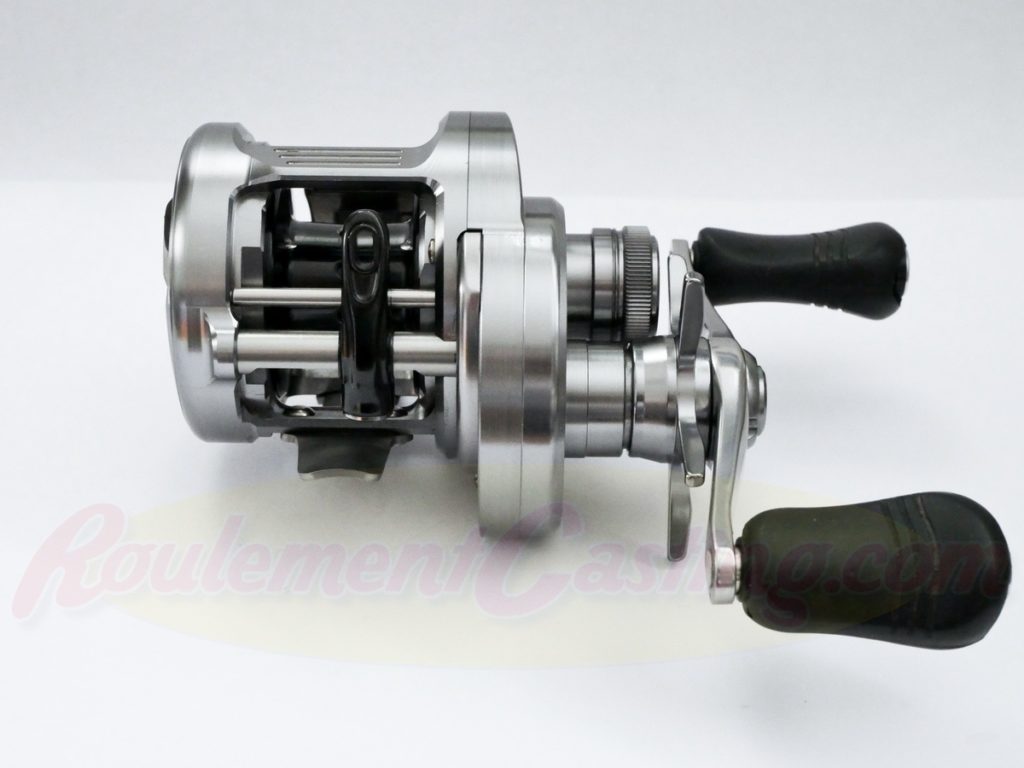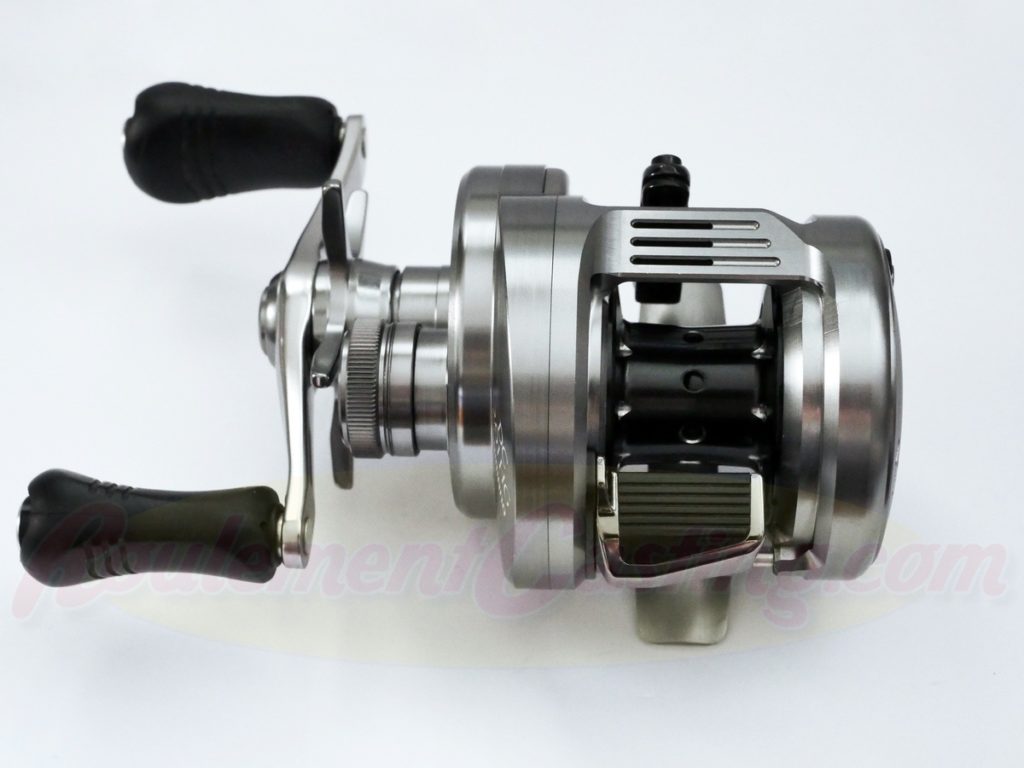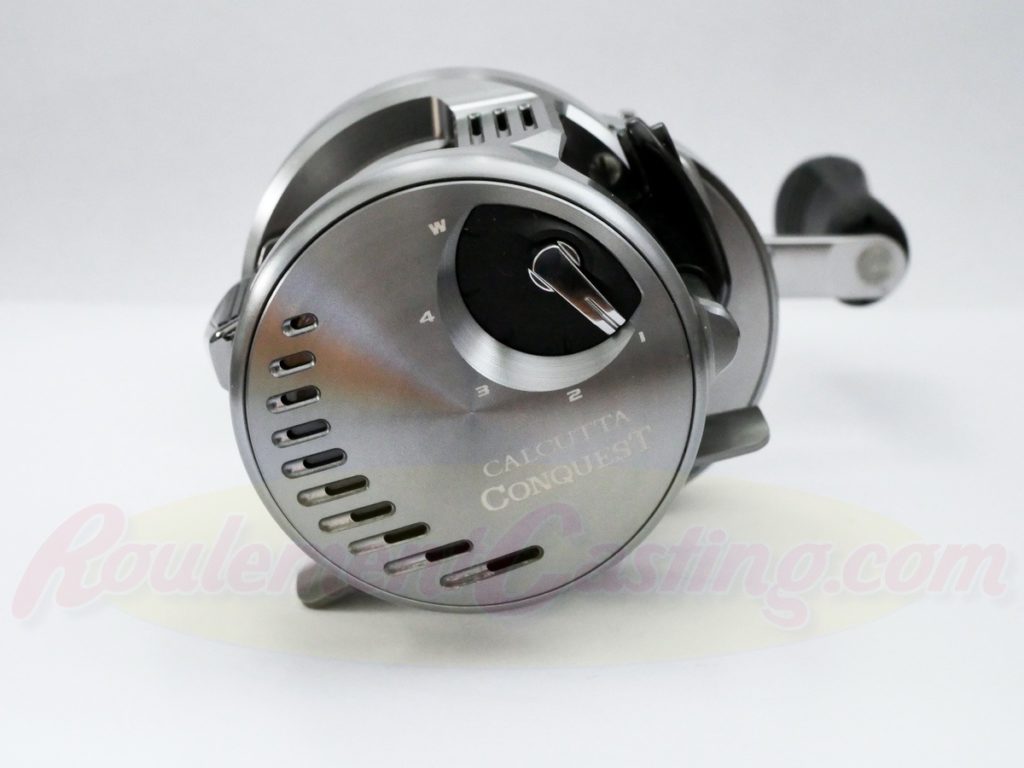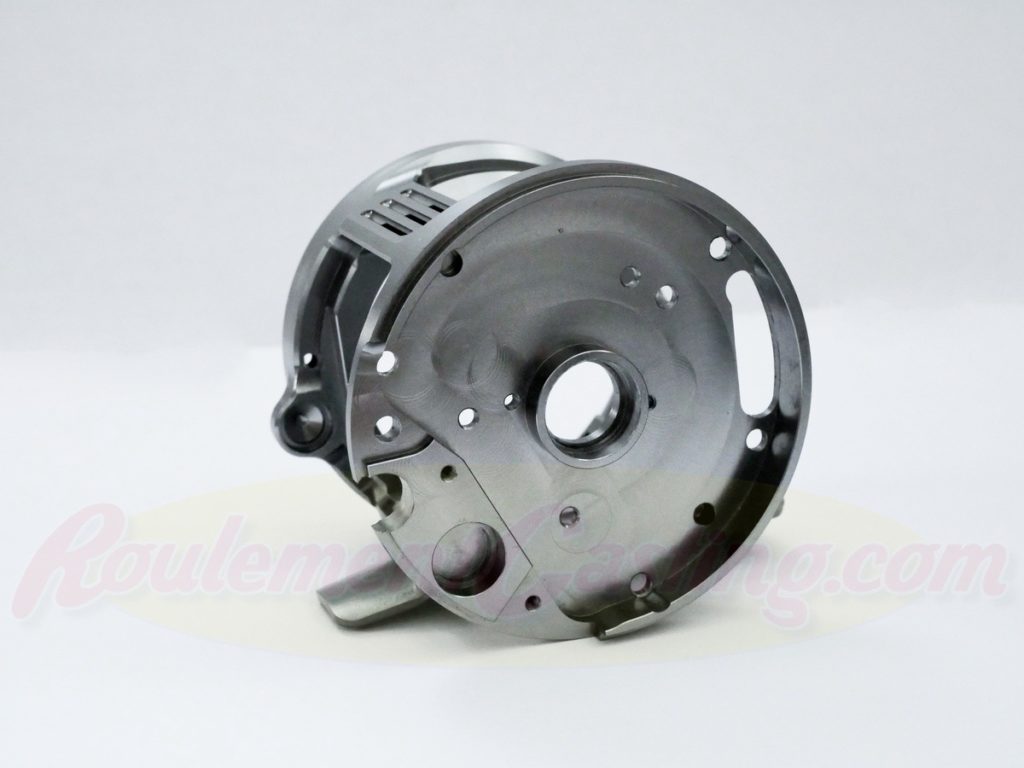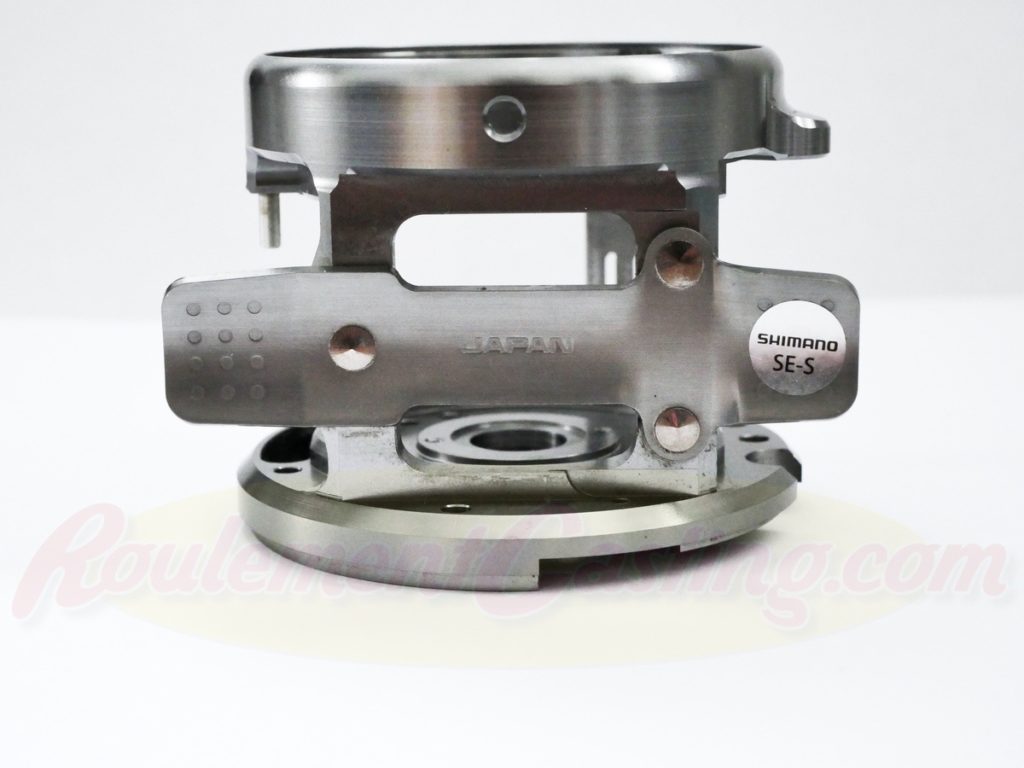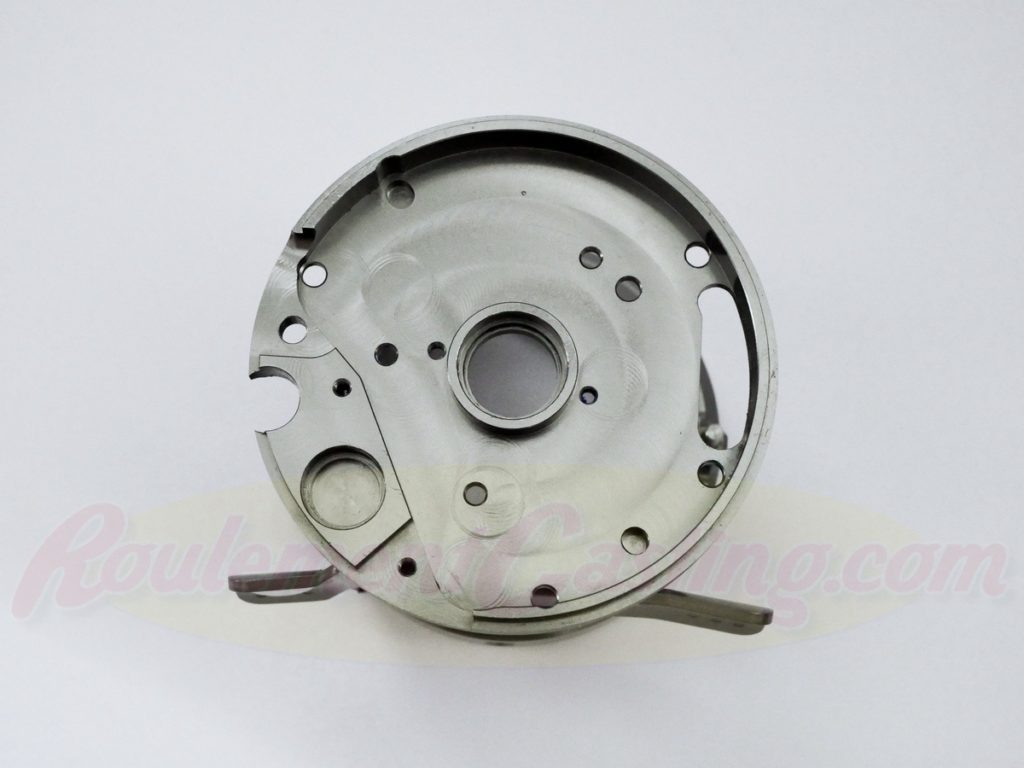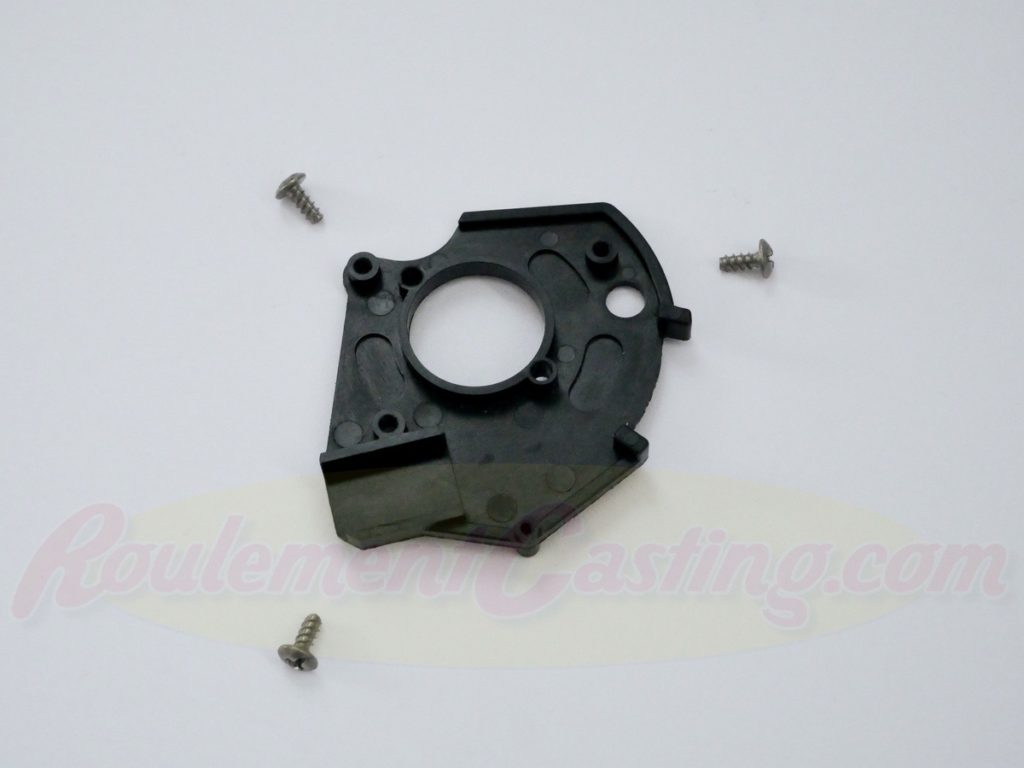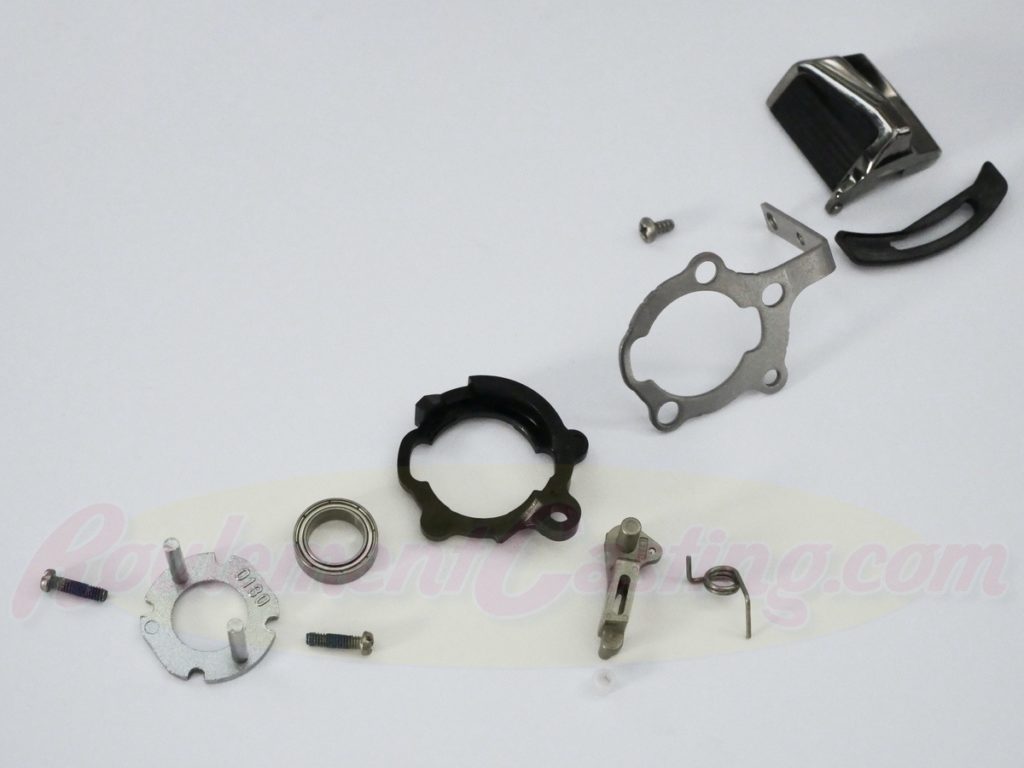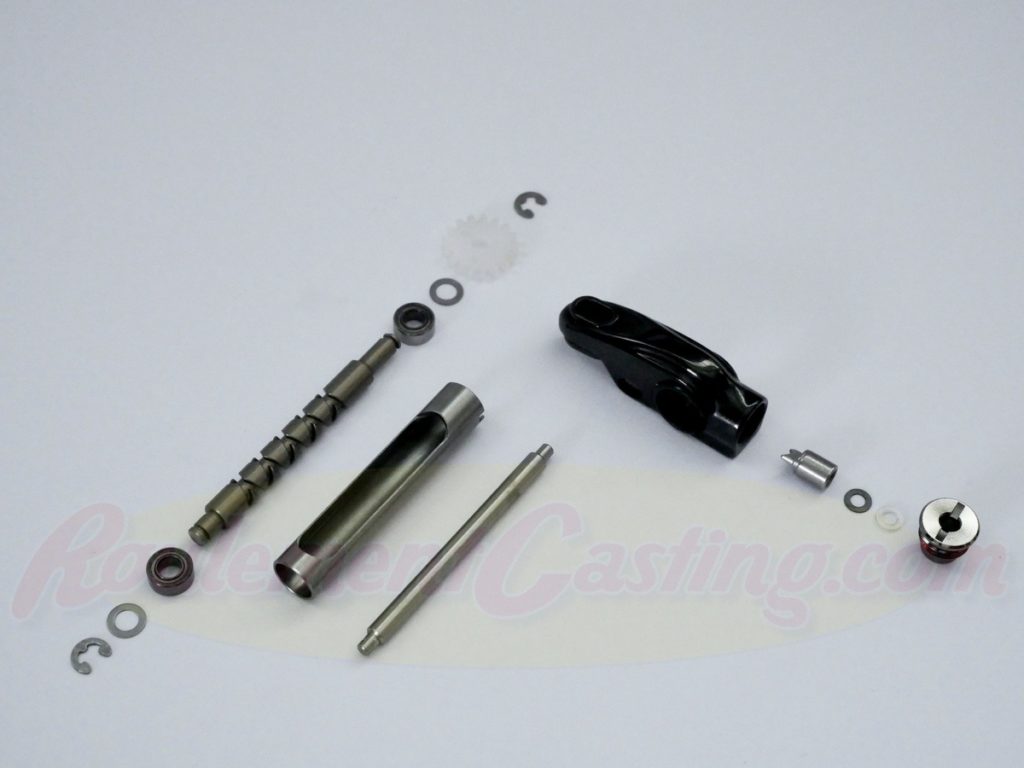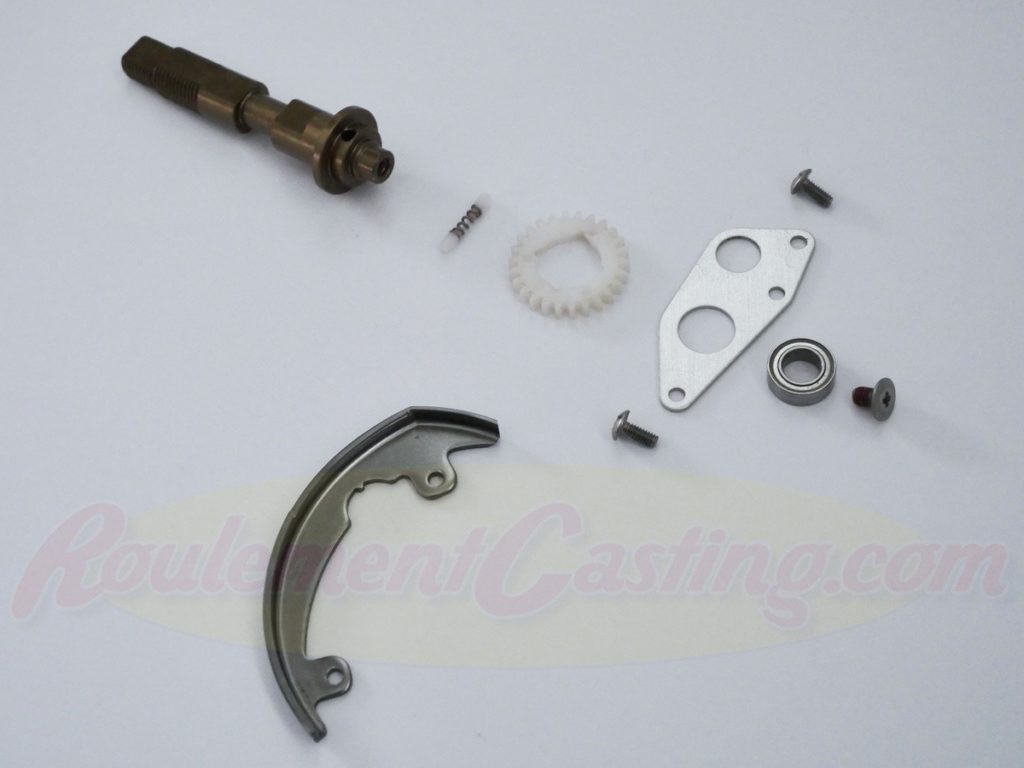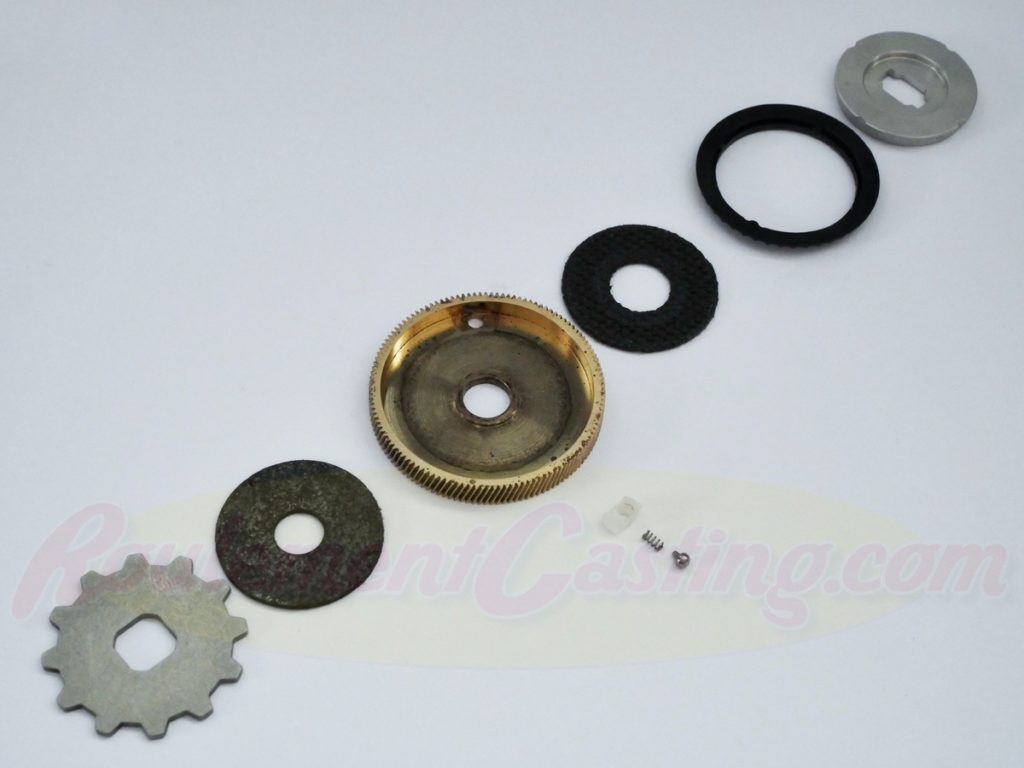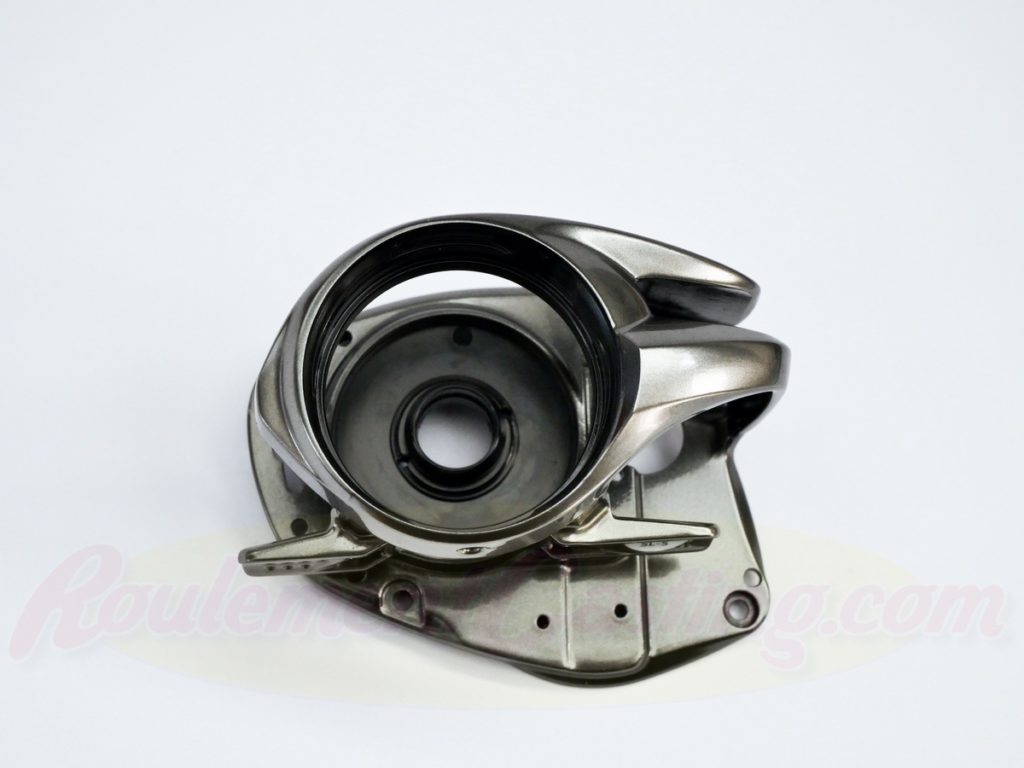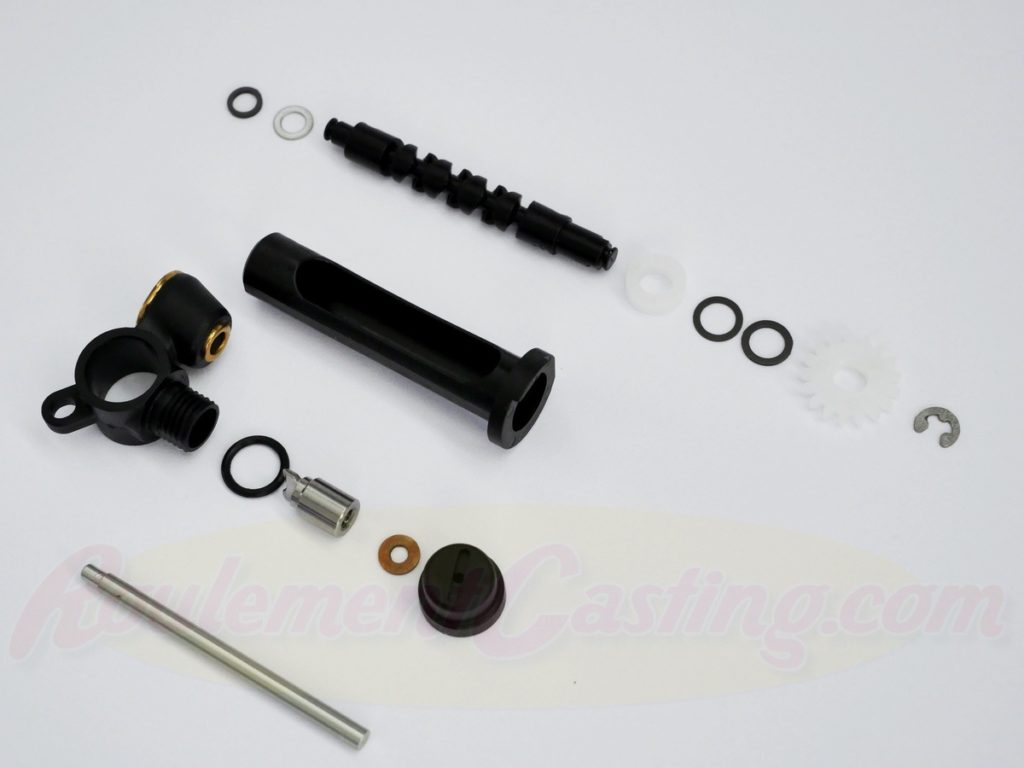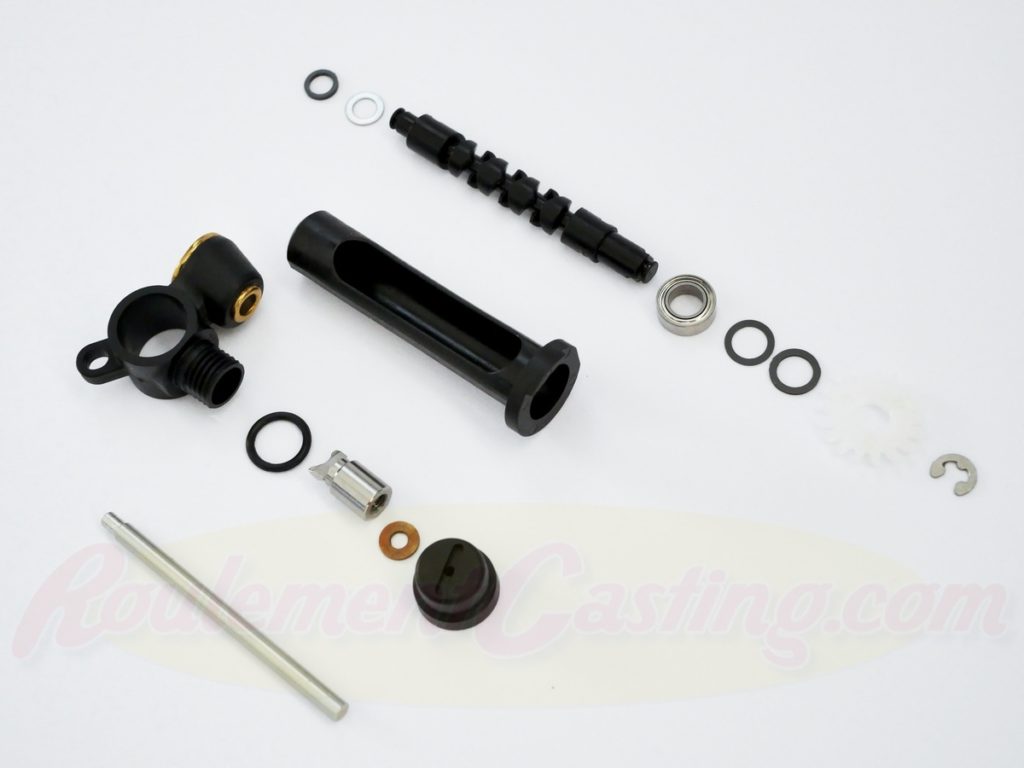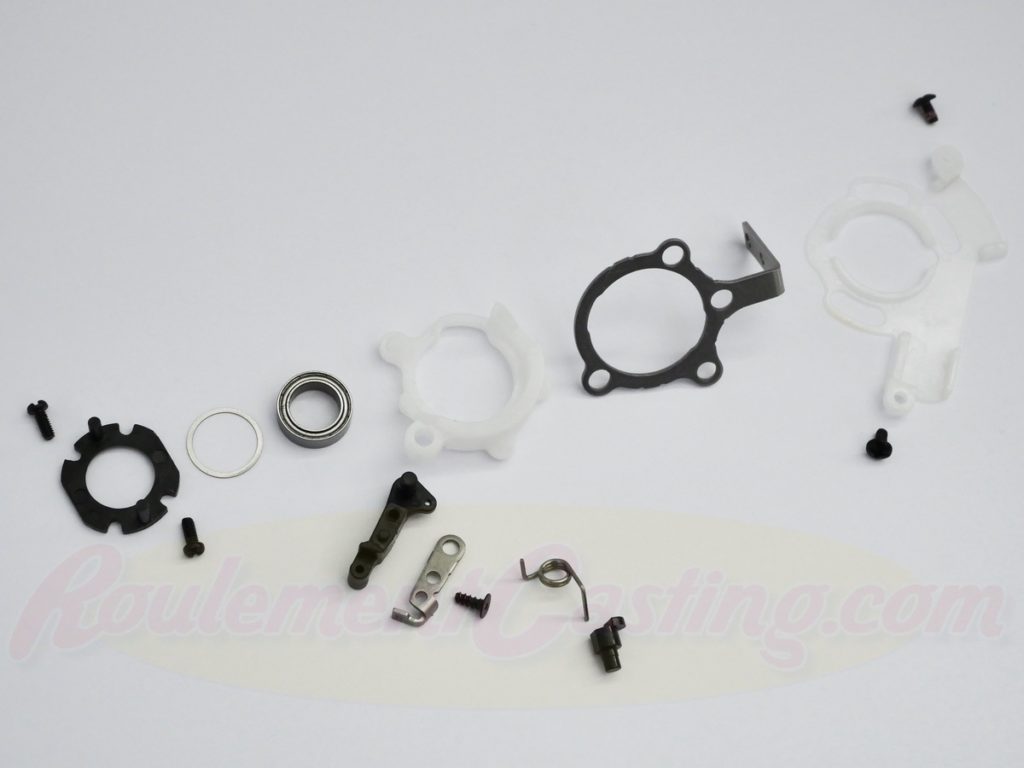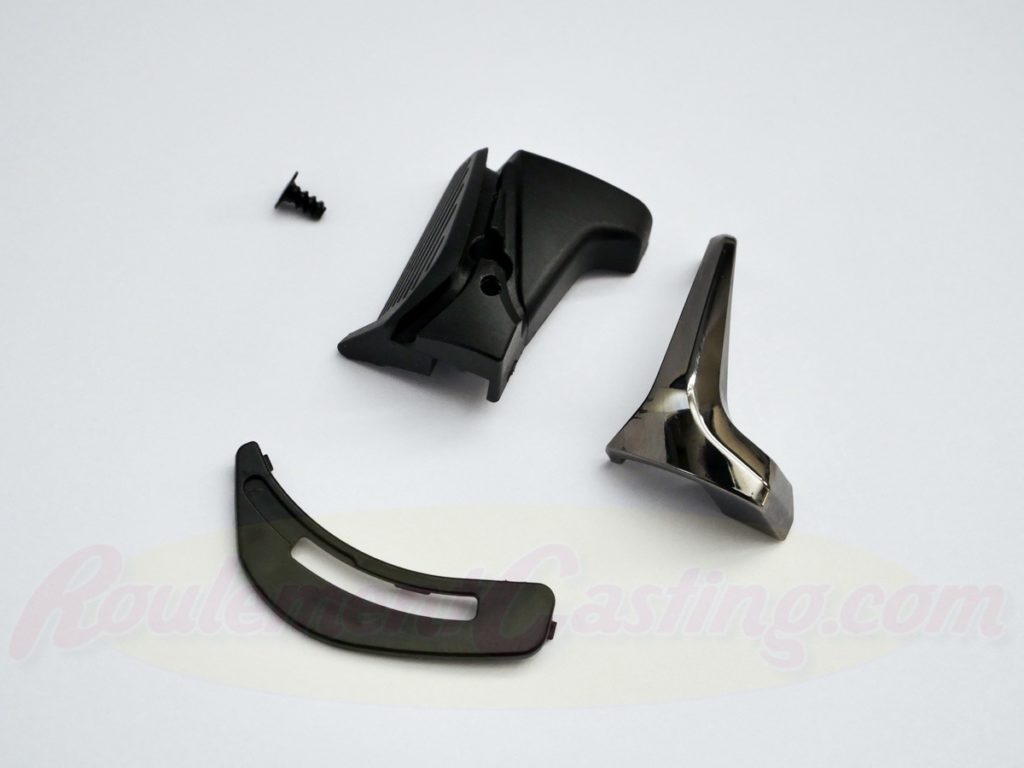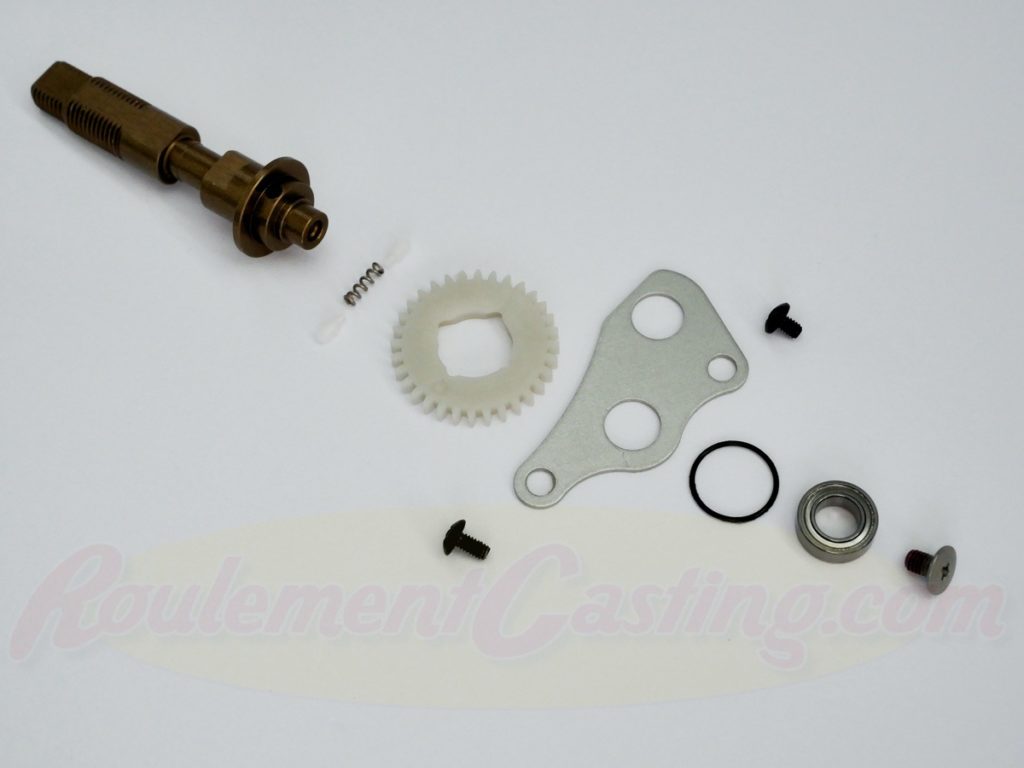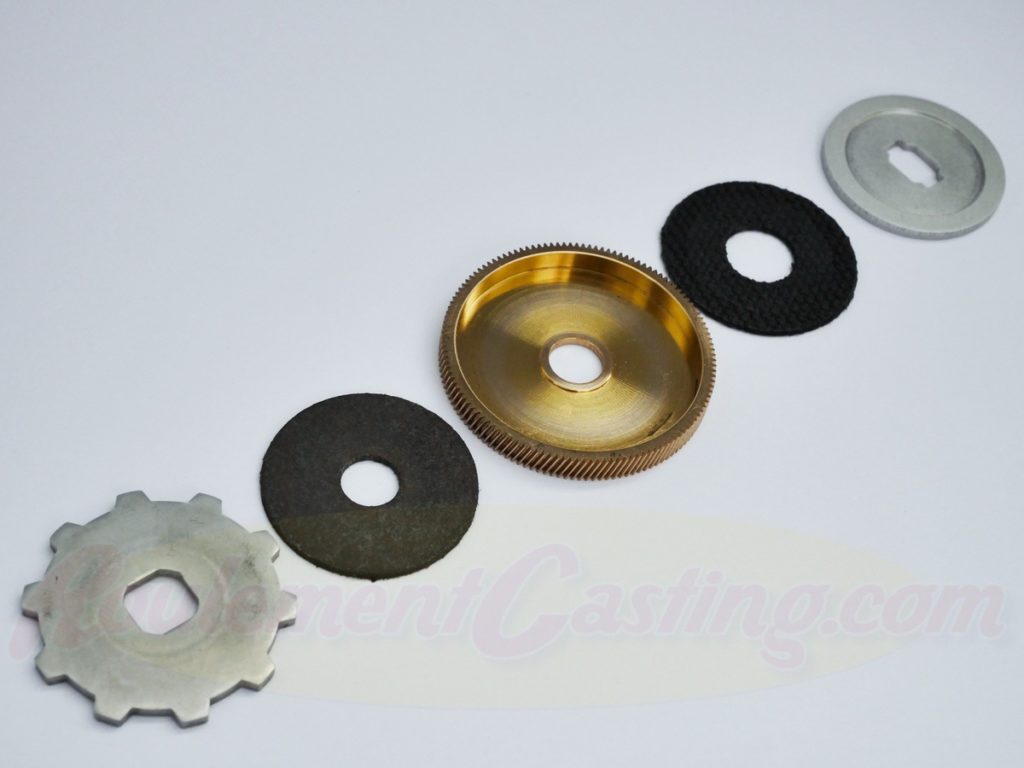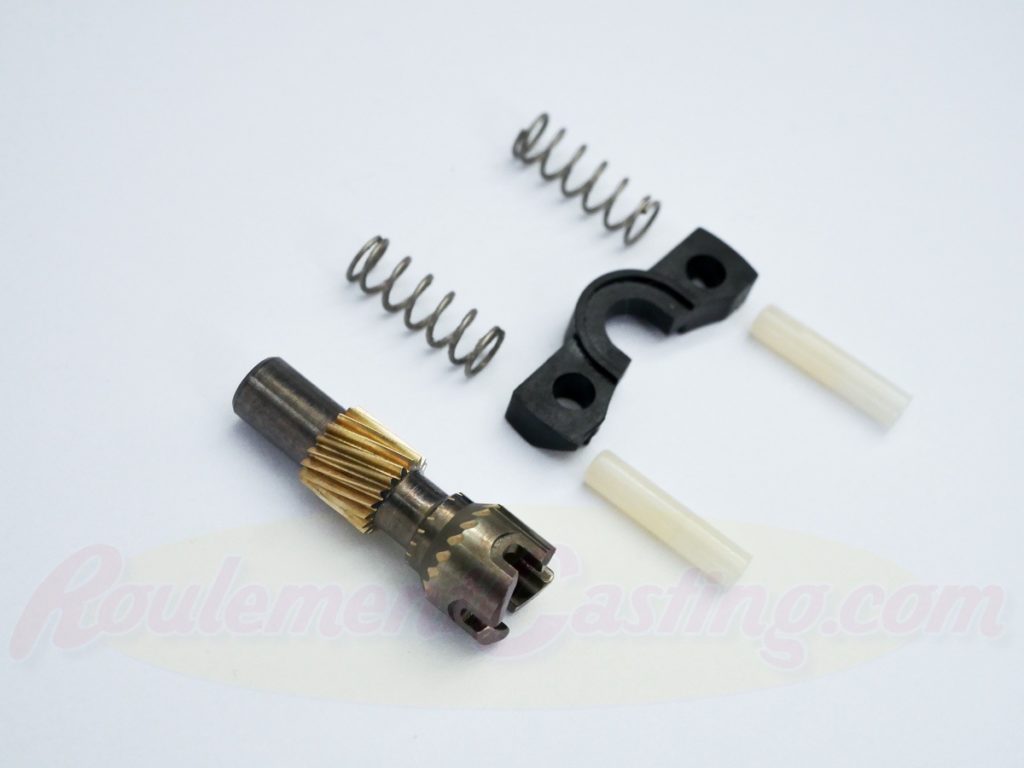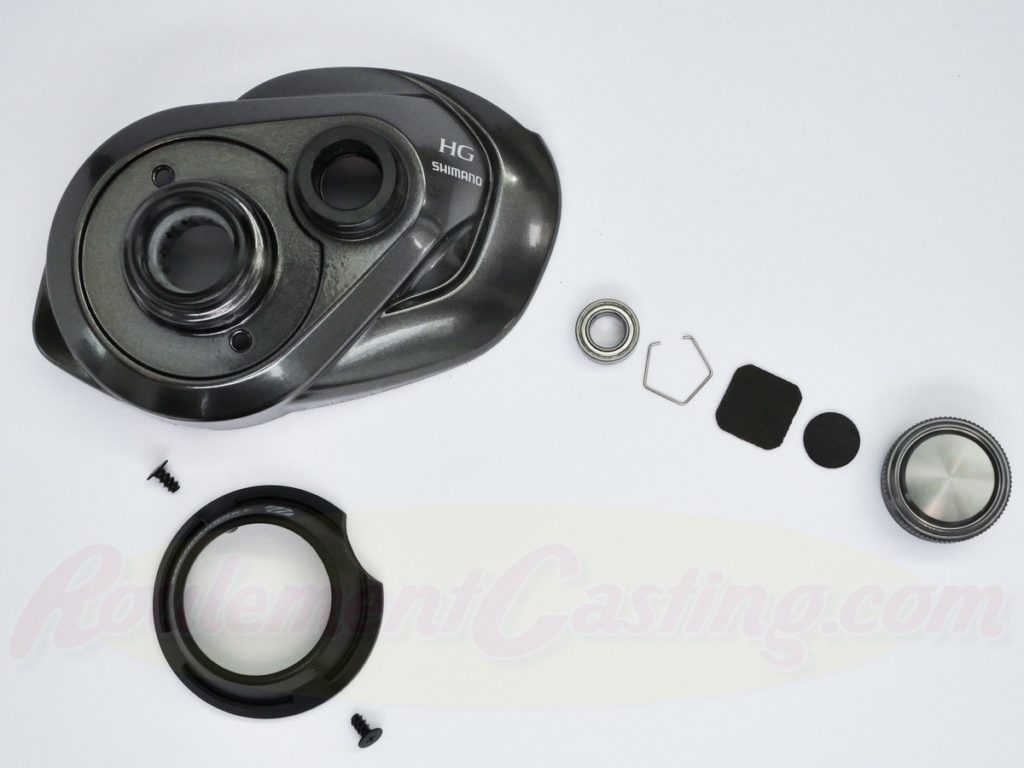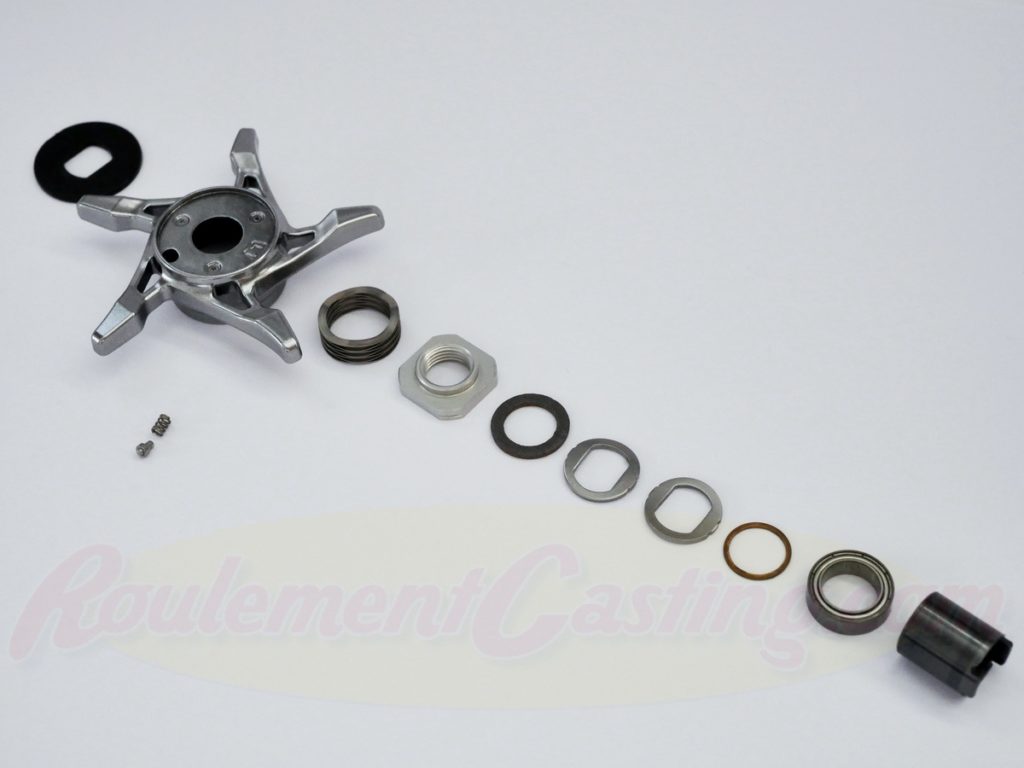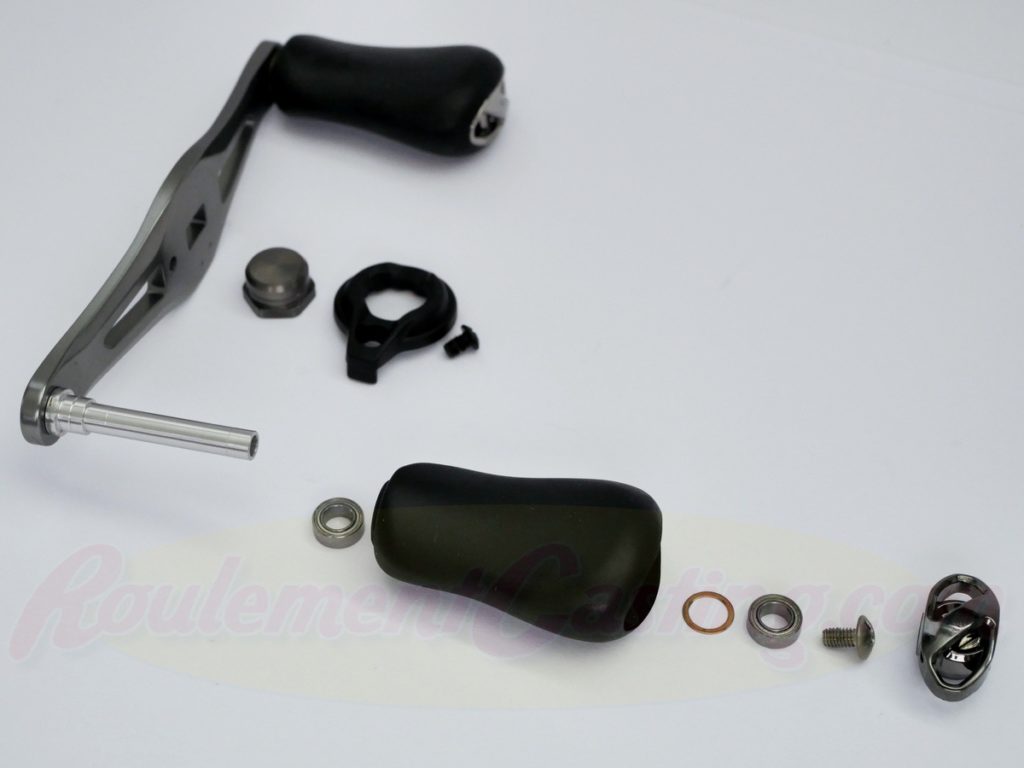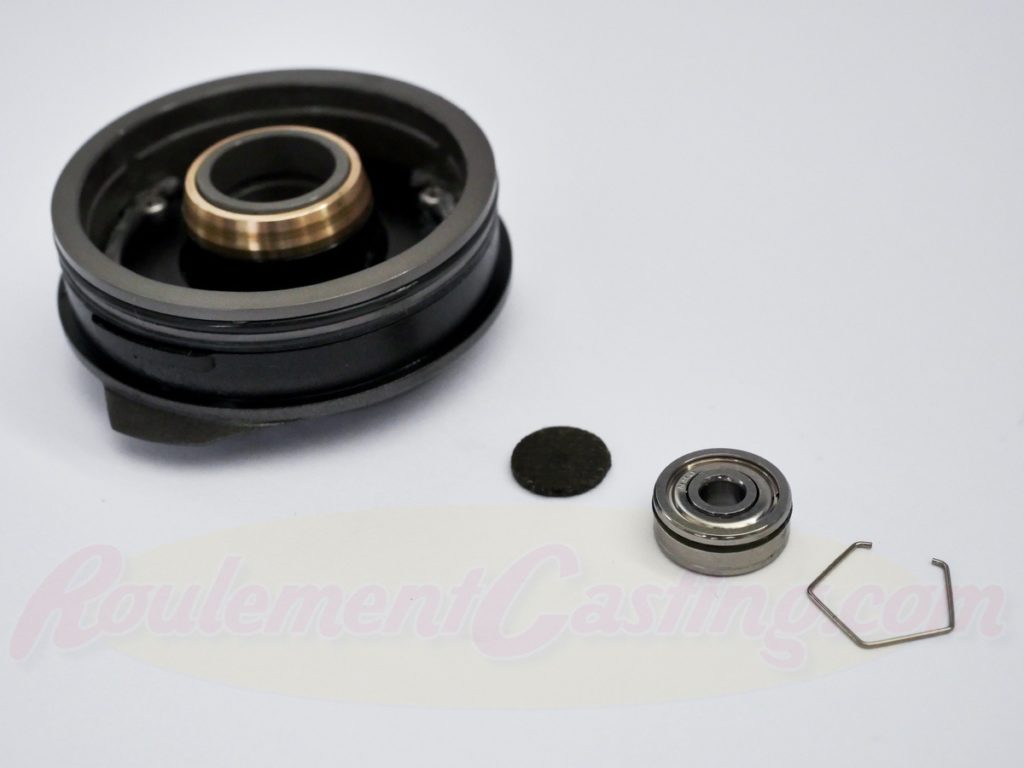
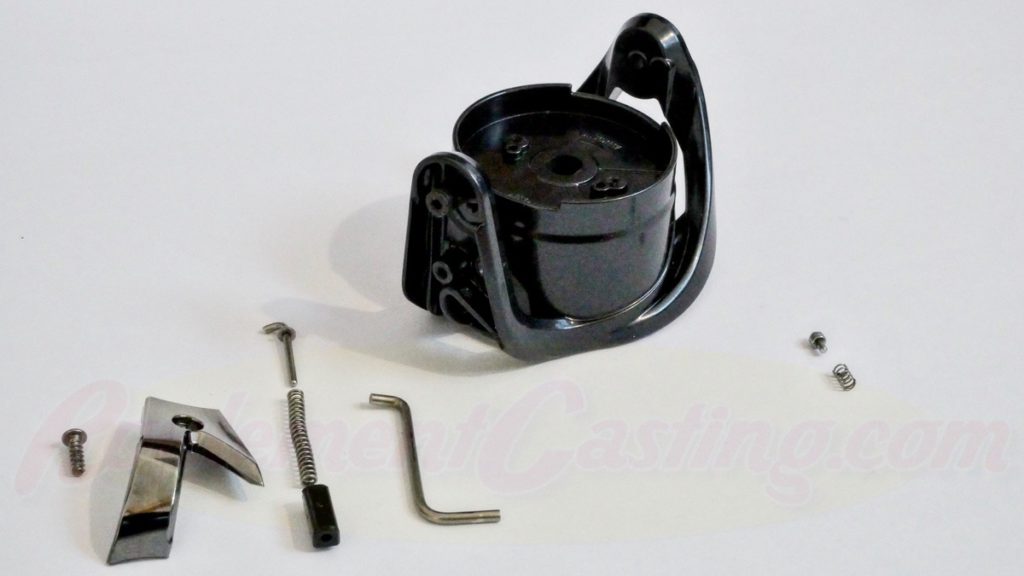
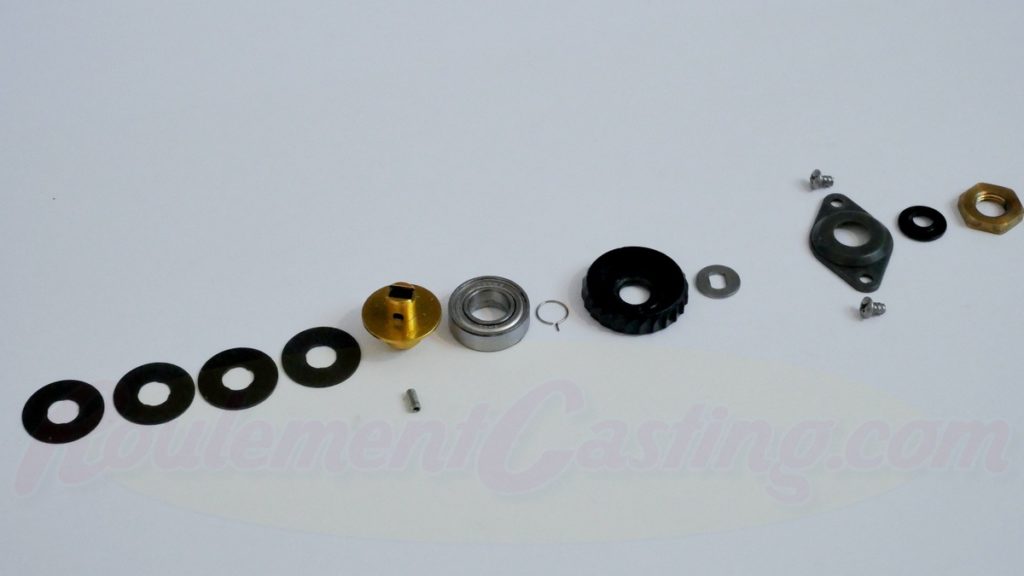
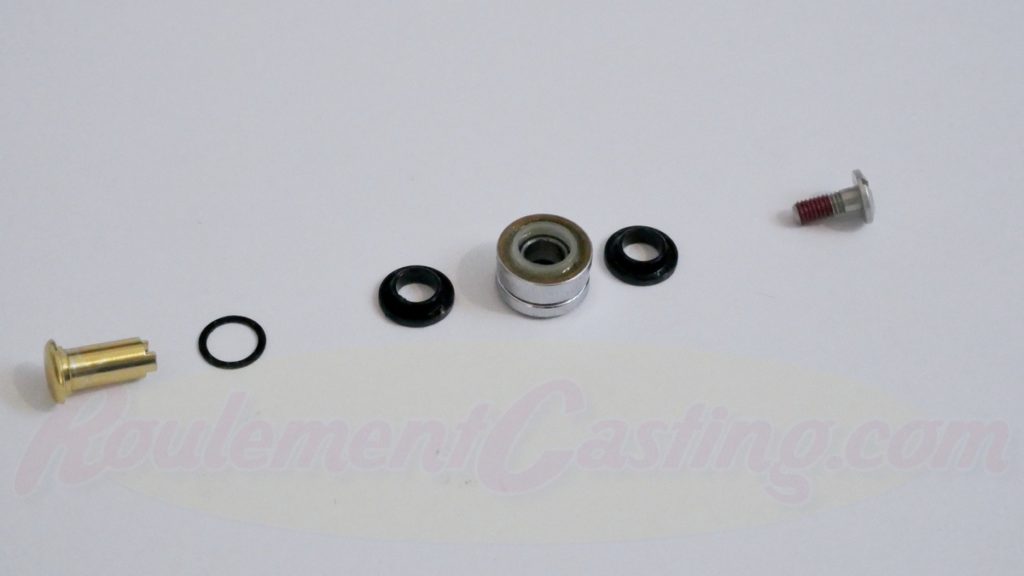
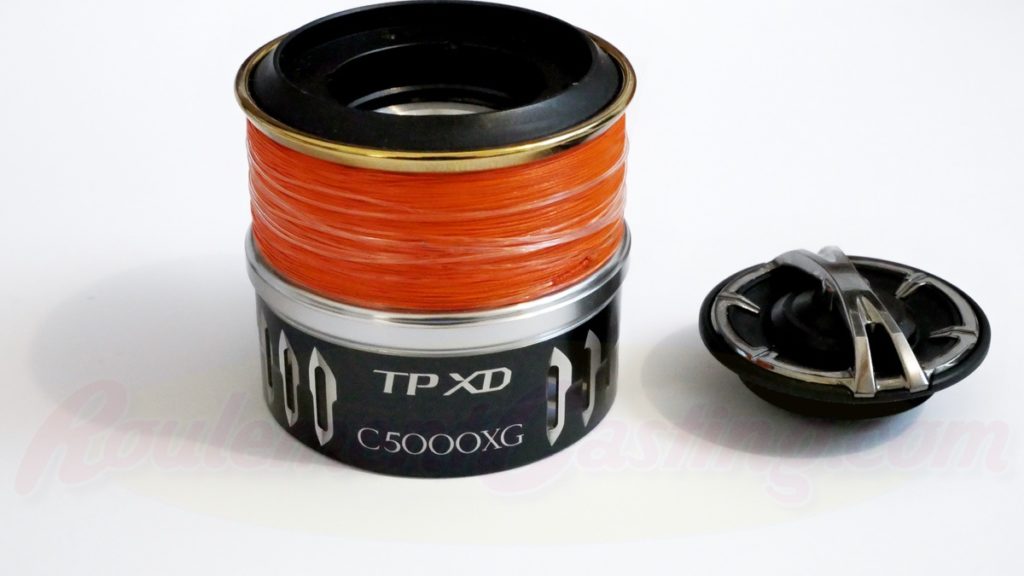
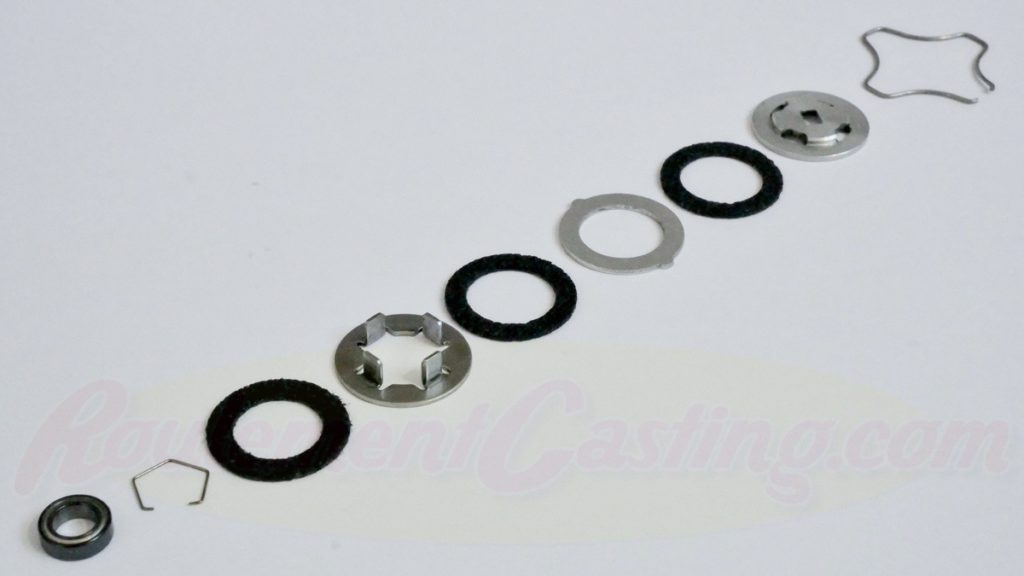

Find the parts available for your Shimano 21 ANTARES DC on the page dedicated to your model:
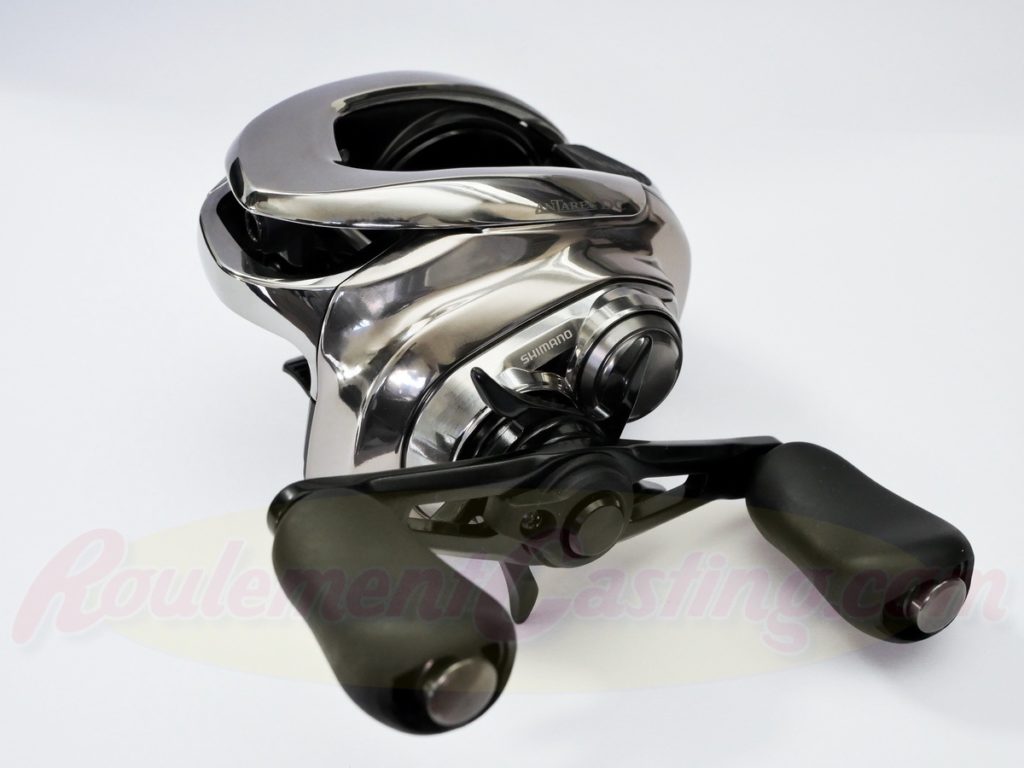

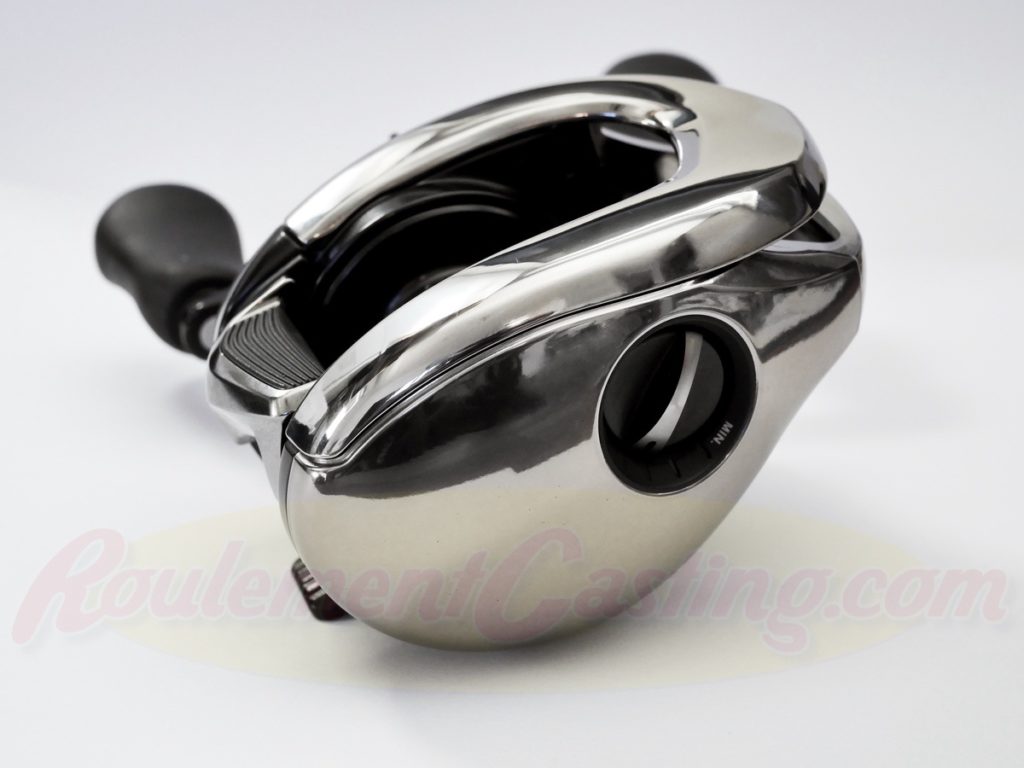
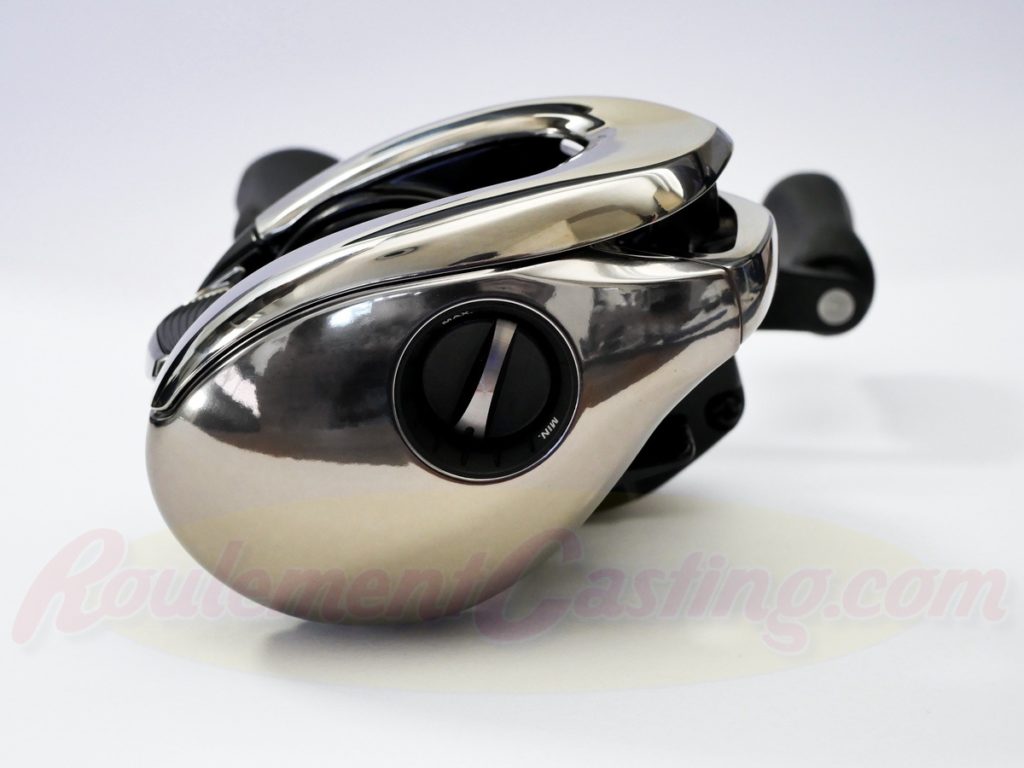









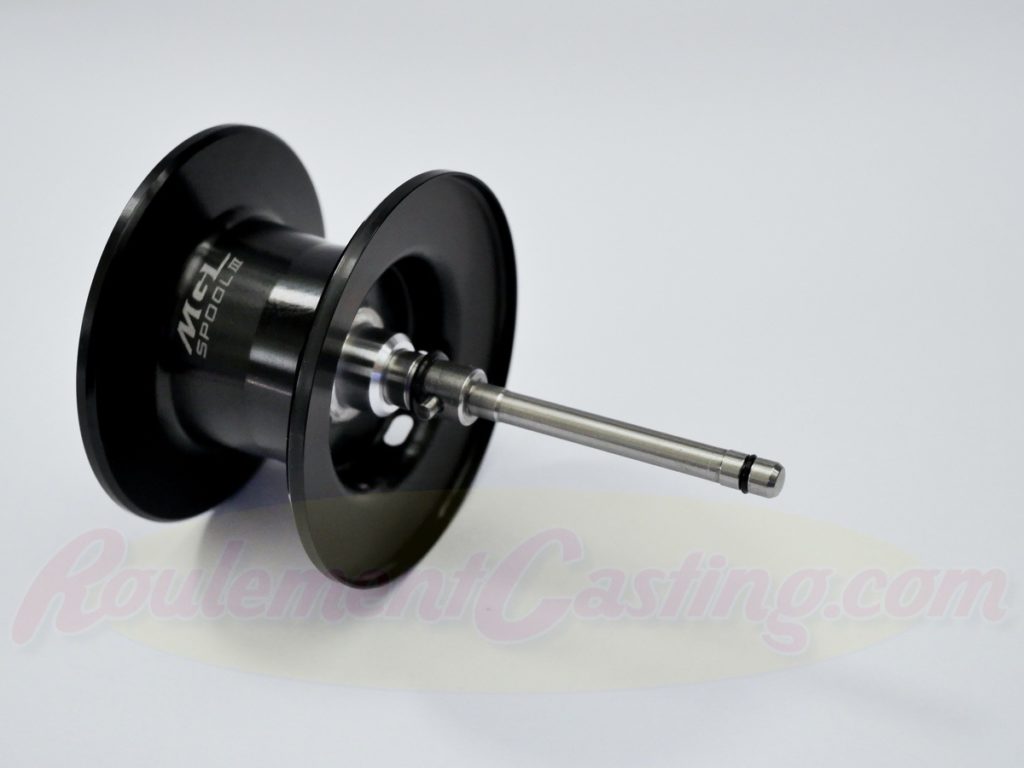

You can find our selection of parts for your Shimano CURADO K 201 on the following page:
Shimano CURADO K 201 Upgrade
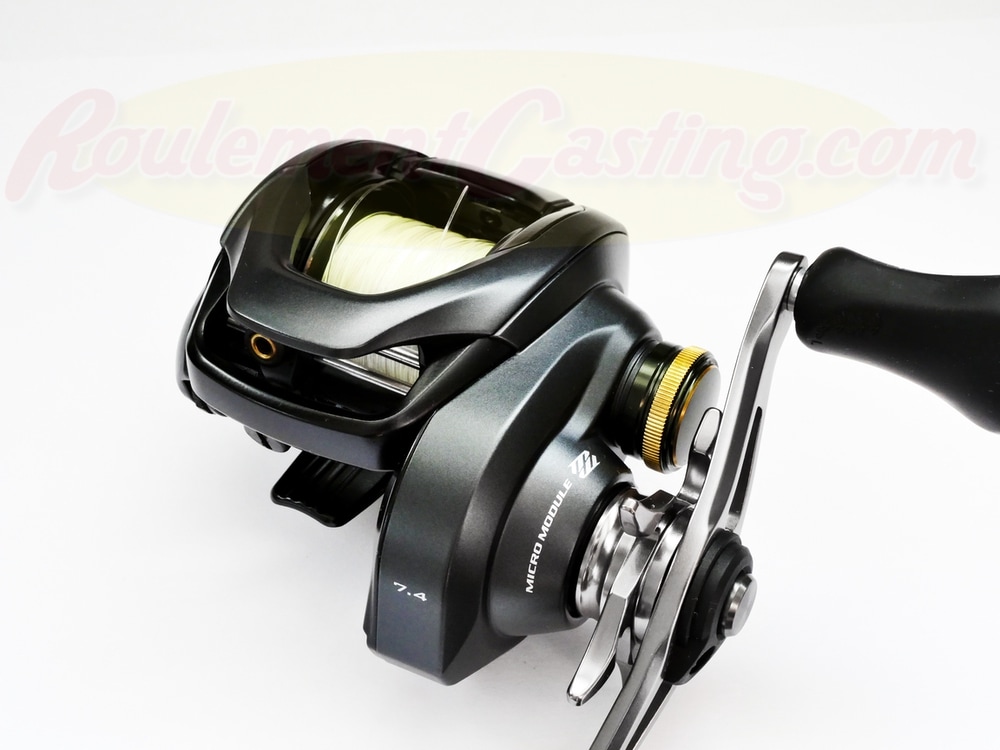
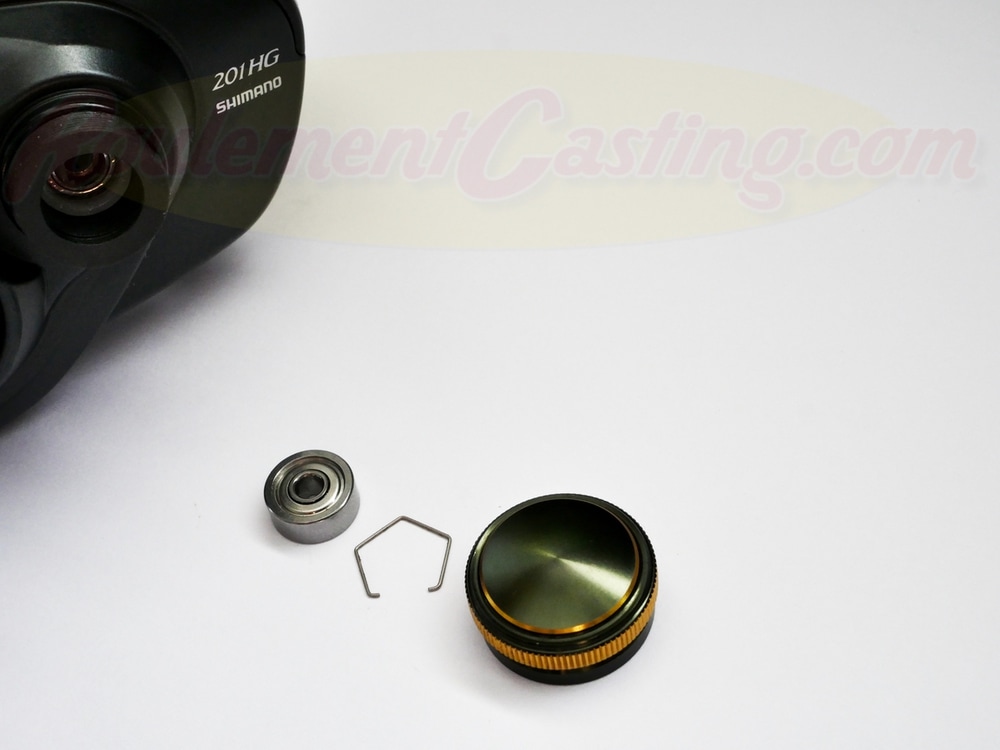
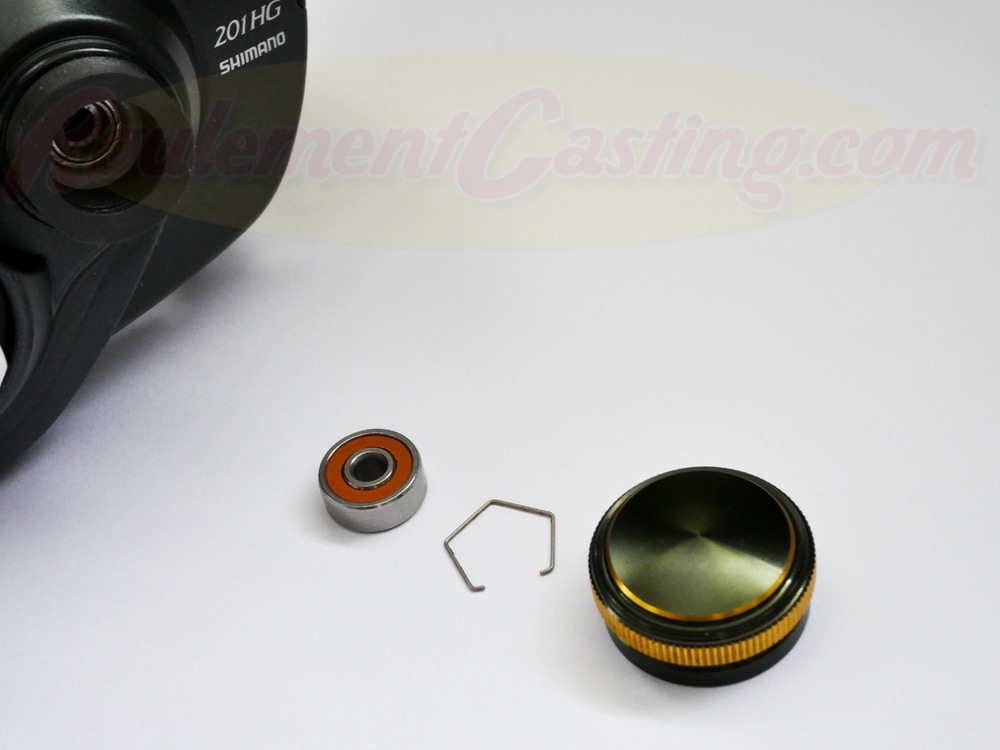
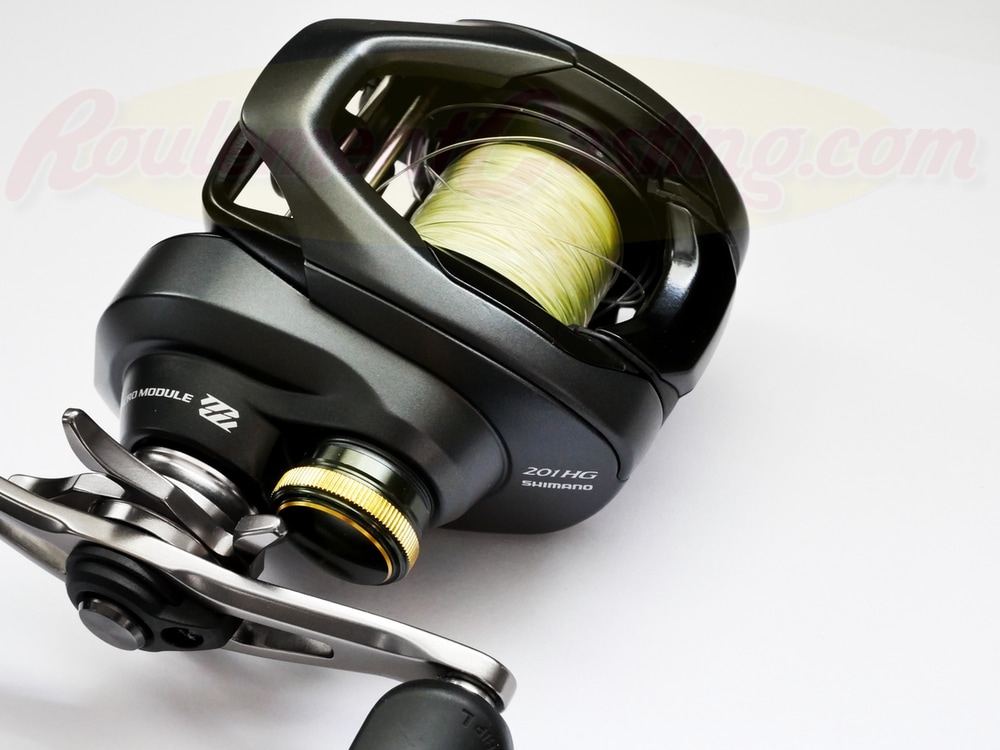
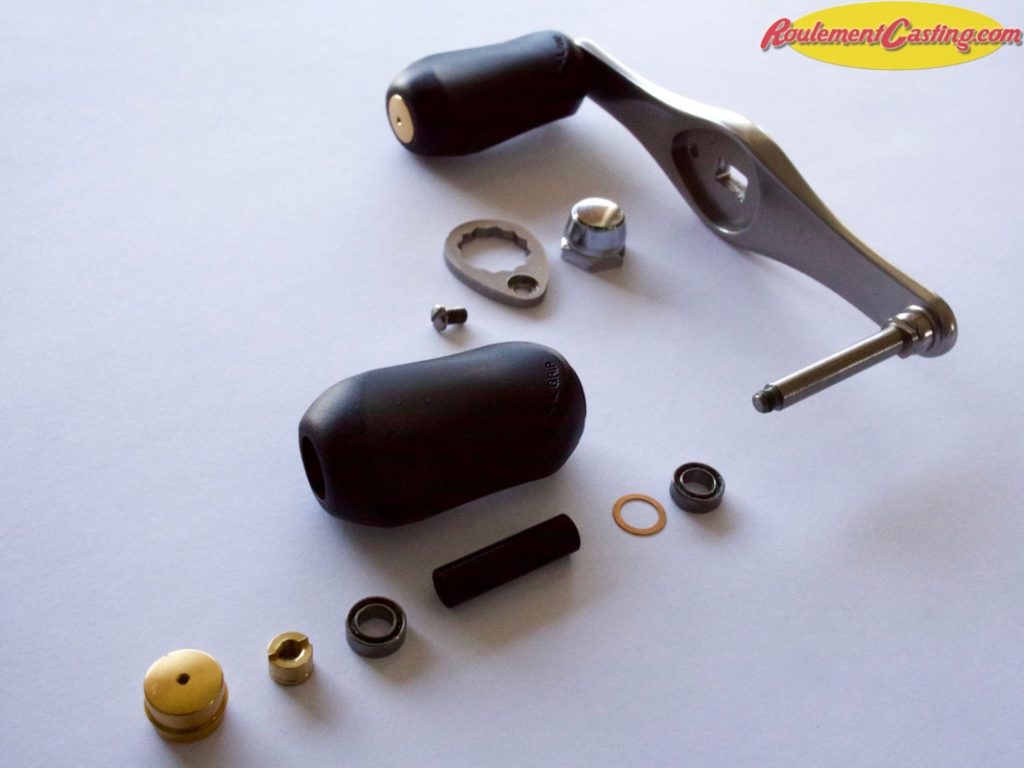
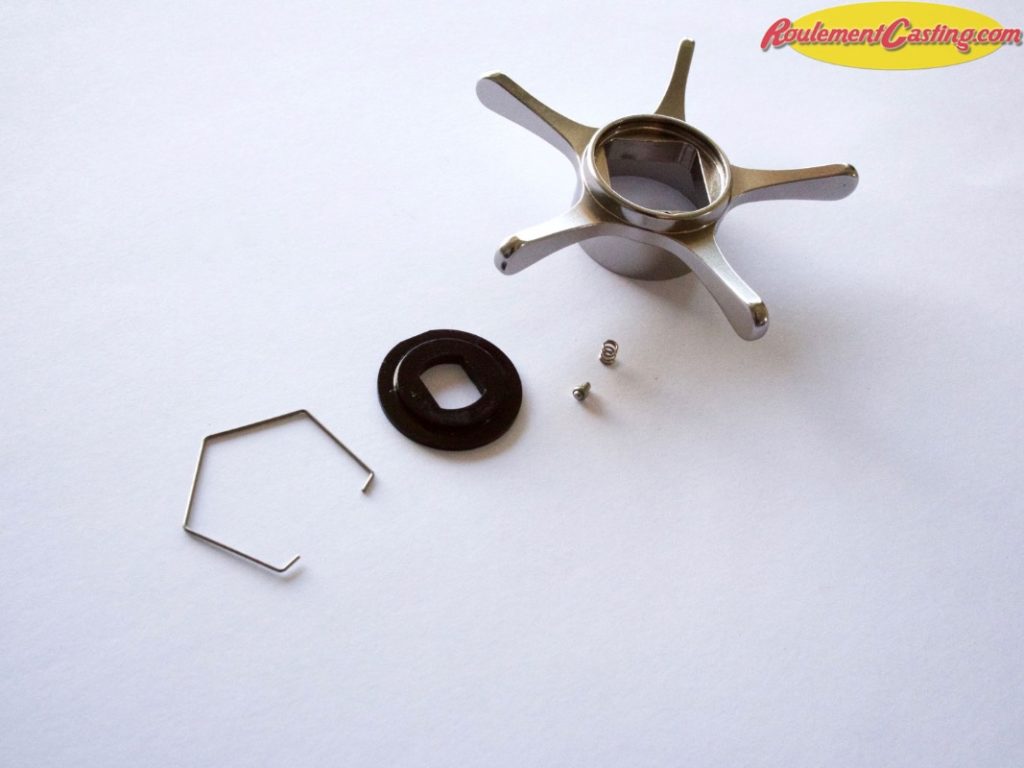


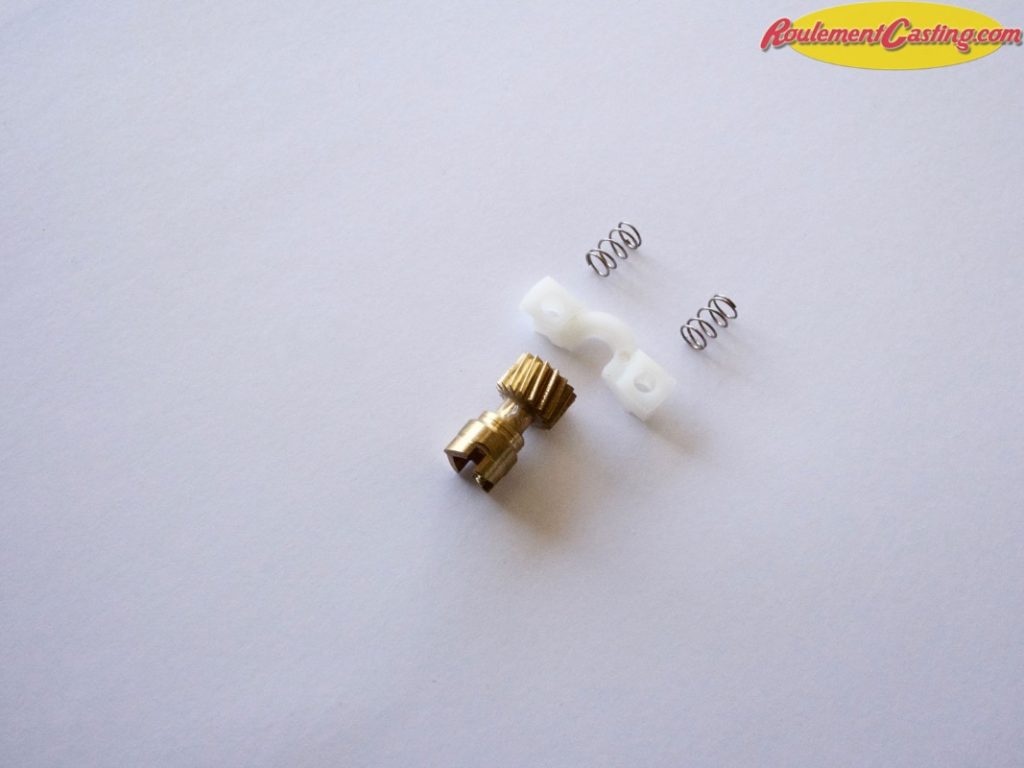
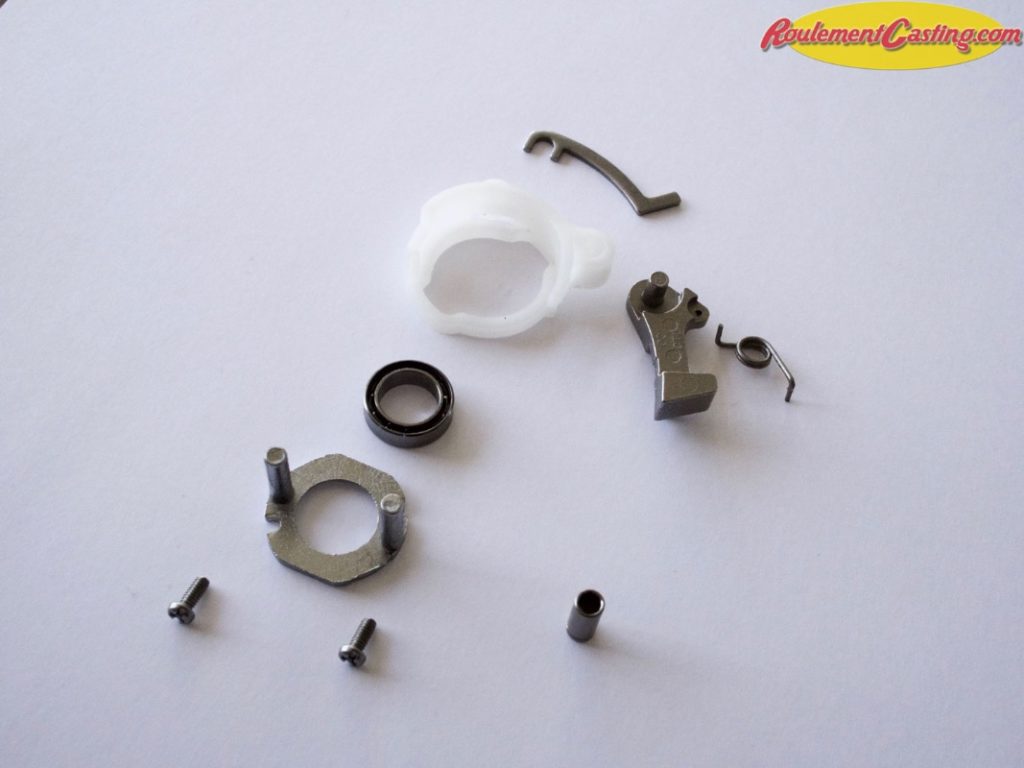

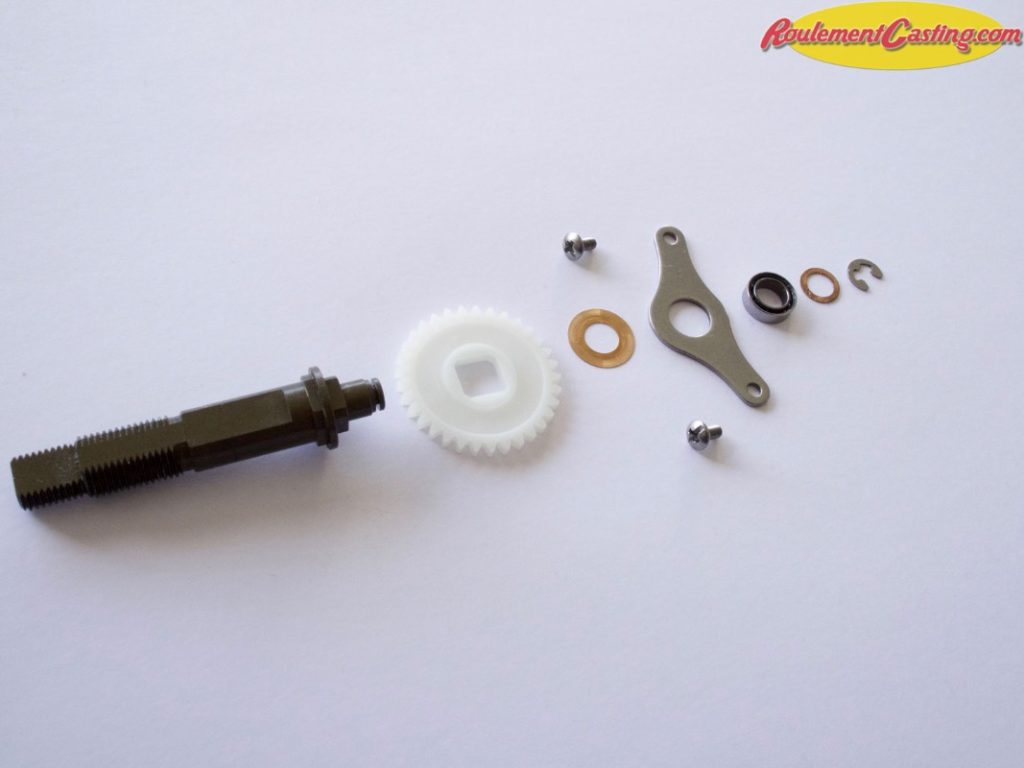
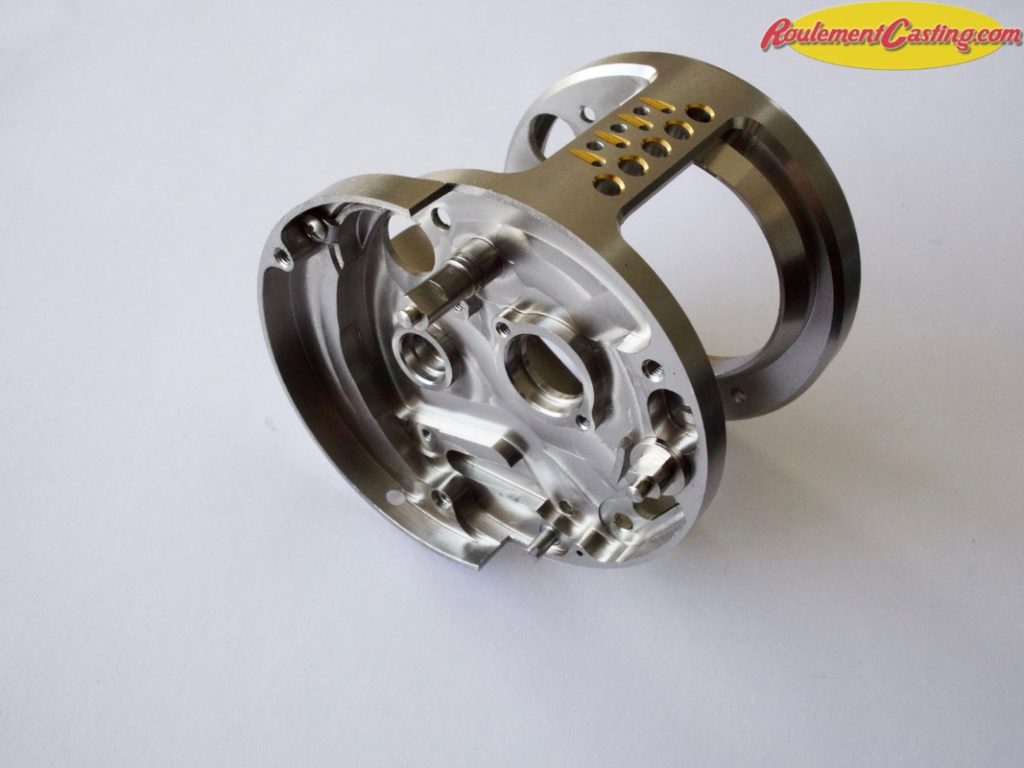
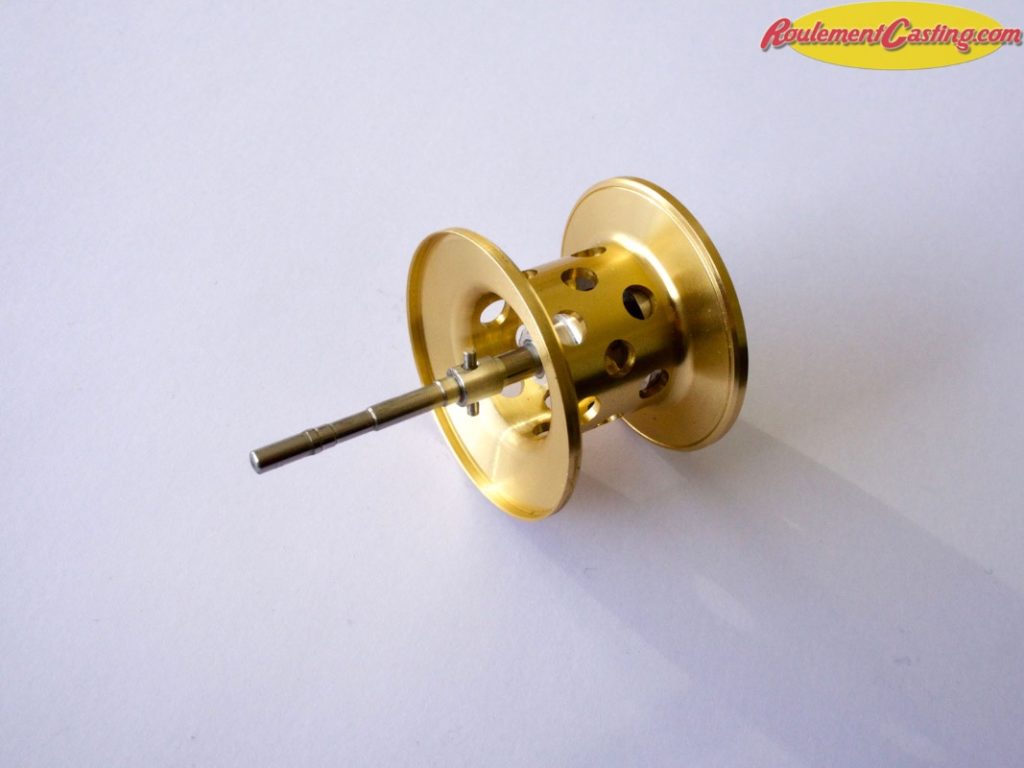


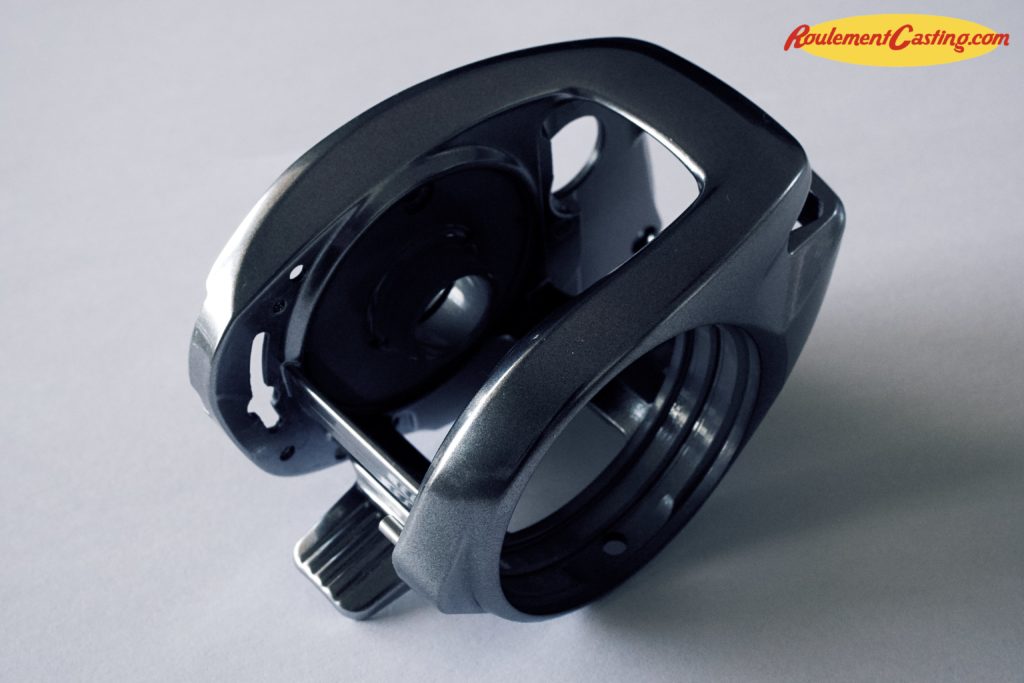
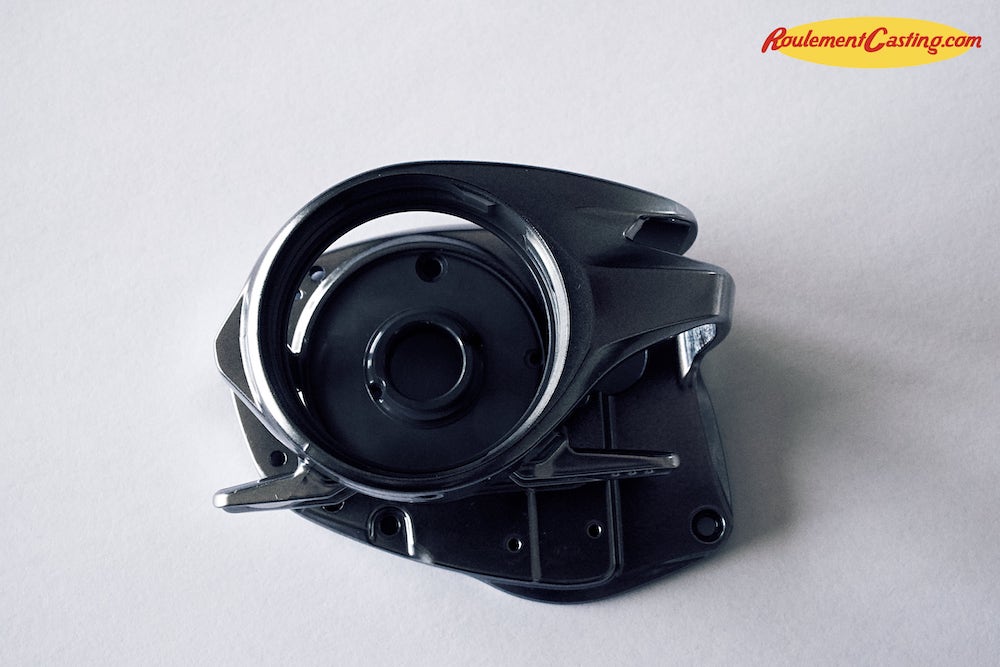
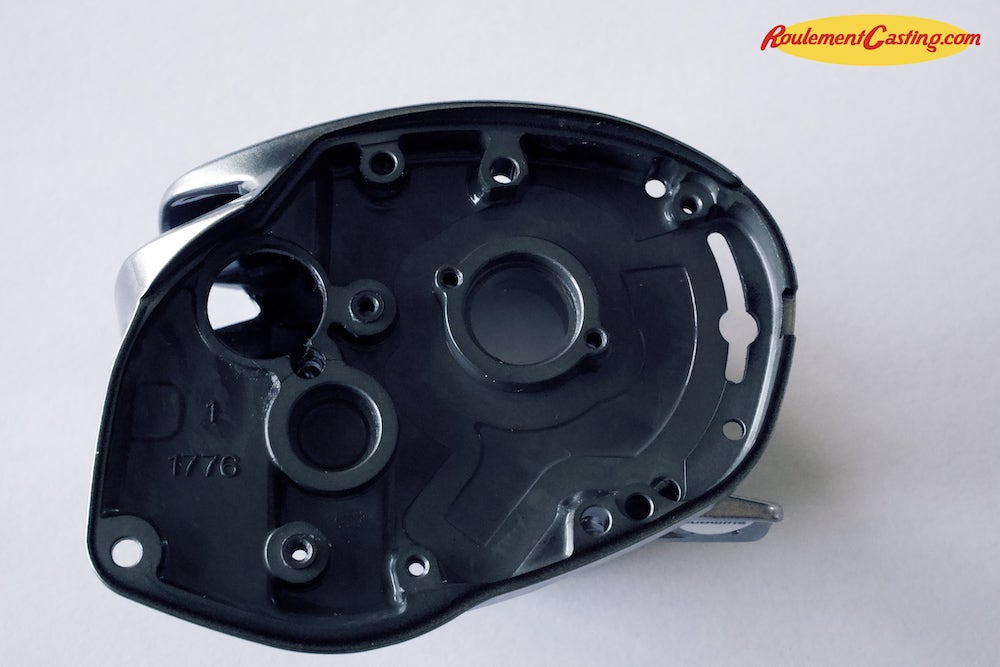
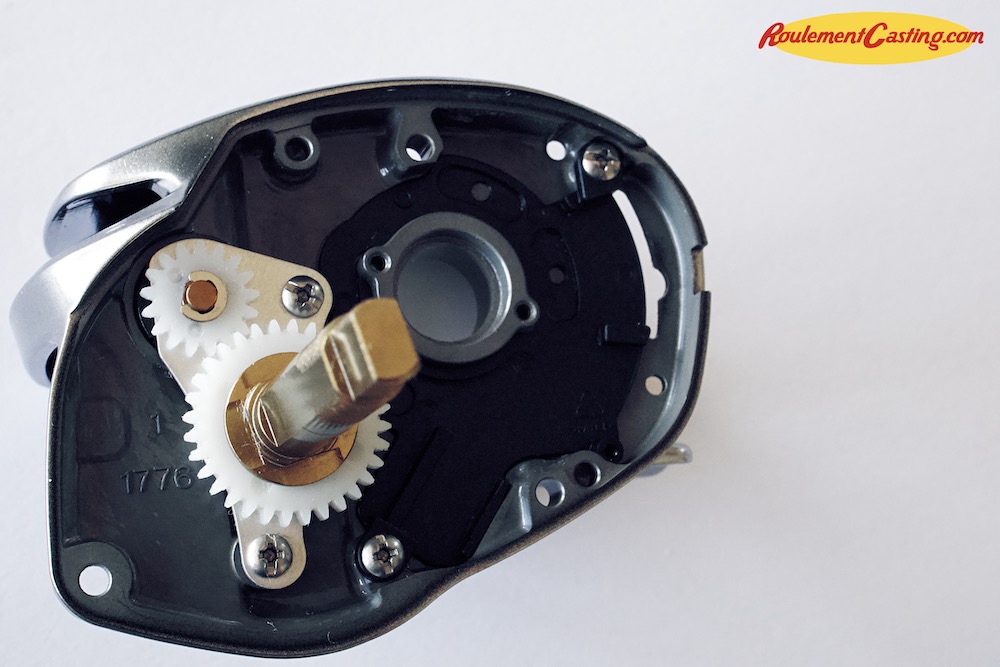

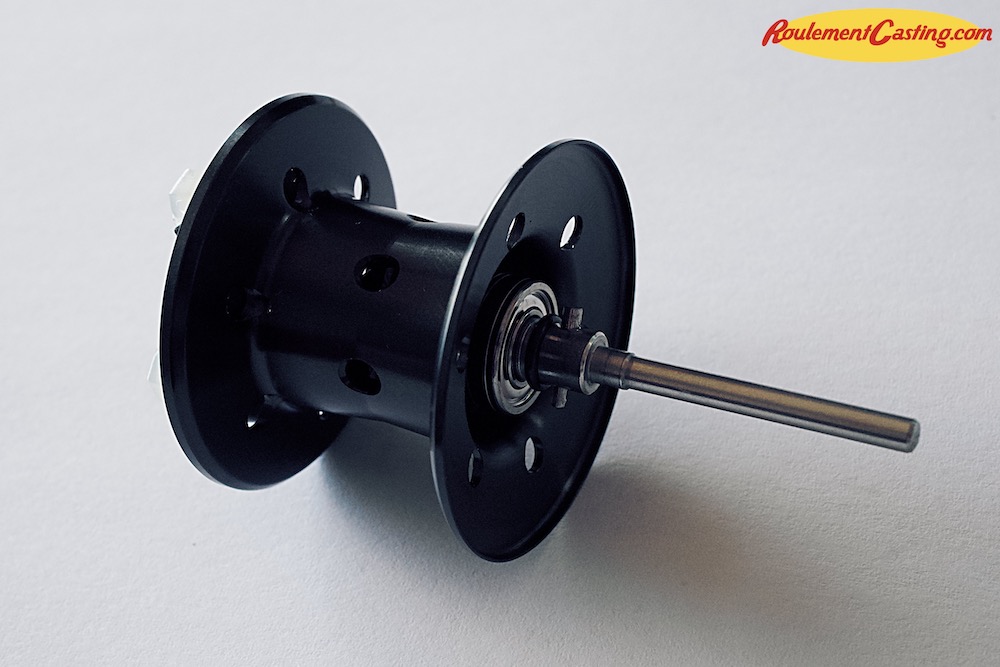
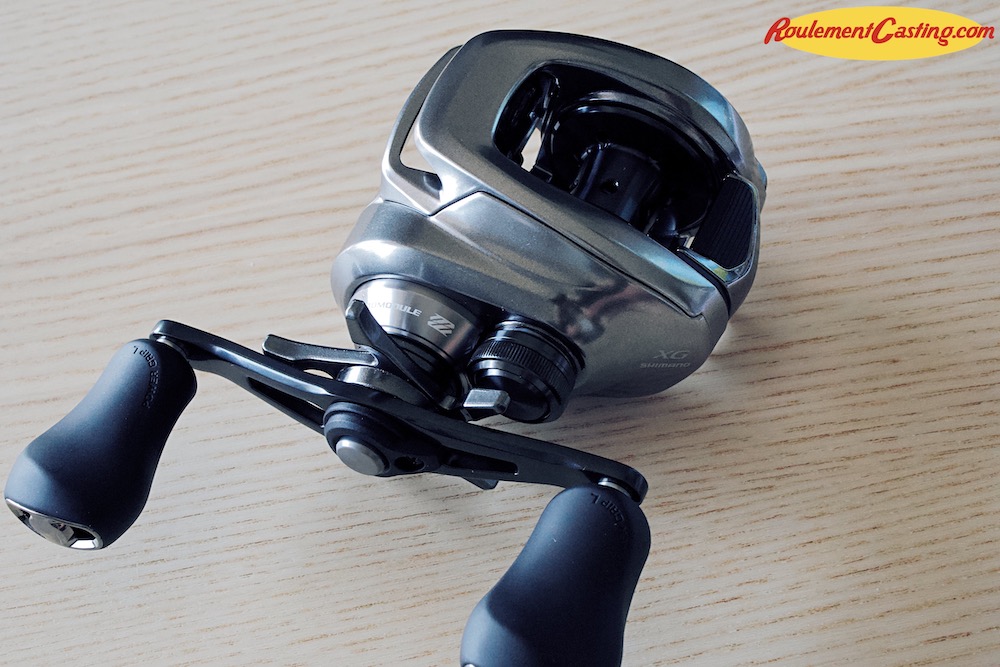
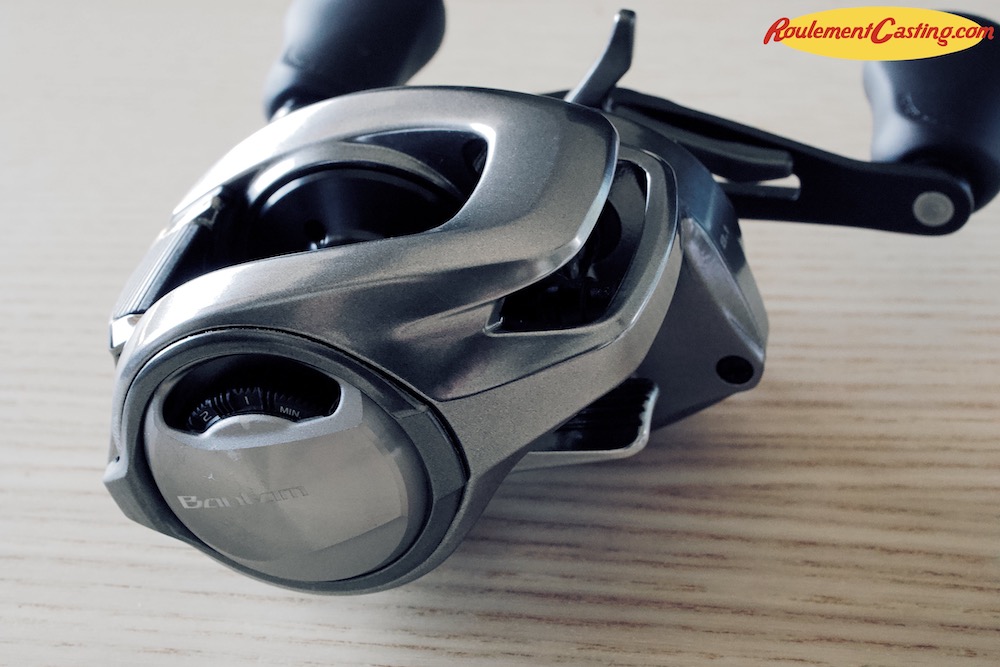
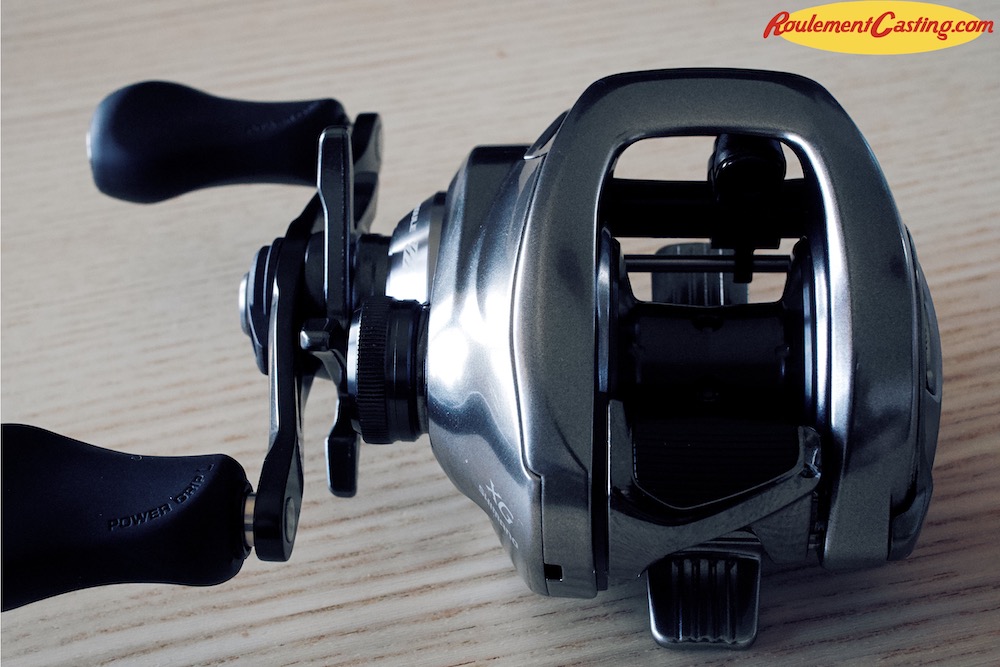
You can find our selection of parts for your Shimano 04 Calcutta 201 DC on the following page:
Shimano 04 Calcutta 201 DC Upgrade
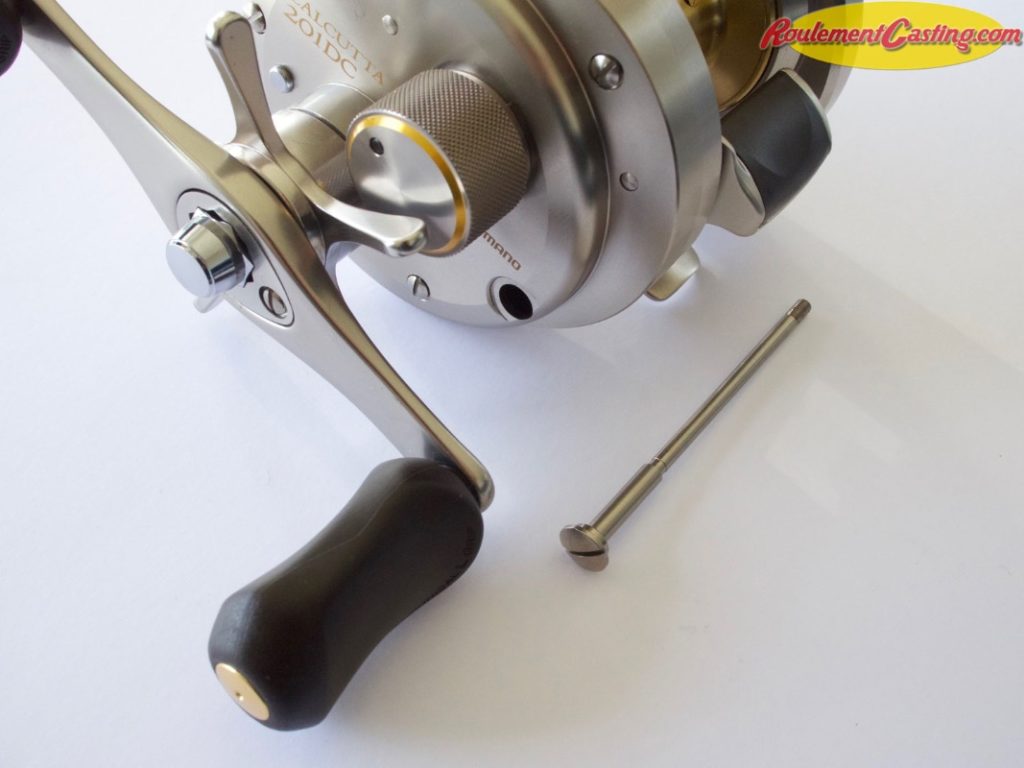


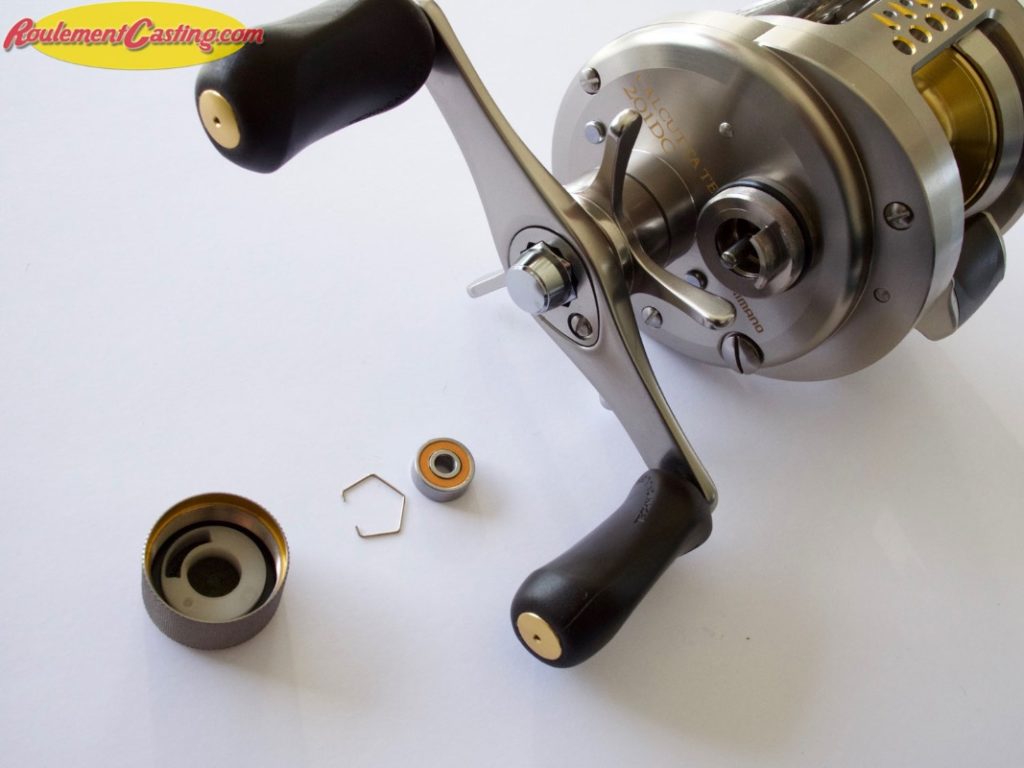
You can find our selection of parts for your Shimano 04 Calcutta 201 DC on the following page:
Shimano 04 Calcutta 201 DC Upgrade
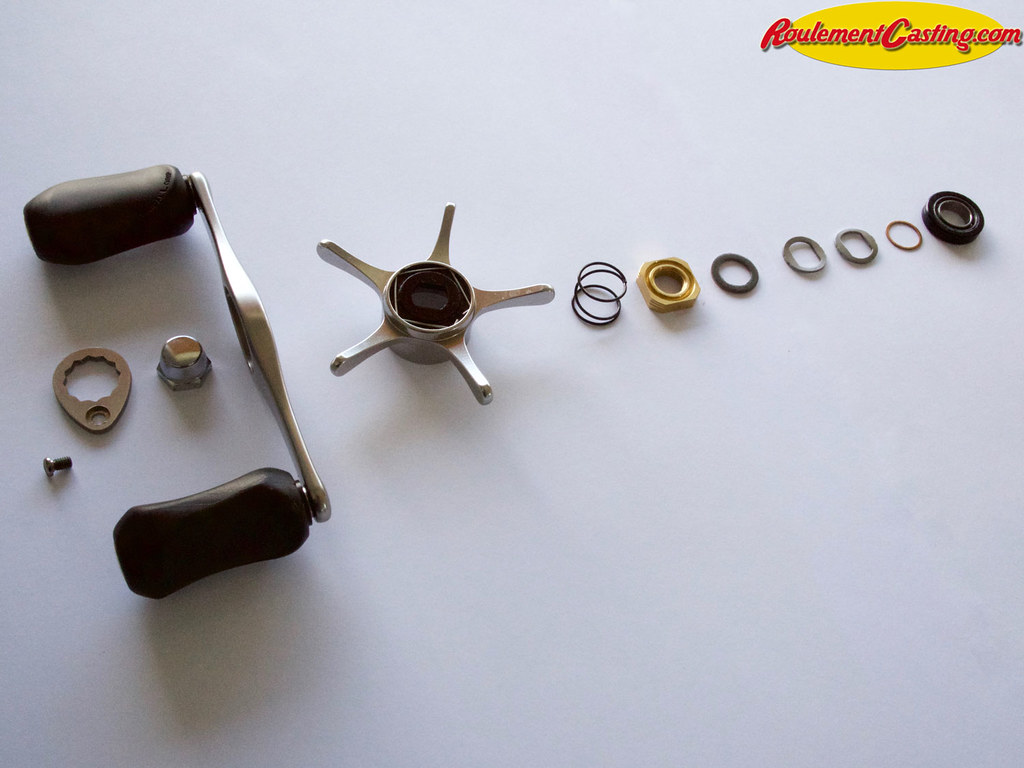
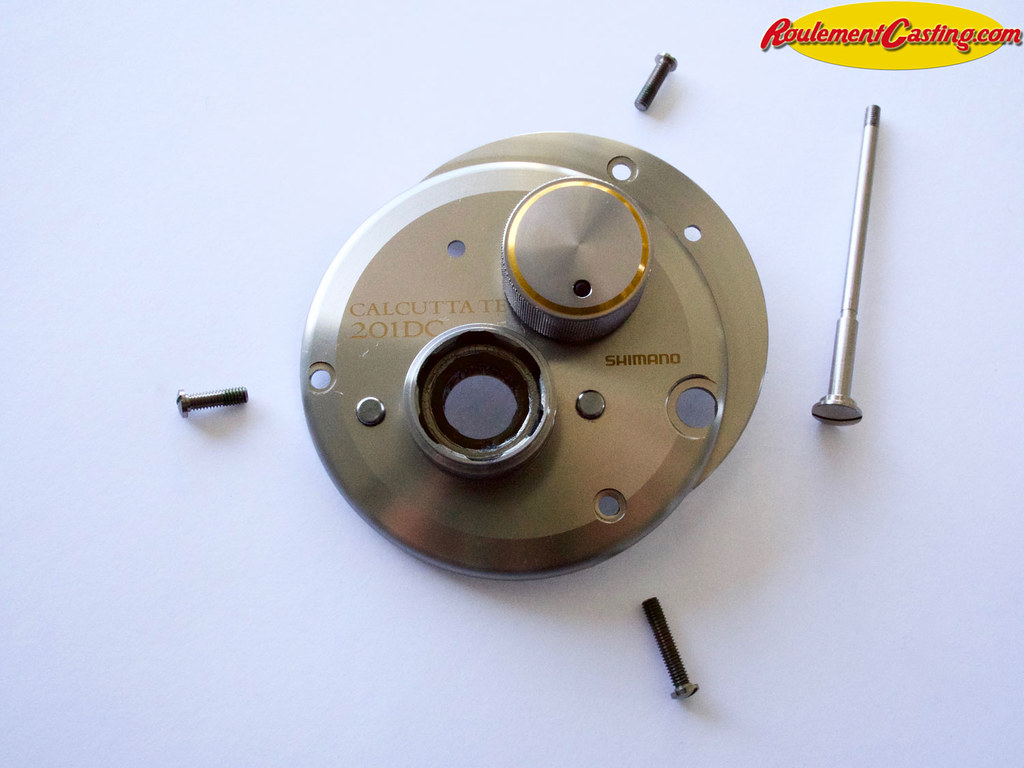
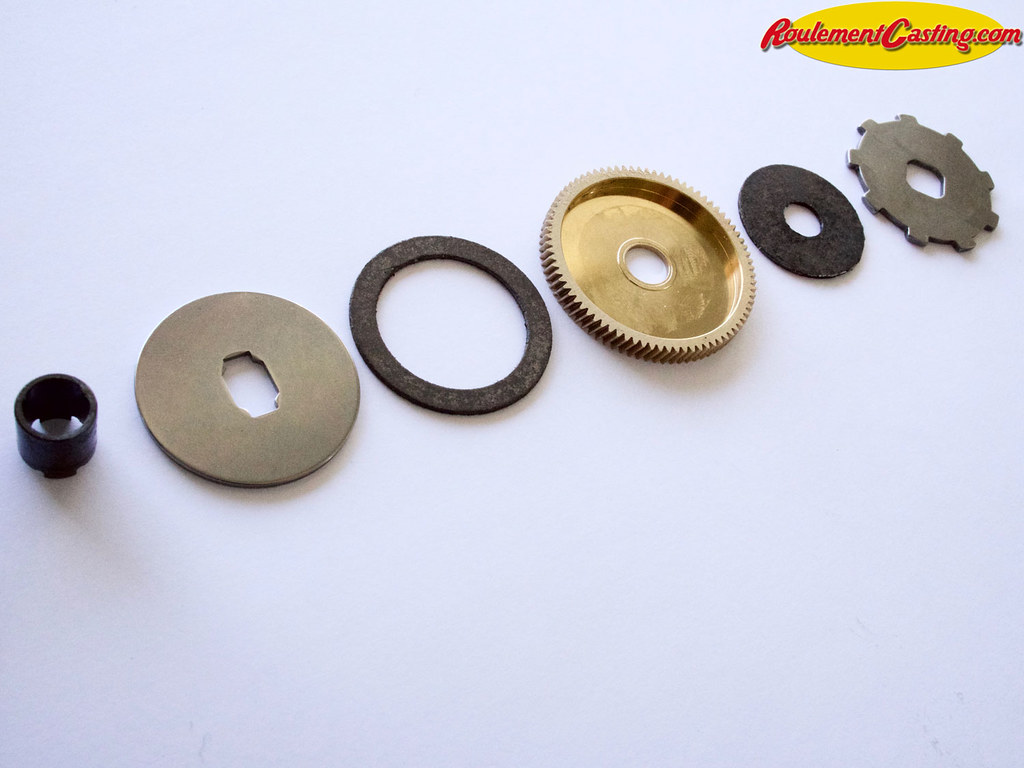
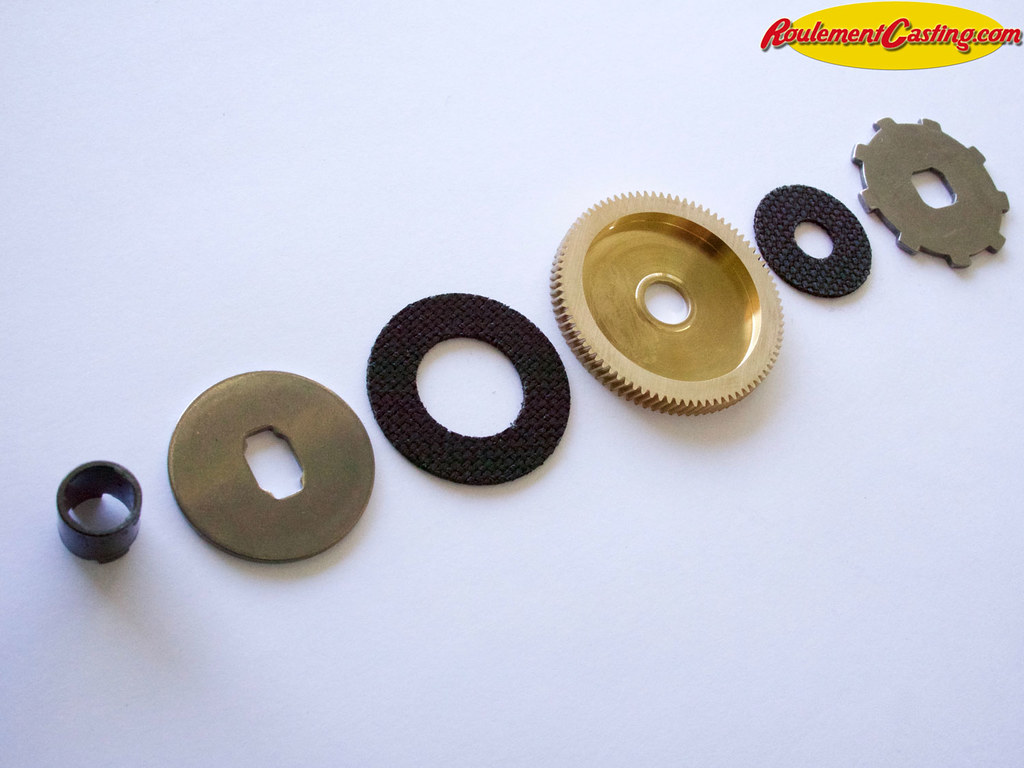
You can find our selection of parts for your Shimano BRENIOUS on the following page:
Shimano BRENIOUS upgrade

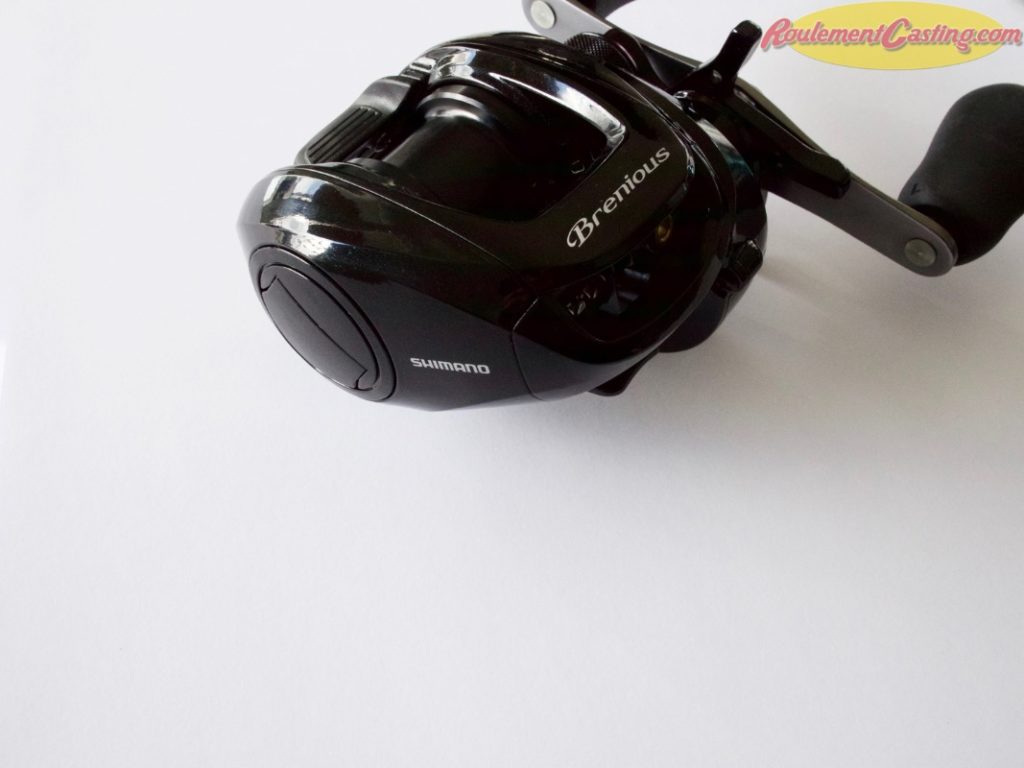
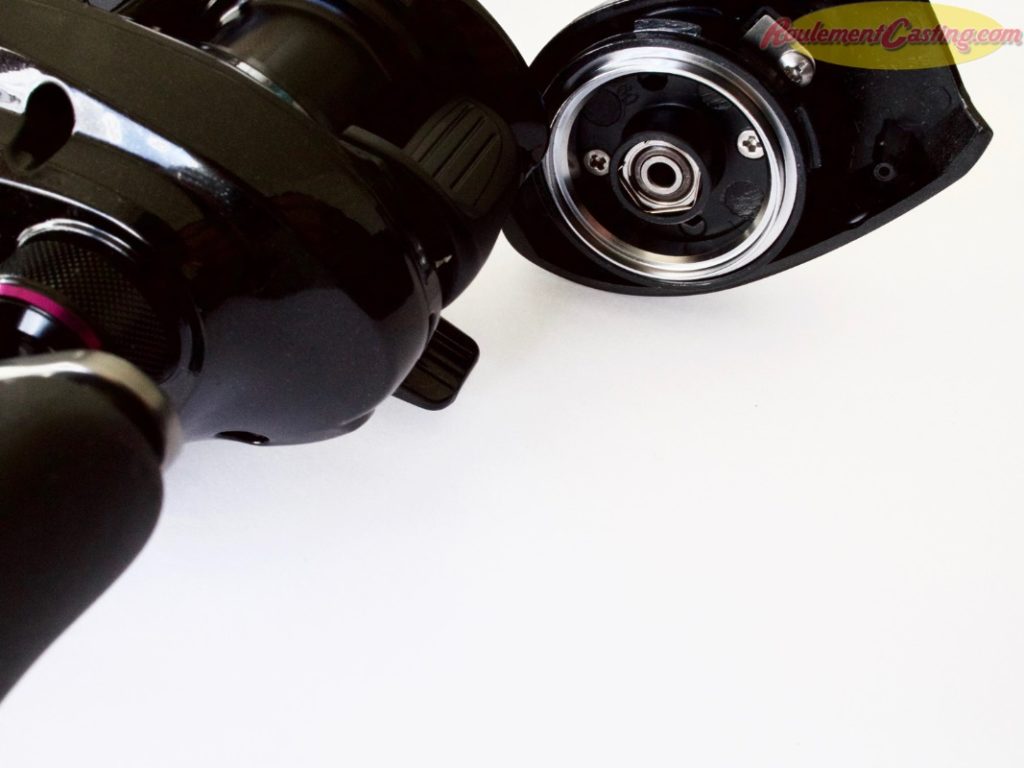
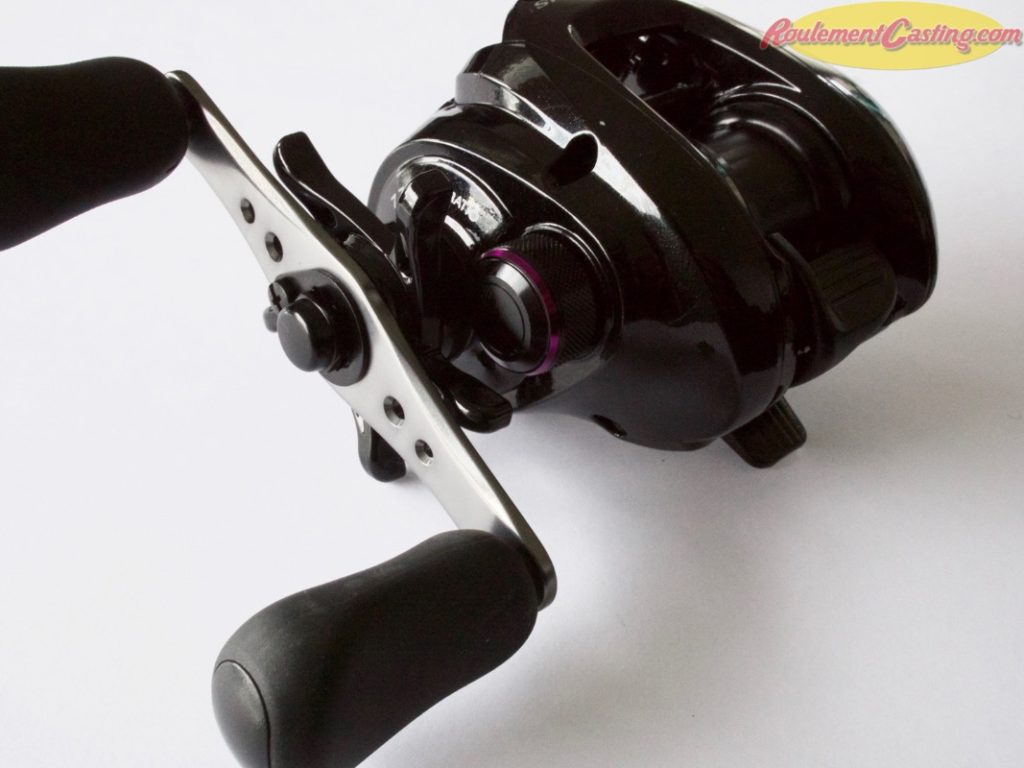
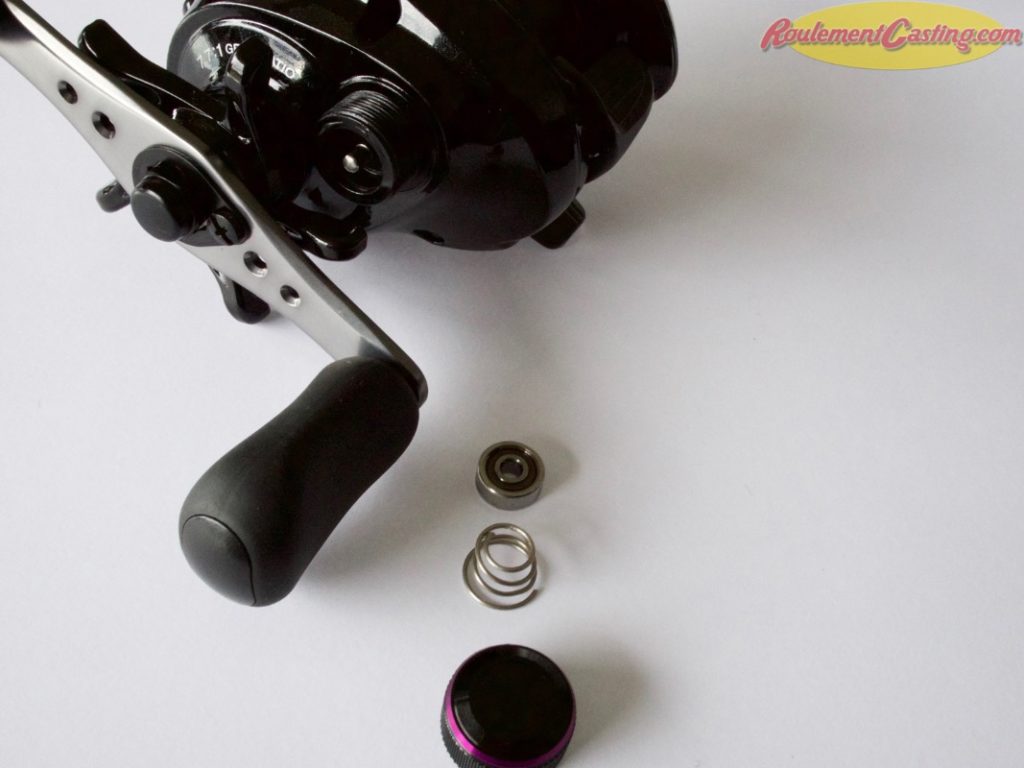
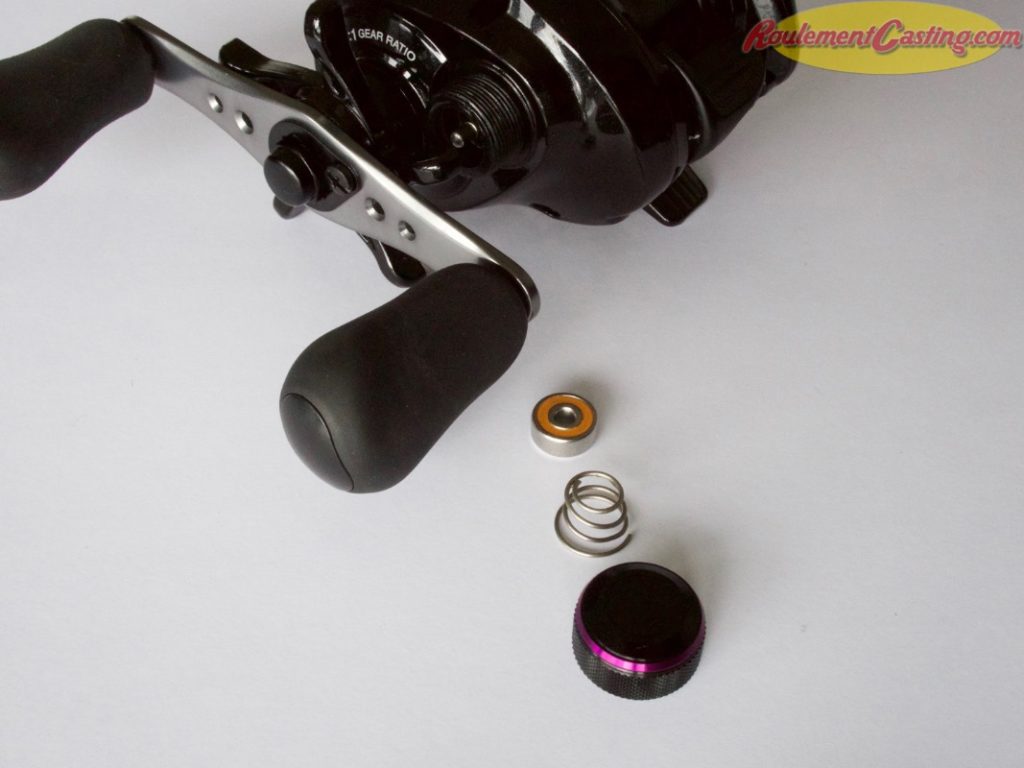

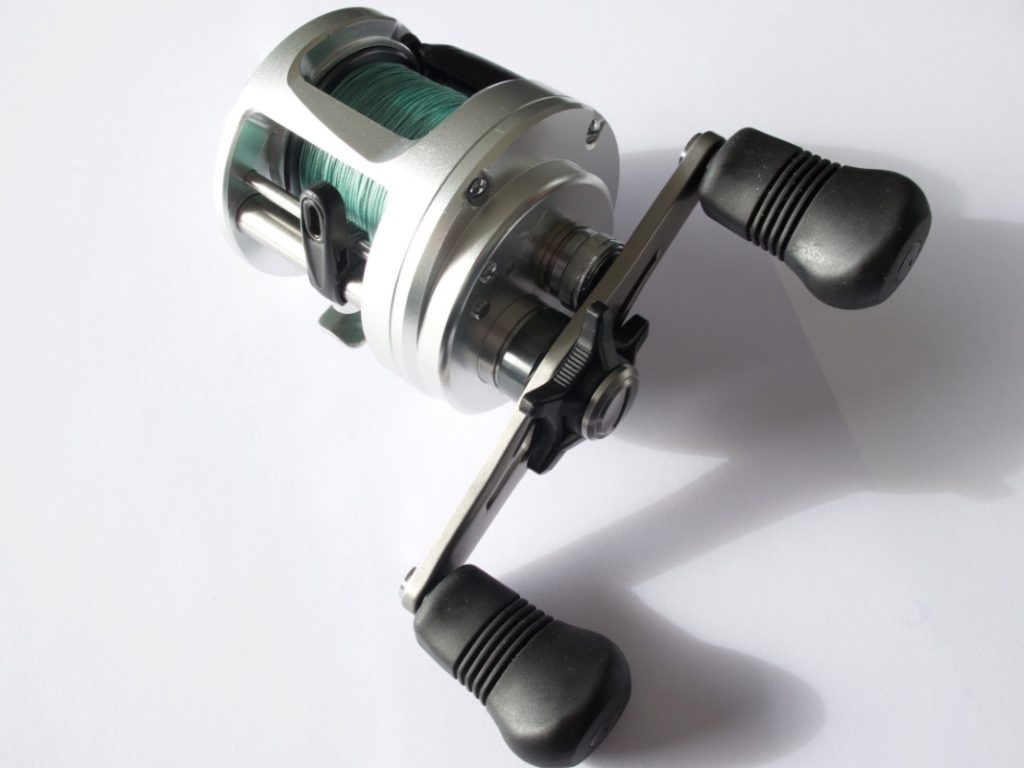
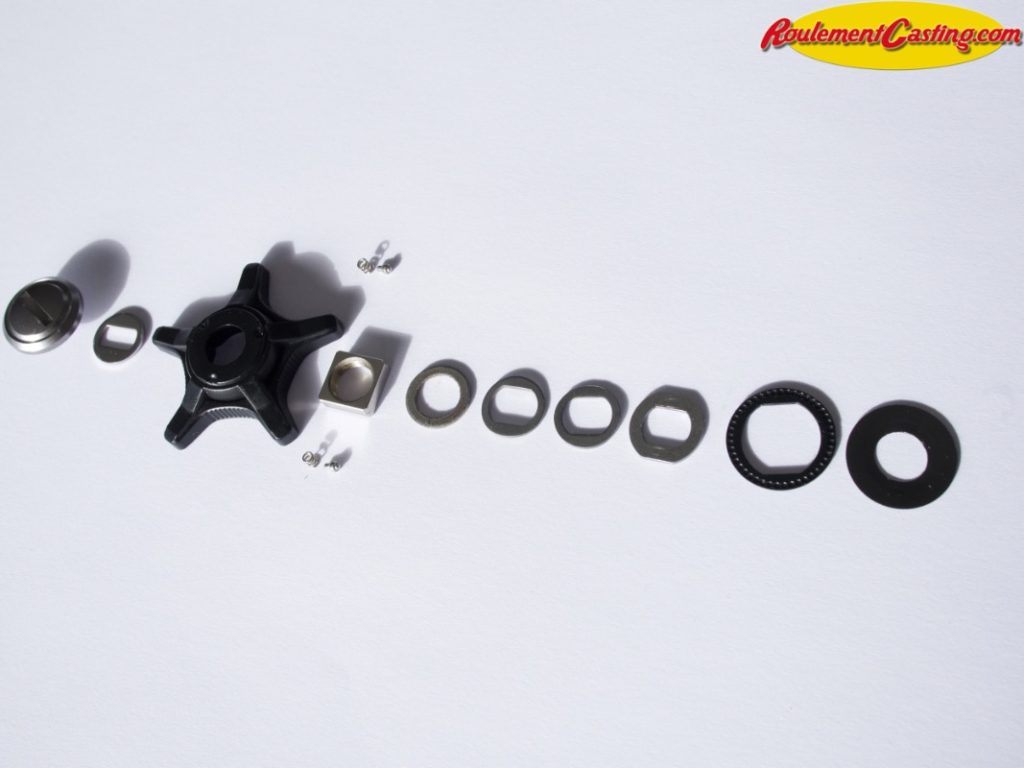


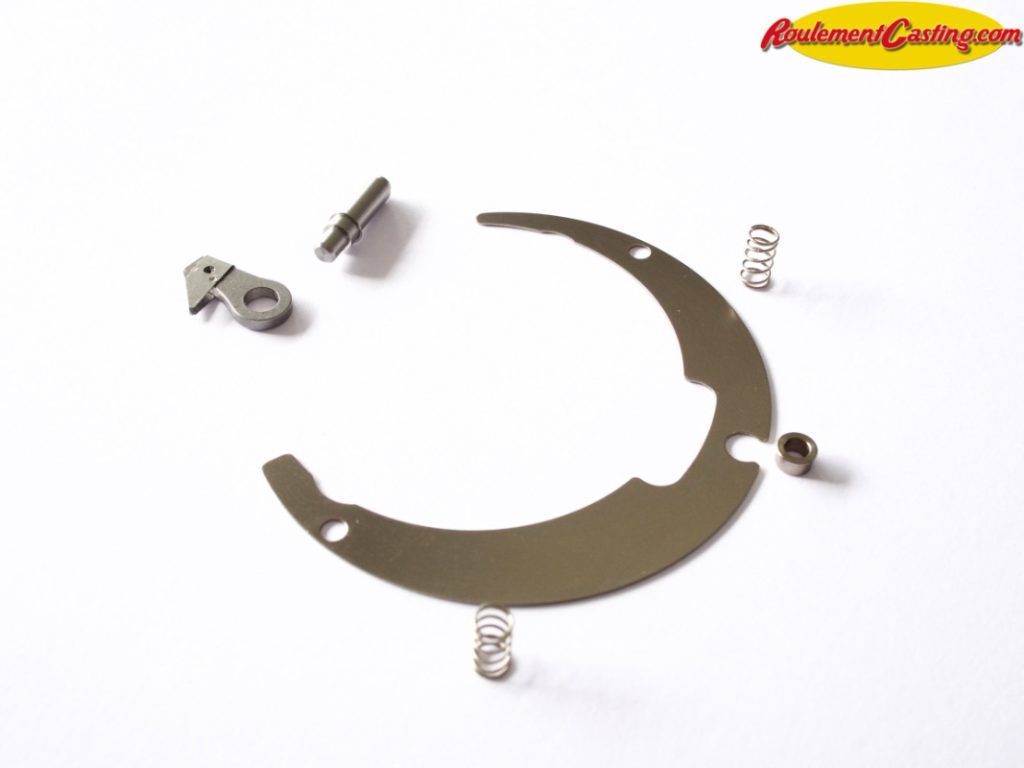
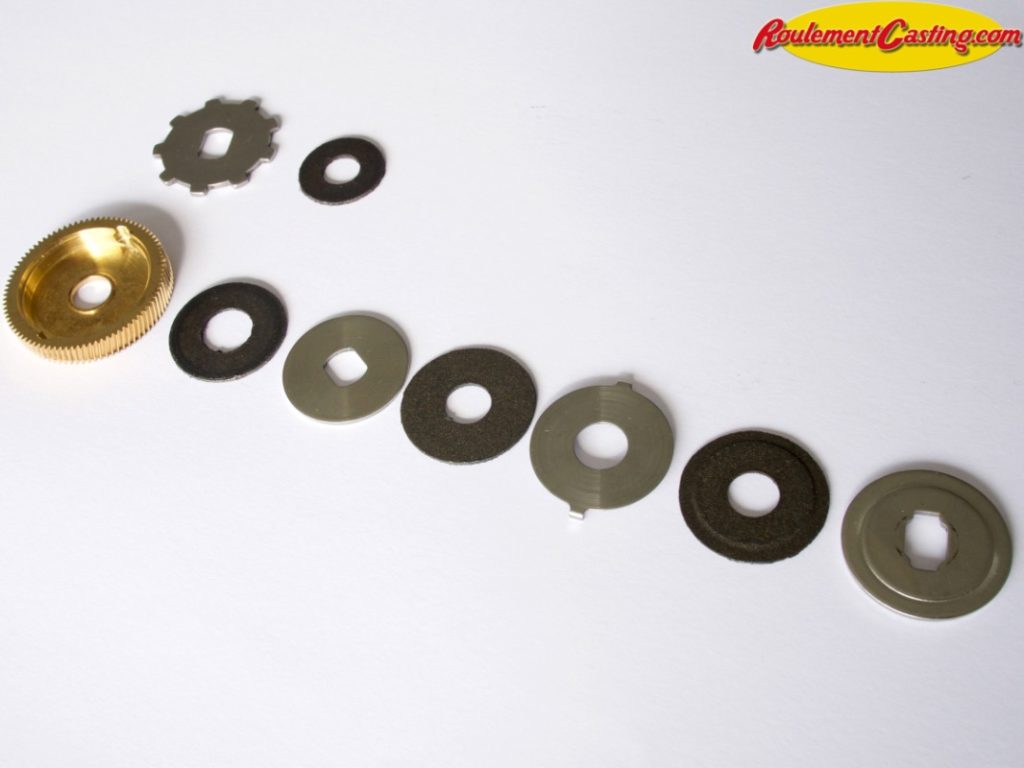
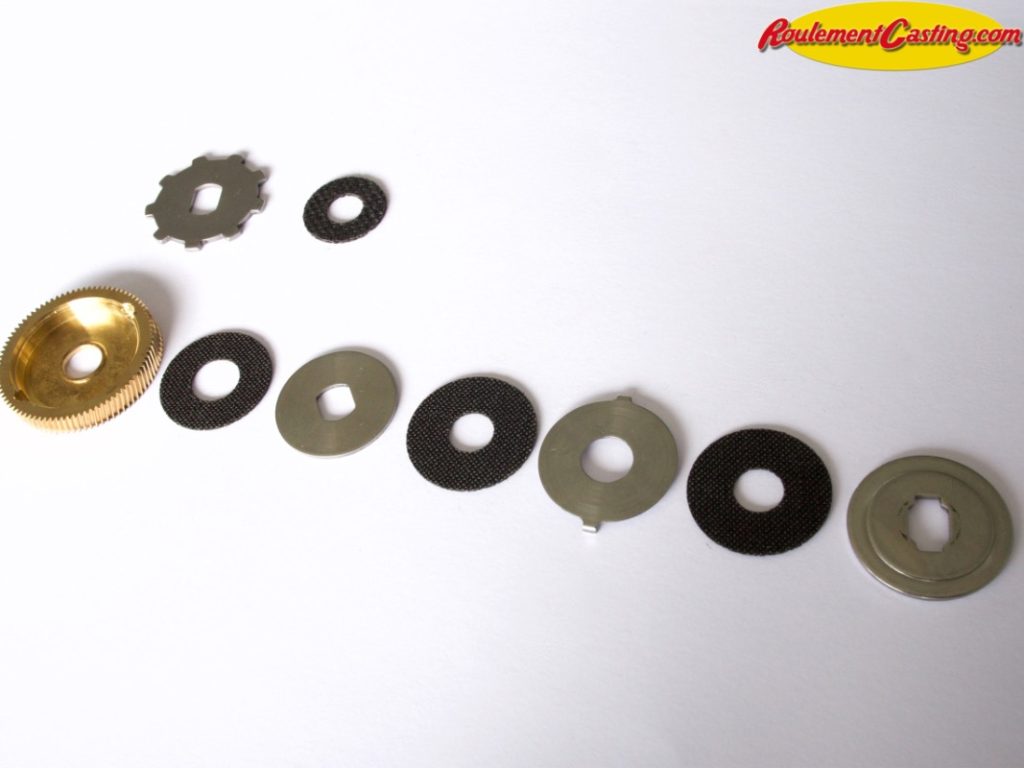
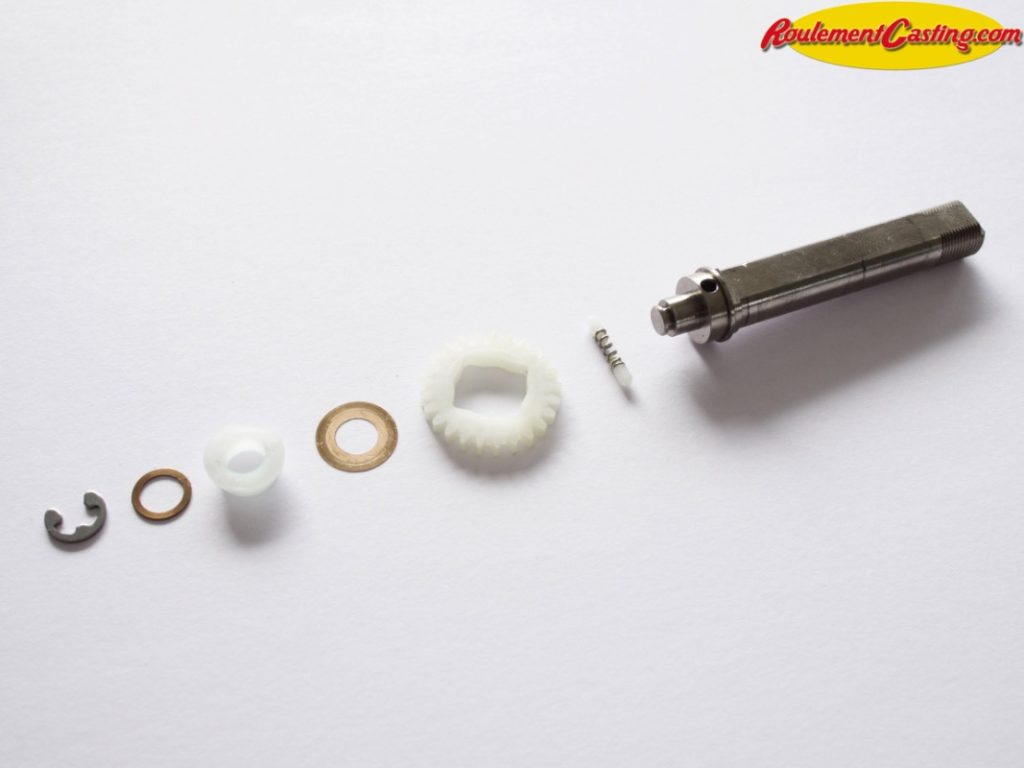






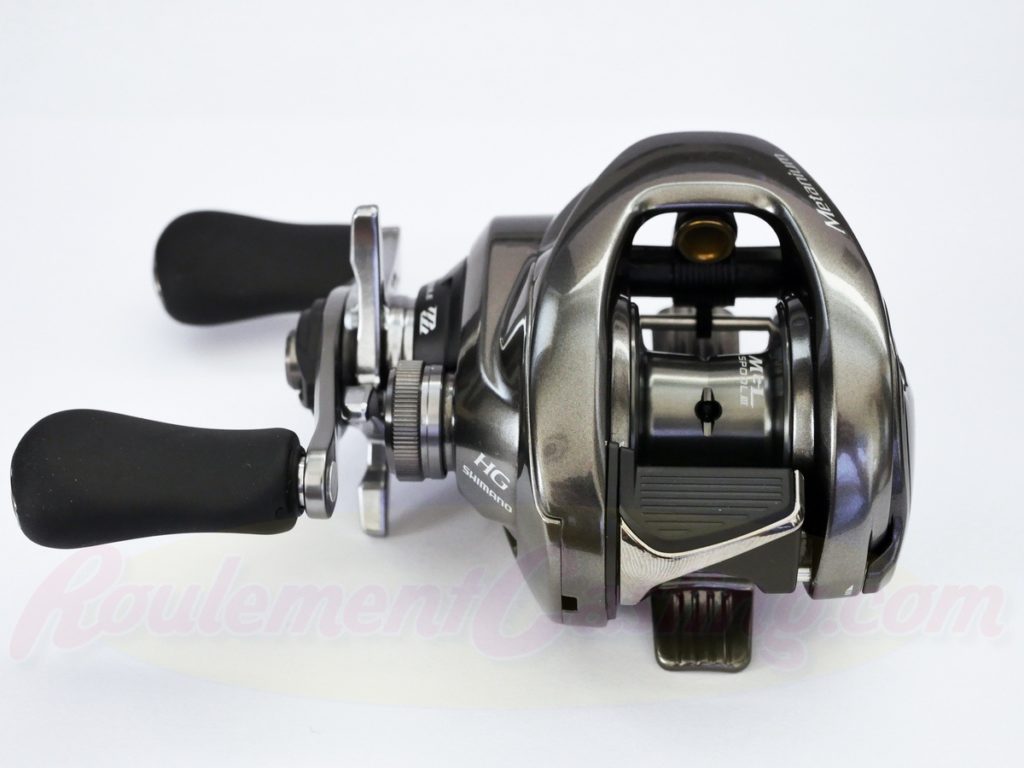
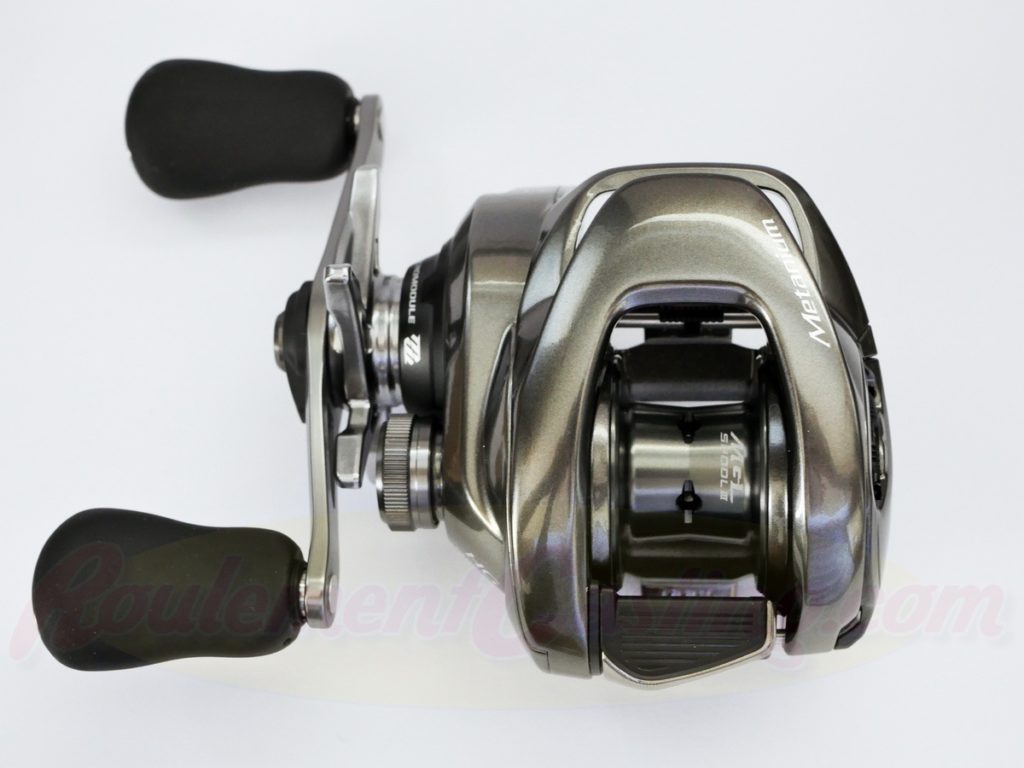
DC reels are something of an anomaly in the world of casting. Fitted with an electronic chip that controls the drag, they have undergone several iterations, not all of which are equally impressive. Whilst the Antares DC 4×8, with its 32 drag settings, still holds Shimano’s distance record at 118m, Shimano has been working to simplify the use of DC reels with the I-DC+ on the Scorpion DC (the least impressive version), the I-DC4 on the Metanium DC7, the impressive I-DC+ Tune on the Exsence DC, and, in 2015, the I-DC5 on the Metanium DC.
The DC series sits at the top of the Shimano range, and the Metanium is the third most expensive reel in the Japan range, tied with the Antares 12′ and behind the Antares DC and Conquest 10′ DC
[custom_table]
| Model | 2015 Metanium HG |
|---|---|
| Ratio | 7.4:1 |
| Recovery | 74 cm |
| Weight | 190 g |
| Reel weight | 17g |
| Bearings | 9 S A-RB + 1 |
| Crank length | 85 mm |
| Brake | 5 kg |
| Capacity | 14lb-100m |
| Country of manufacture | Japan |
| Retail Price in Japan | 55,000 JPY (excl. VAT) |
| US retail price | ND |
| Publix France Prices | ND |
[/custom_table]
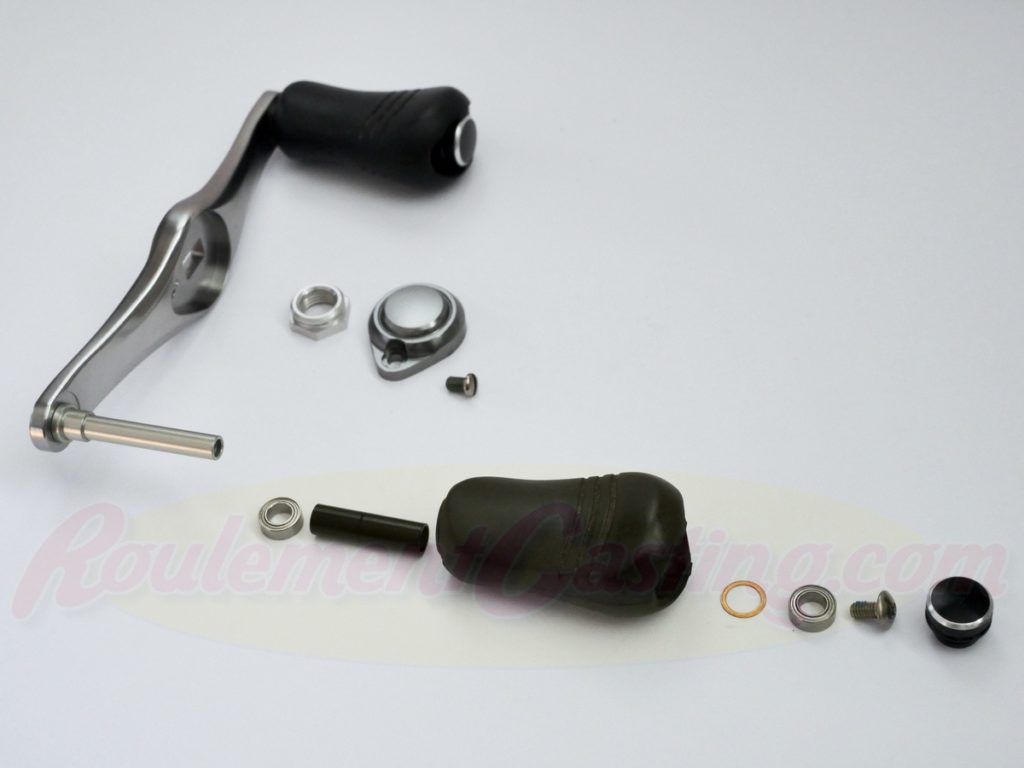
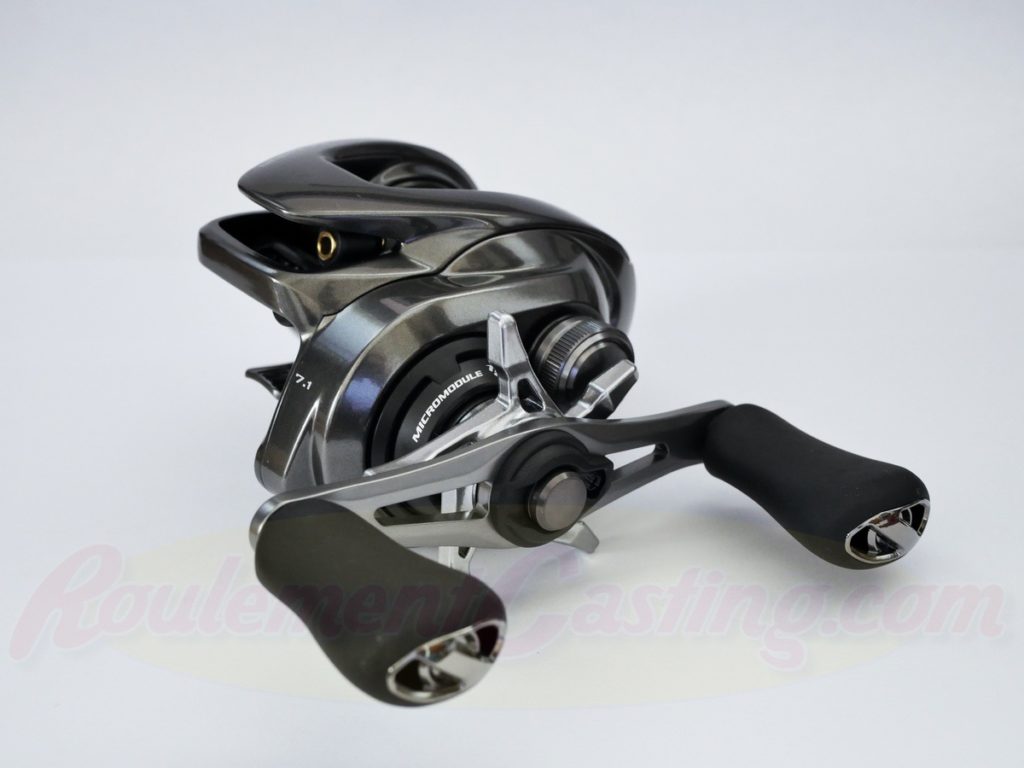
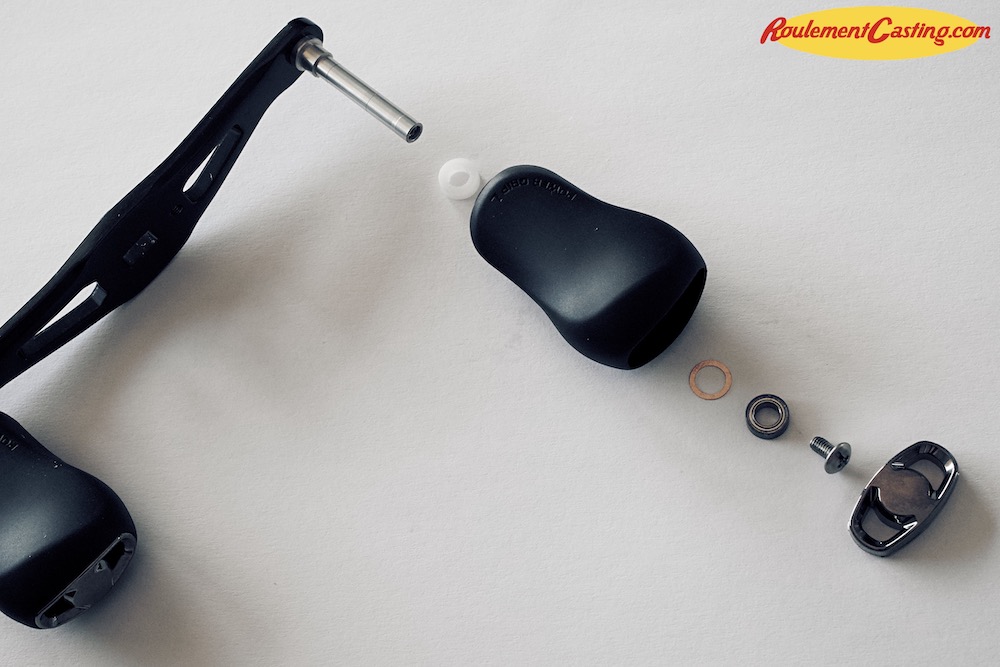
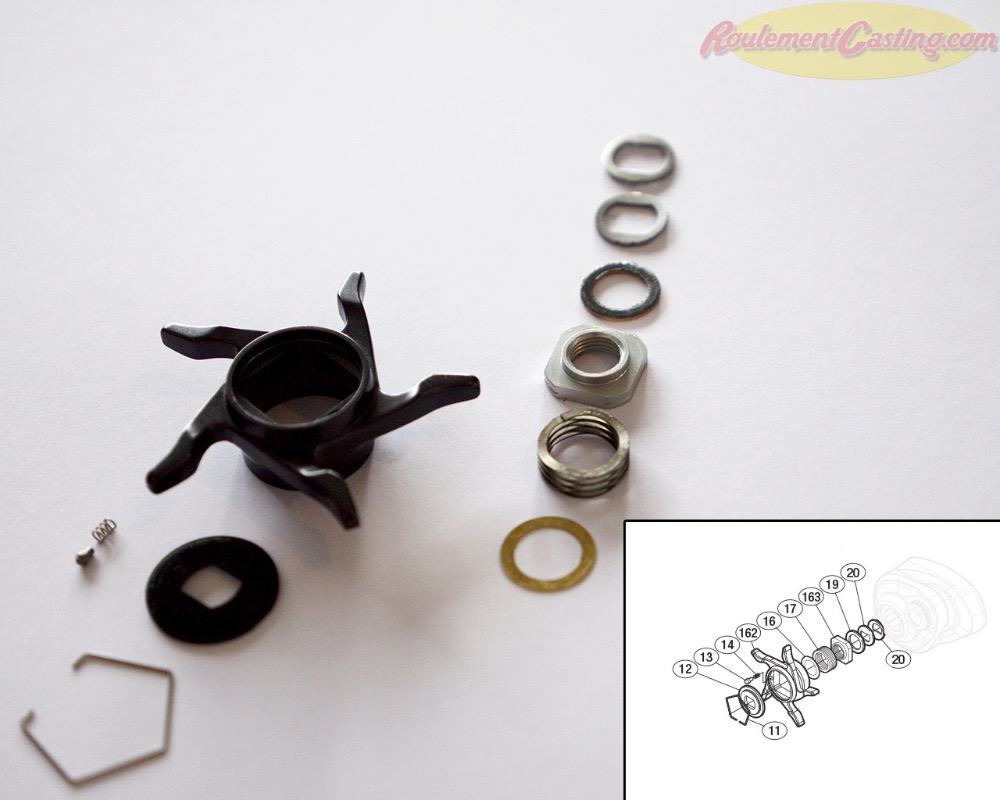
The handle is an 85mm aluminium model. The knobs are the same as those on the Conquest 14/15′ and are distinctive for being hollow.
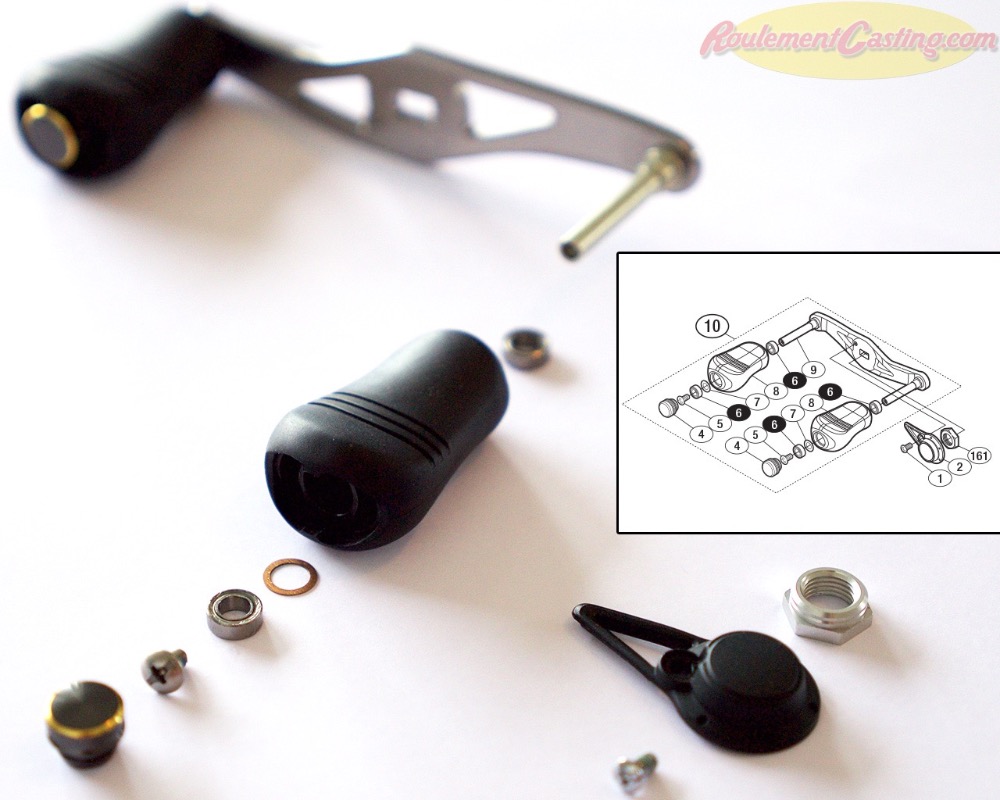
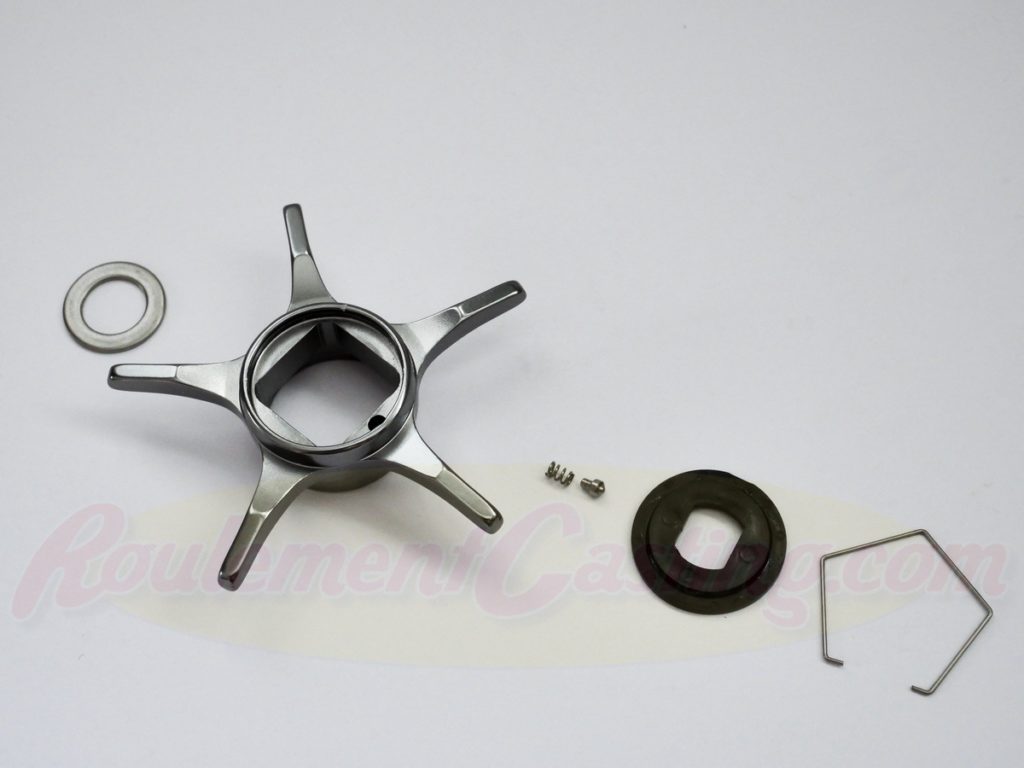
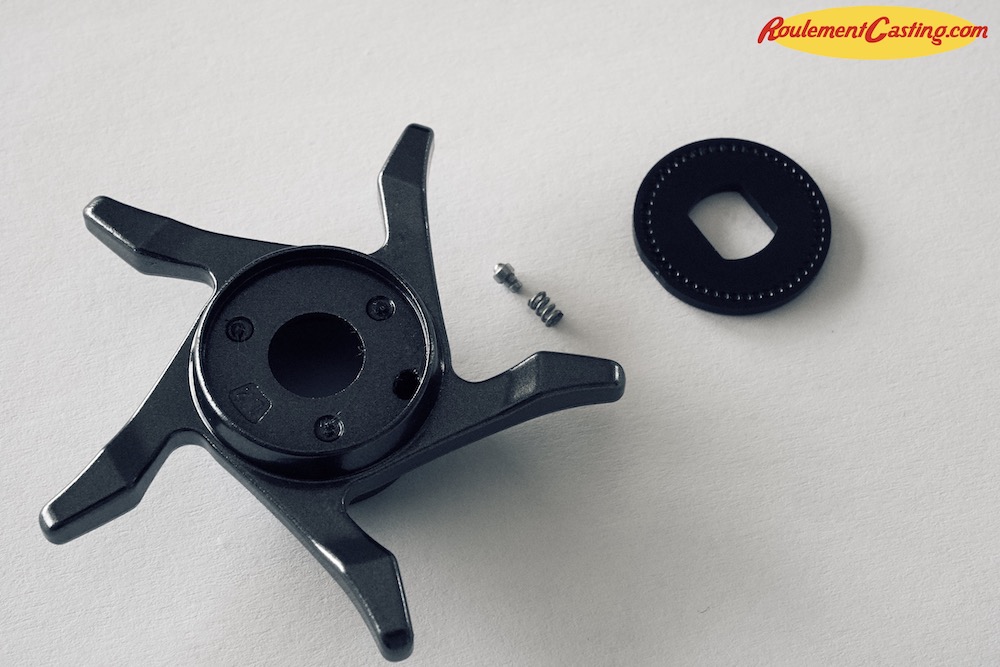
The aluminium brake star is a Shimano classic.
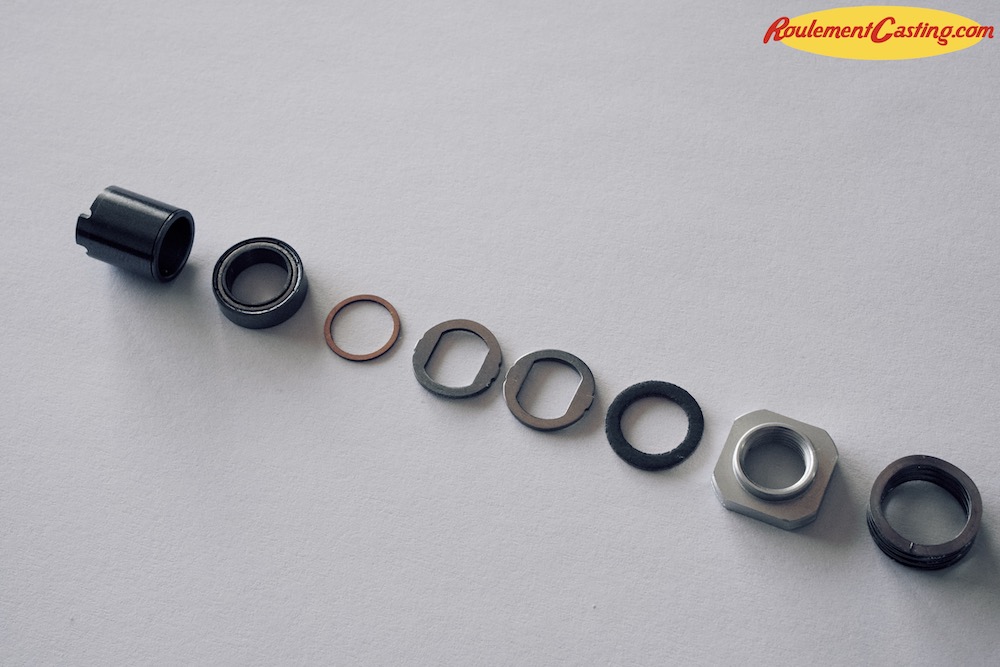
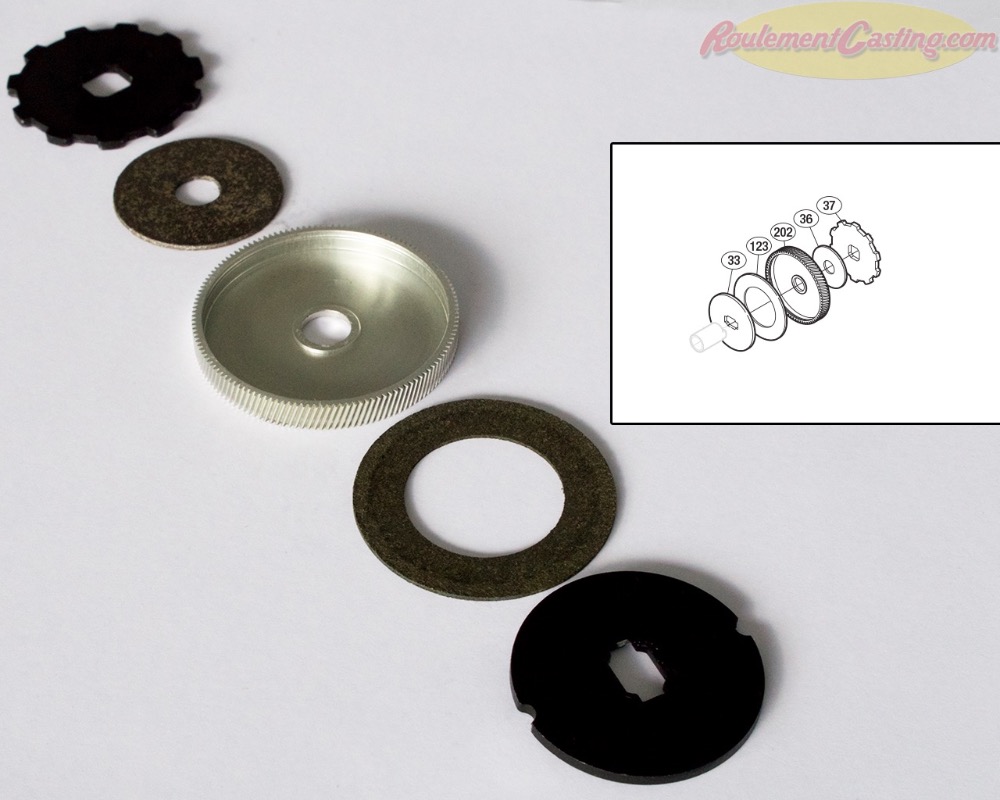
The control wheel is oversized and features a micro-module design. As with the 13′ model, it is made of aluminium and weighs just 6g; a brass wheel of this size would inevitably have saved a few grams overall. The brake washers are not made of carbon, and curiously, the contact surface between part 33 and washer 123 is not very large – a double mystery…
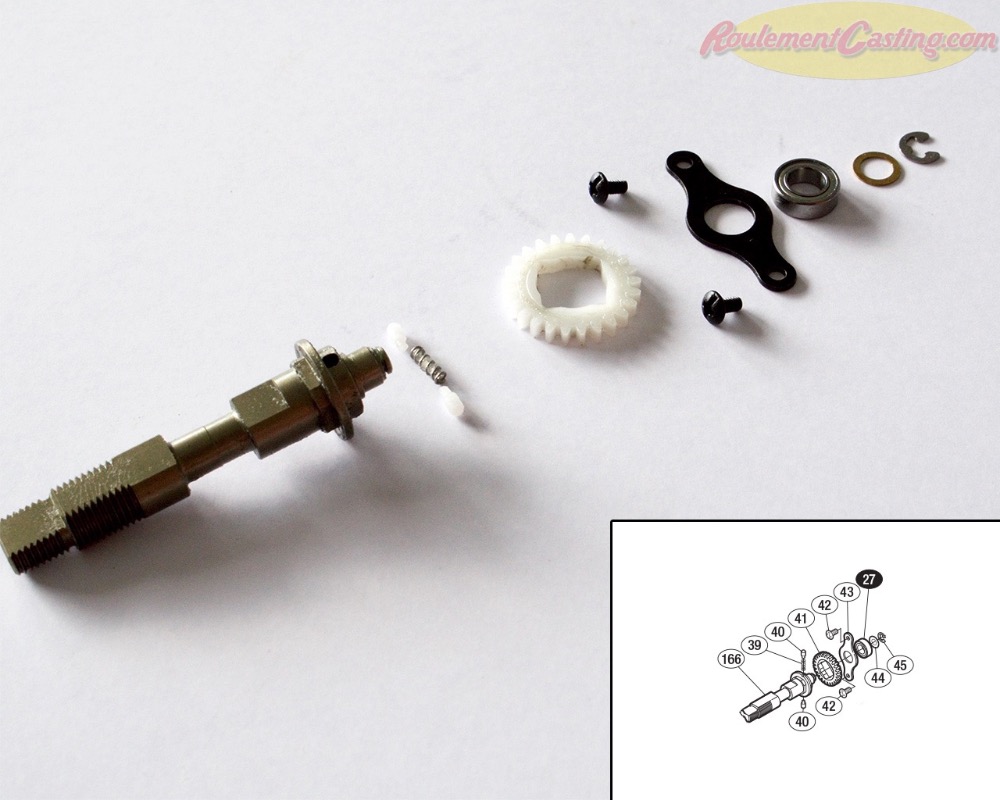
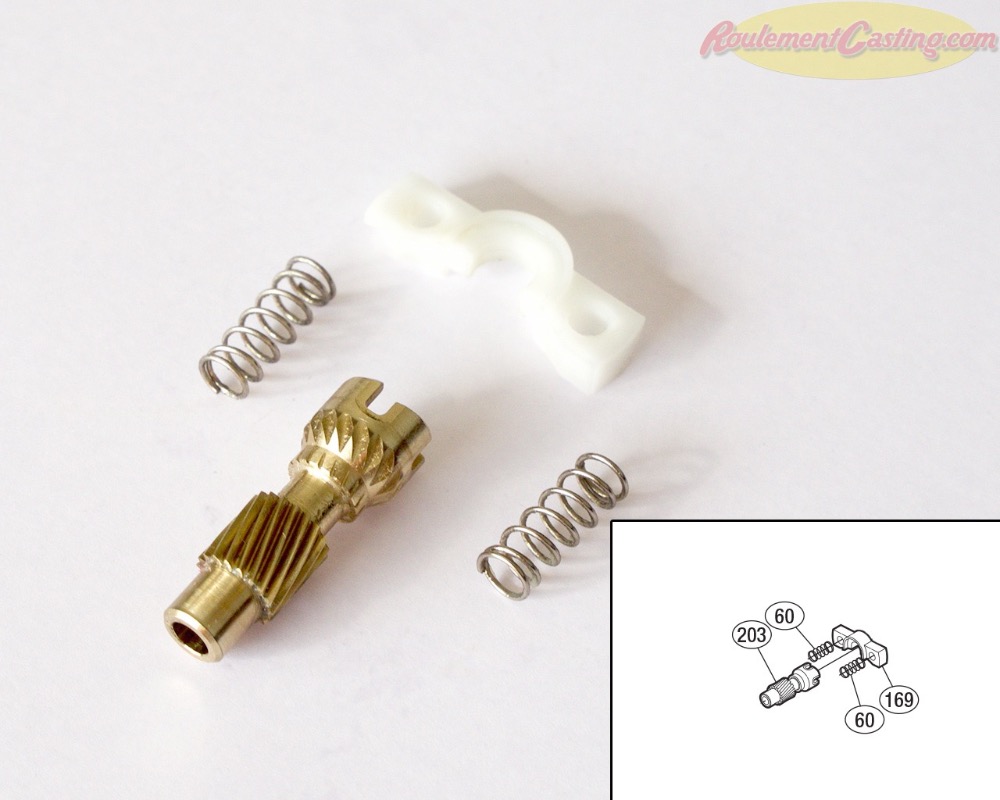
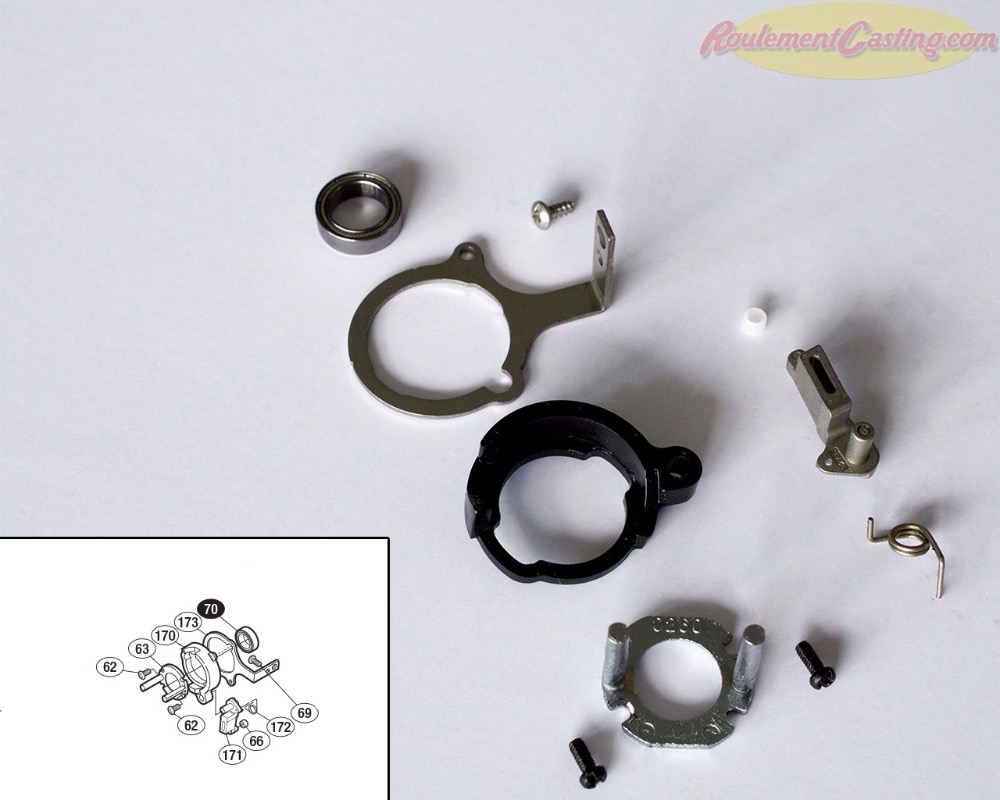
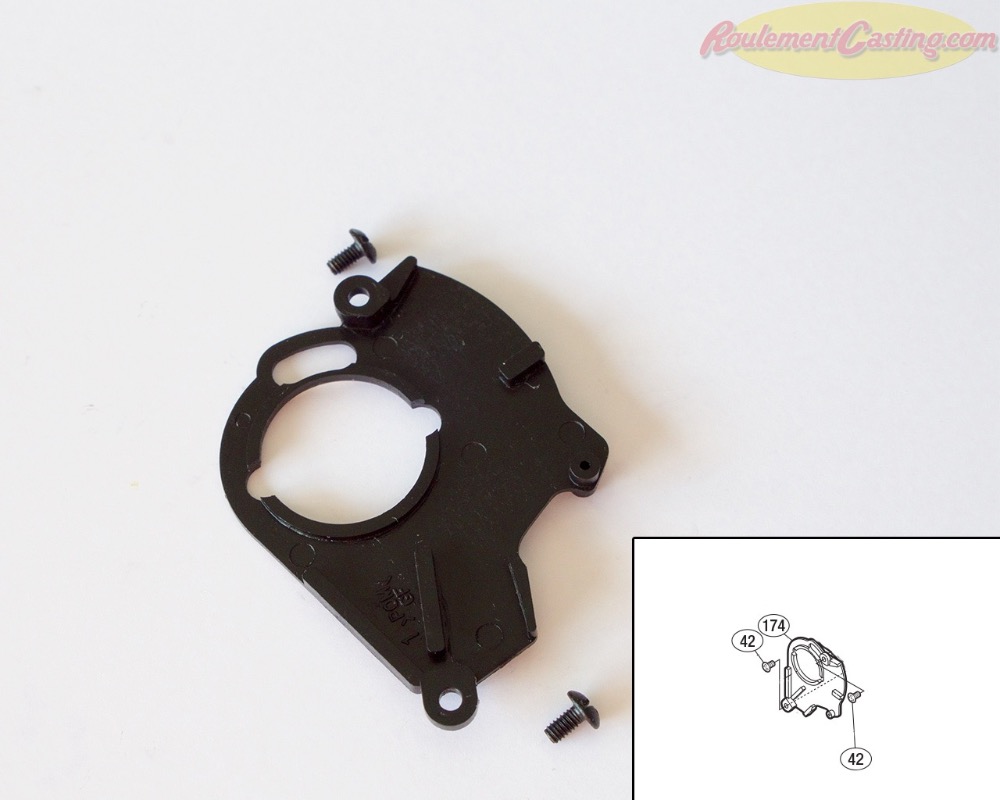
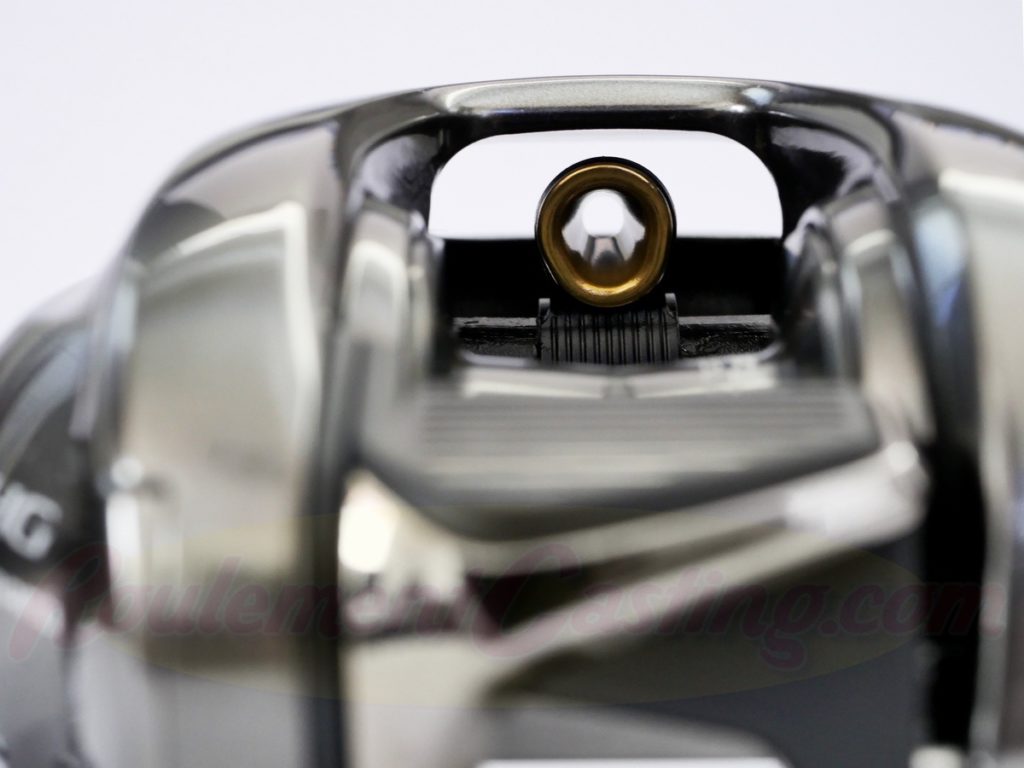
The guide wire is very standard; it’s a shame there’s no roller or plastic bearing, which would have the advantage of being easy to replace. There’s no scope for improvement here.
Part 167 is lightweight, but unlike the Aldebaran 15', it is well-constructed and has no play.
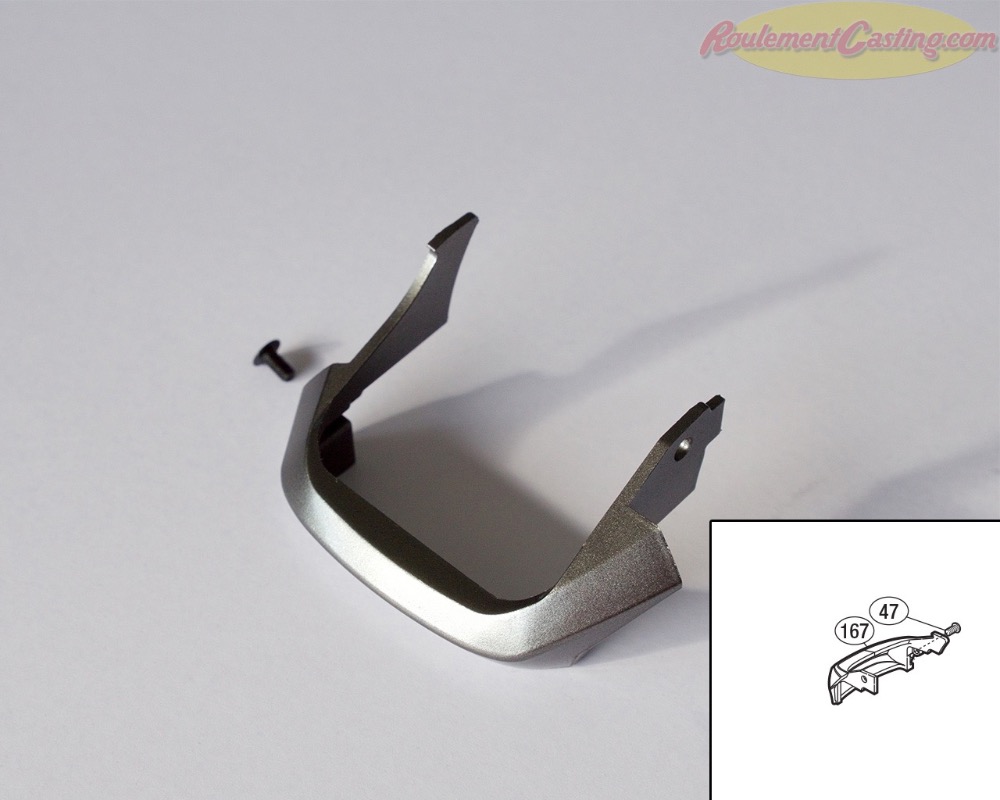
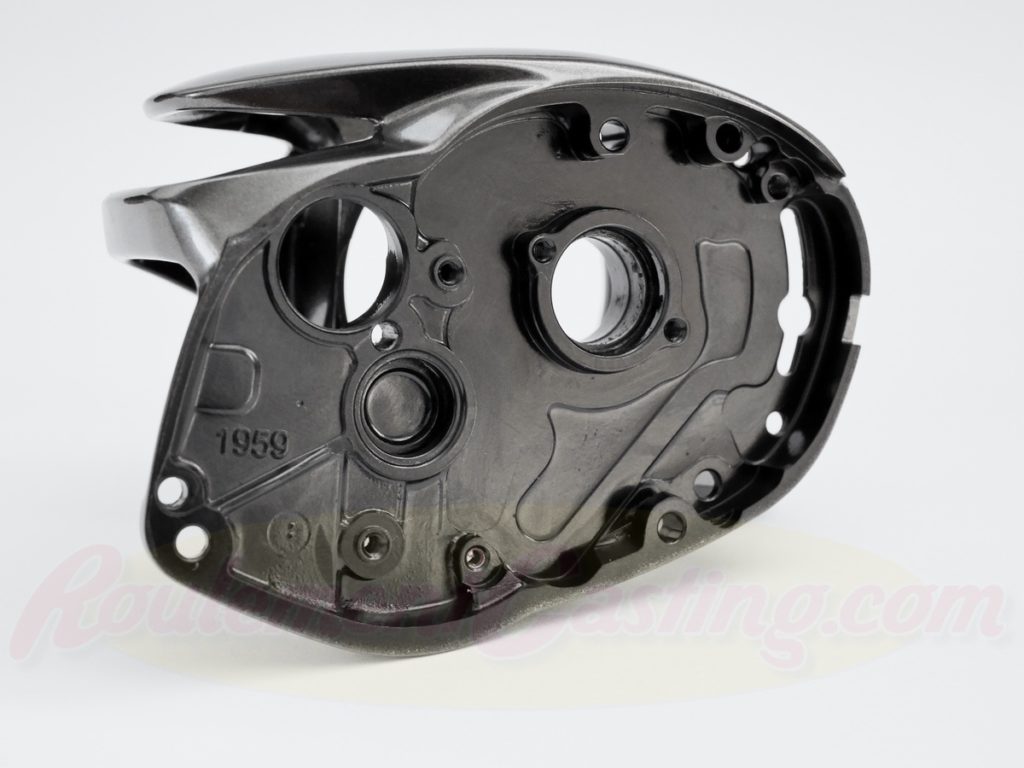
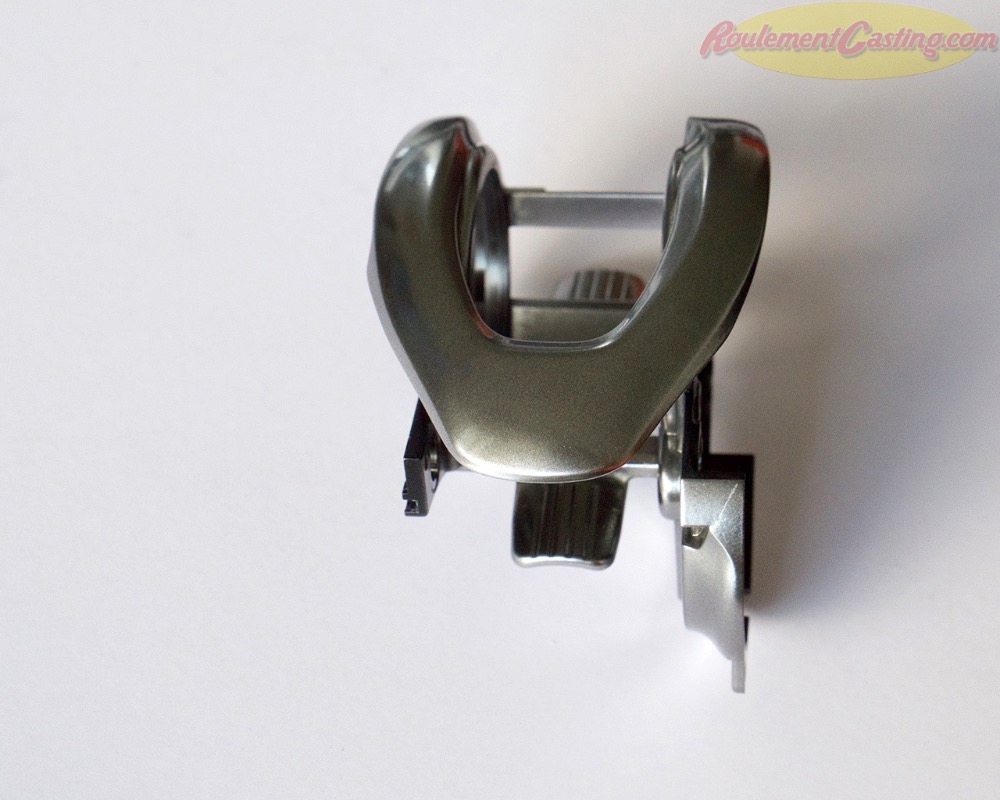
The bare frame weighs just 25g

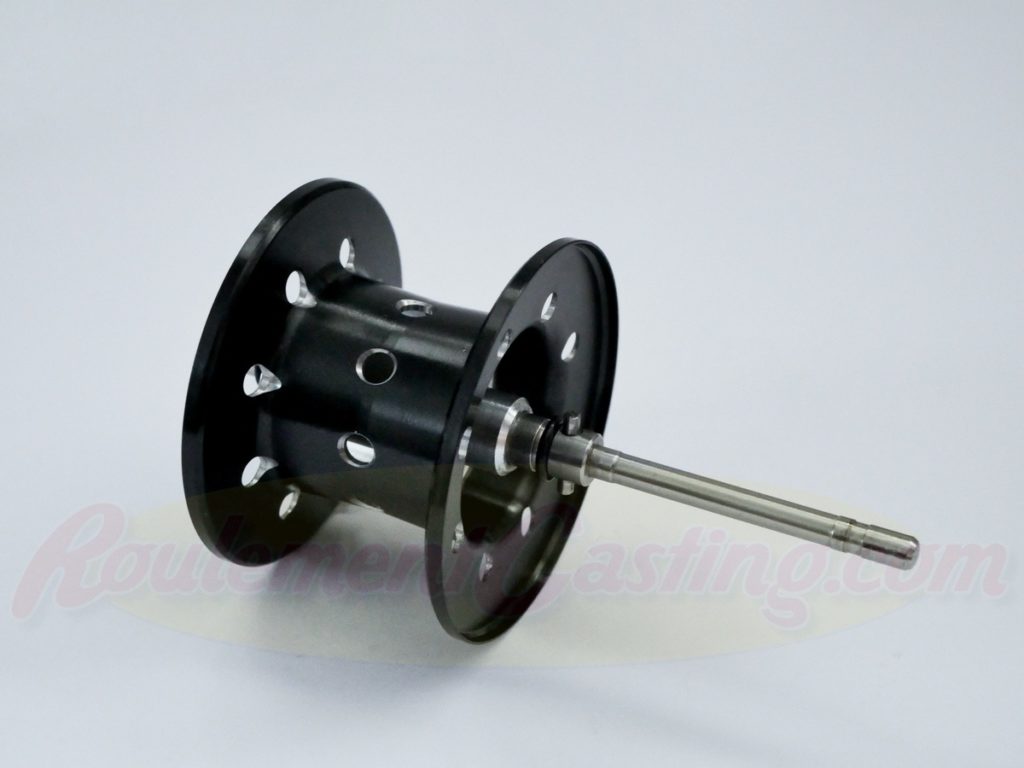
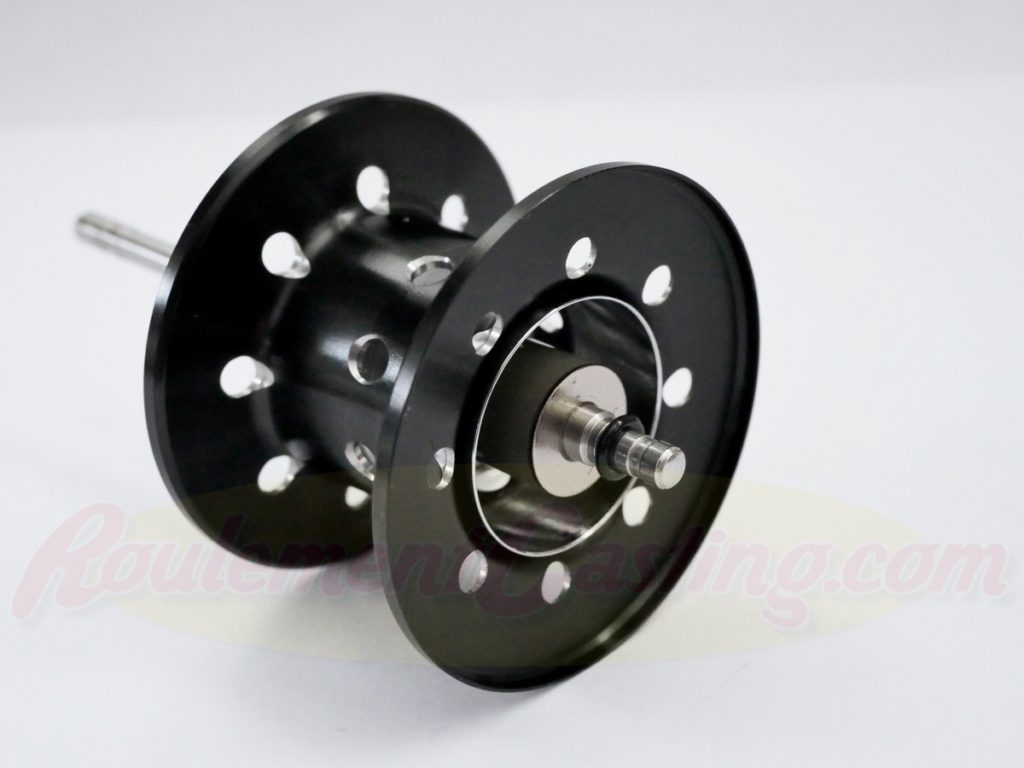
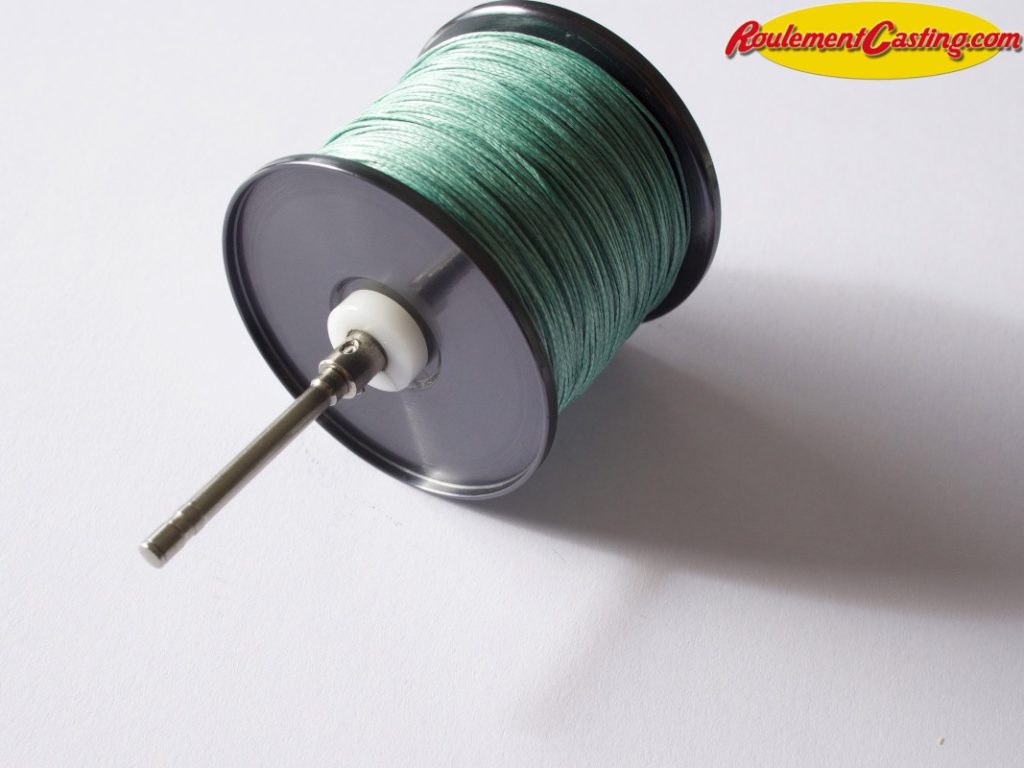
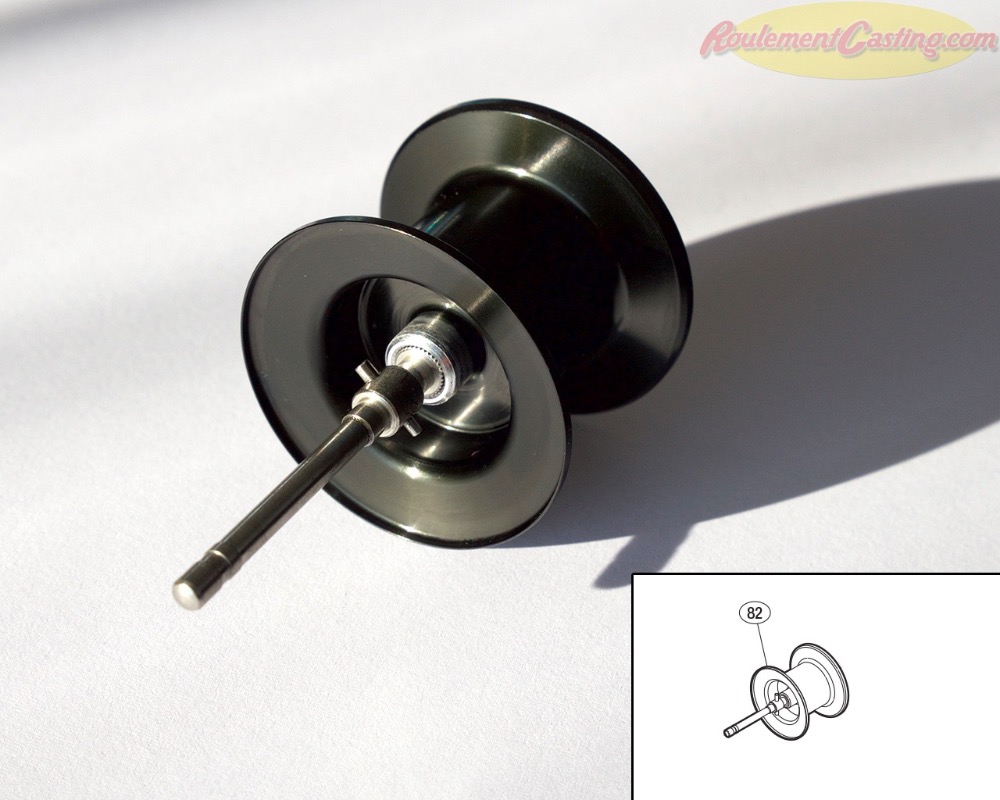
The spool is specially designed for DC. Weighing 17g, it offers good performance and is versatile.
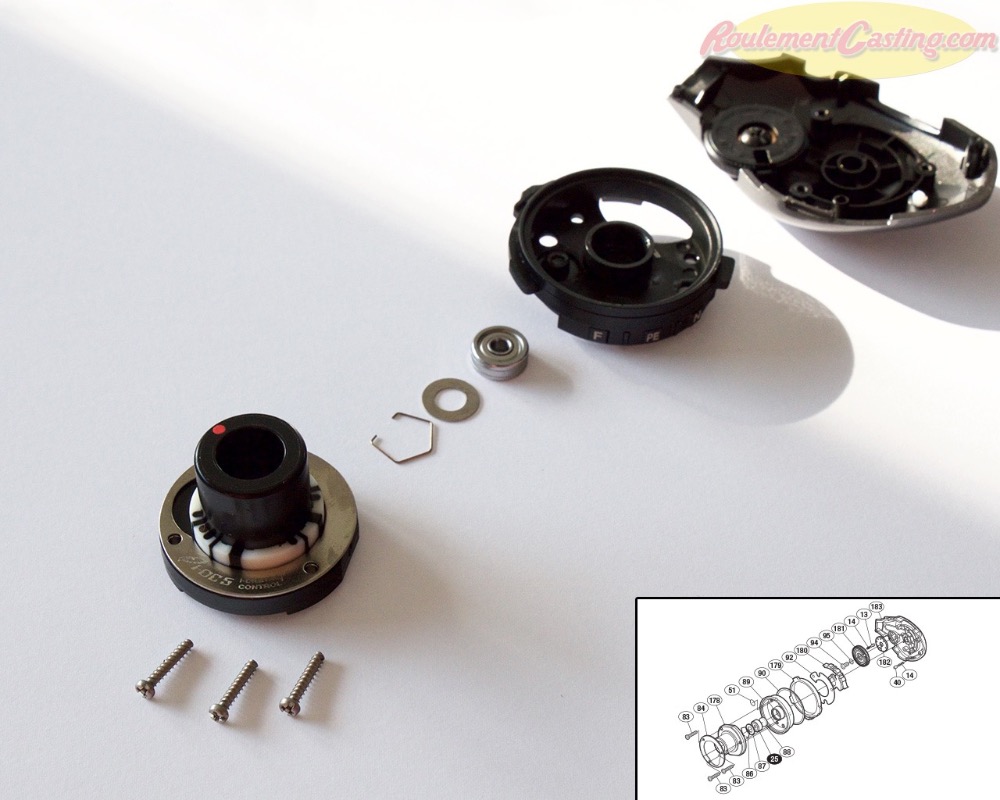
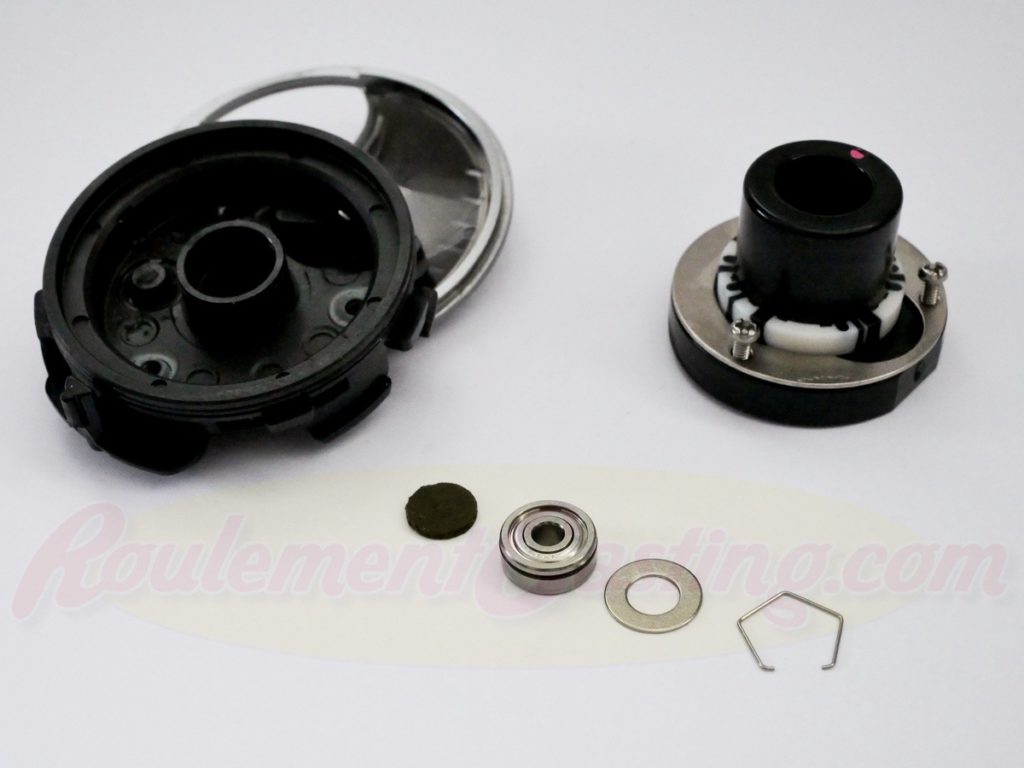
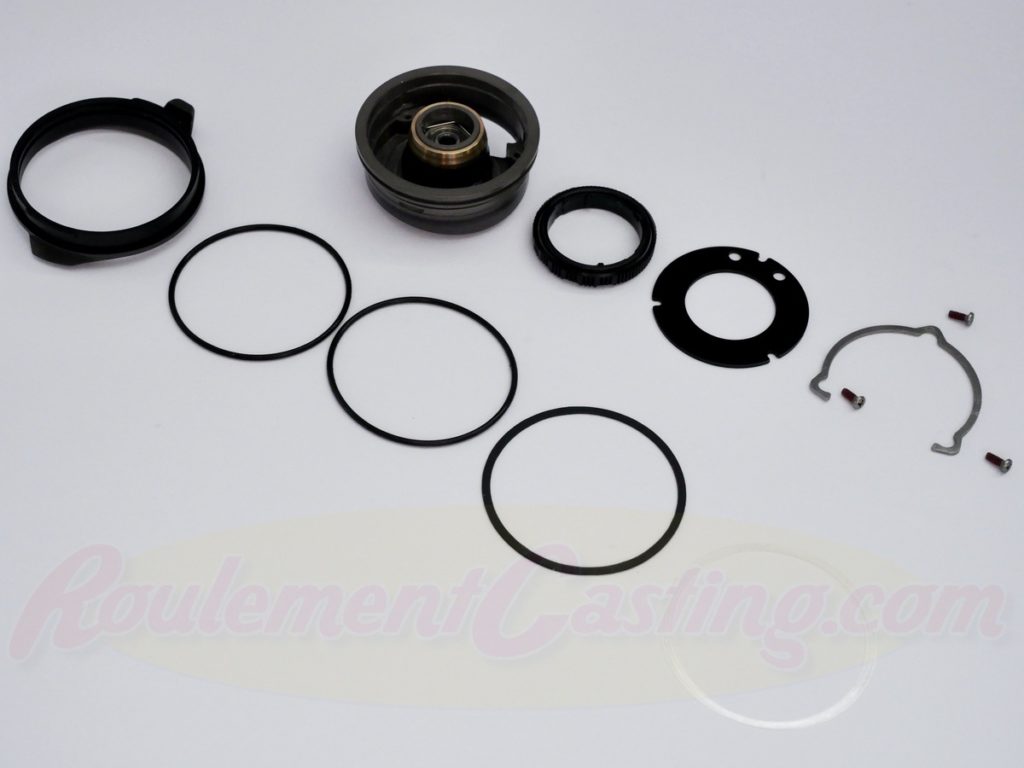
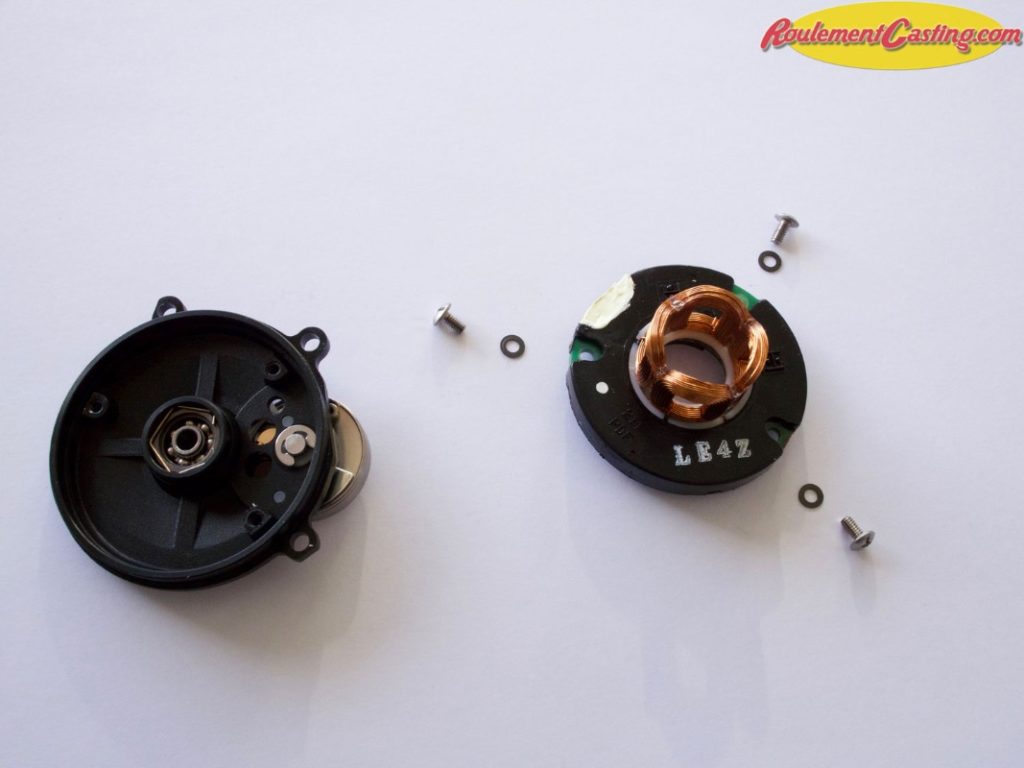
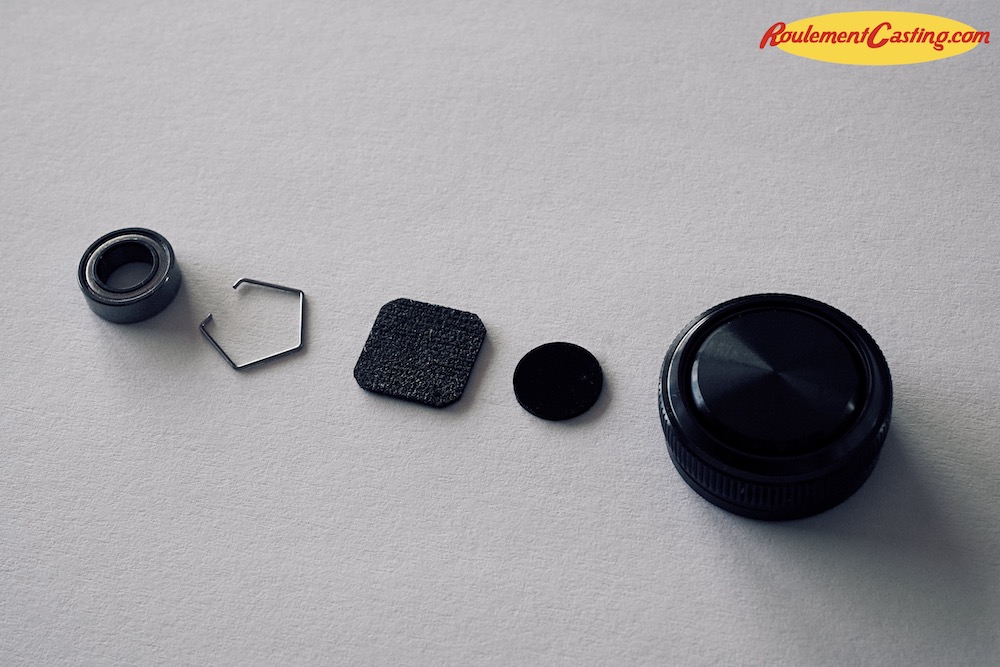
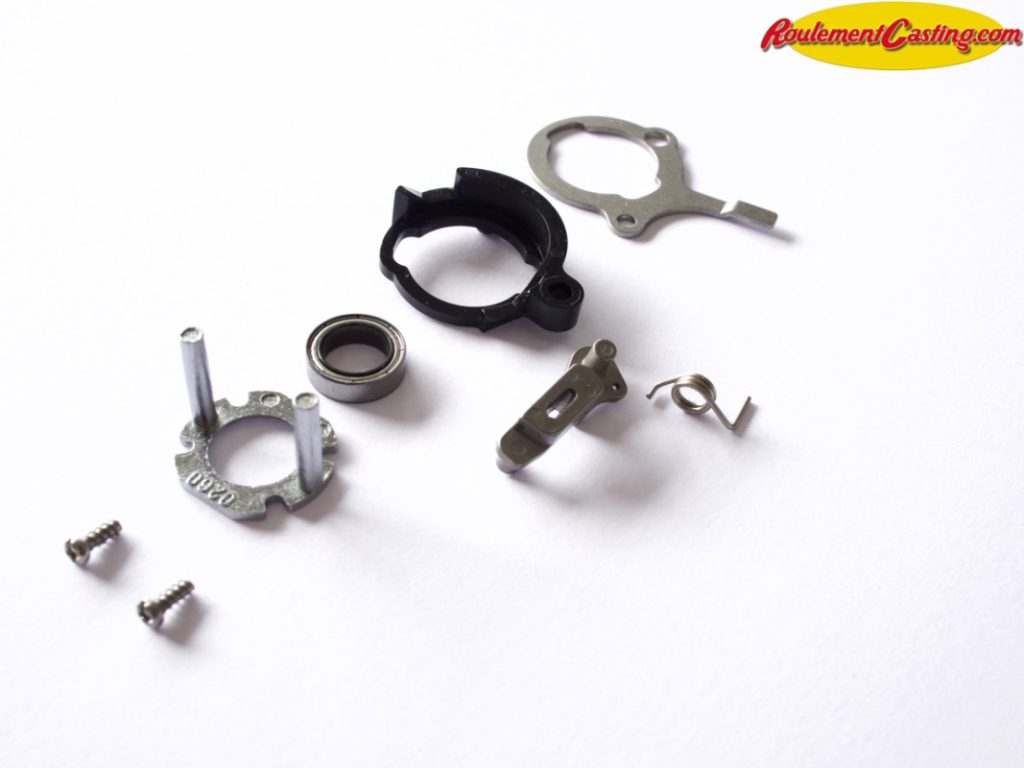
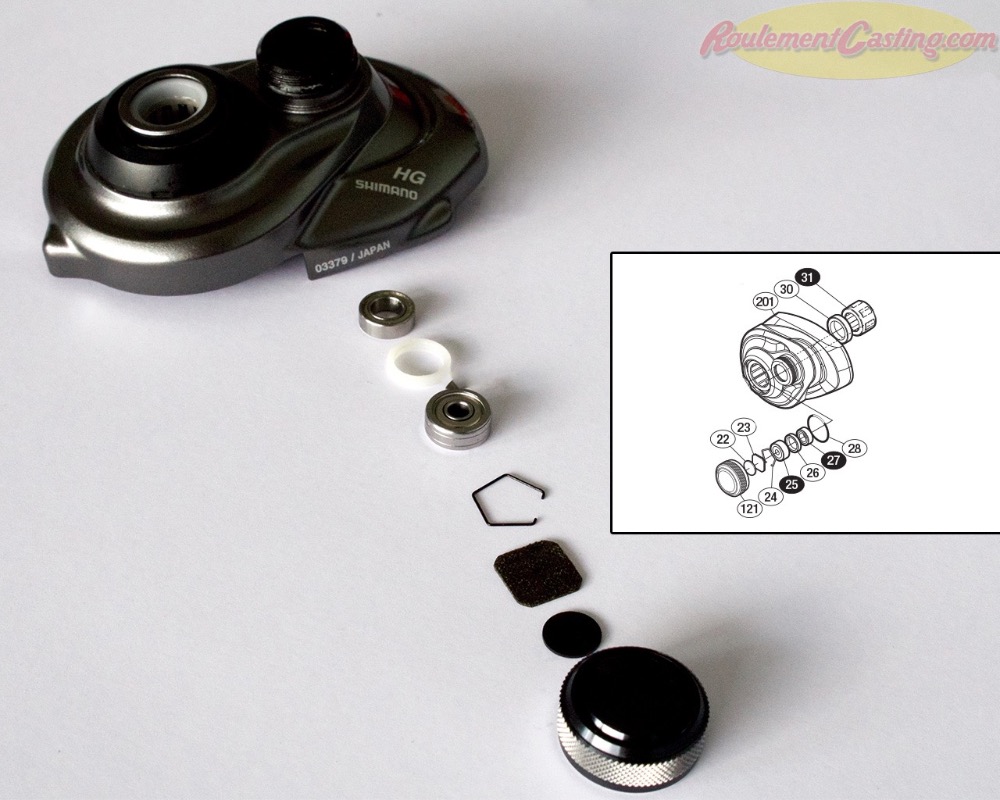
And finally, the brain of the Metanium: the I-DC5 unit. Gone are the exposed copper wires of the first system; the unit is perfectly moulded with a rubber section that fits into the coil. Accessing the coil bearing is easy, as you simply need to remove the three screws and the clip.
Mechanical rating: 8.5/10 The Metanium DC is a clone of the Metanium 13'. It therefore shares the qualities of the Metanium 13' HG, as well as its little ""flaws" which, with the rising cost of DC motors, are becoming harder to justify. These include the plastic bearing, the lack of bearings on the line guide, the non-micrometric friction brake knob and the brake washers. That said, in its two years on the market, the reel has proven its worth and the DC motor is a real gem.
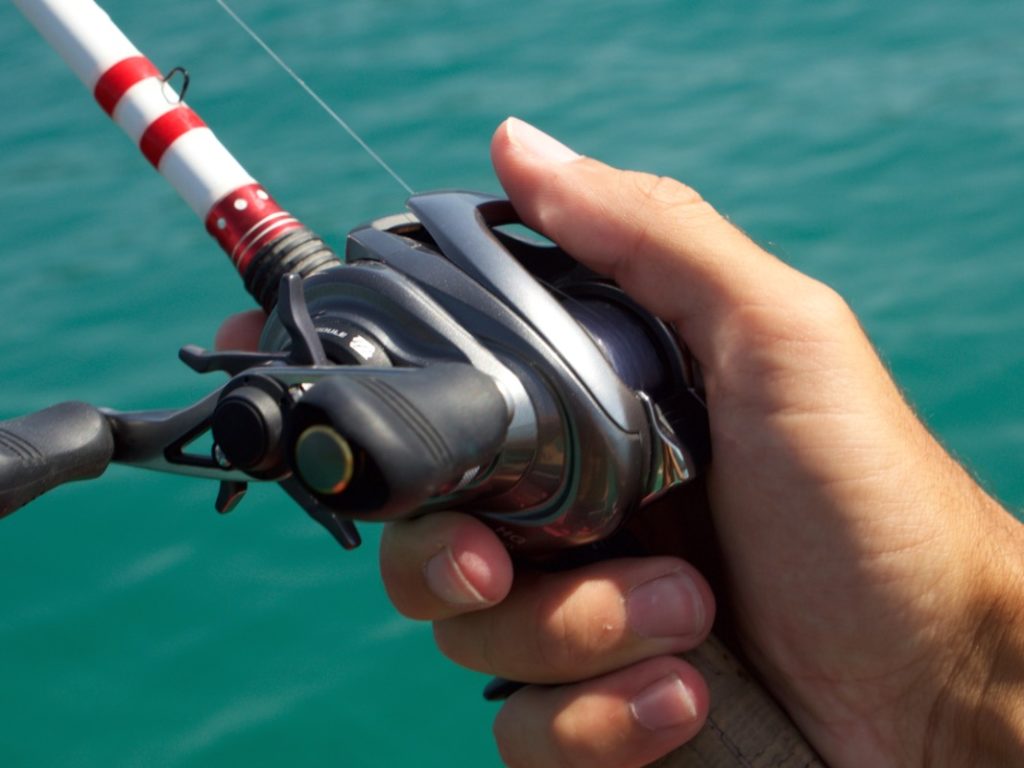


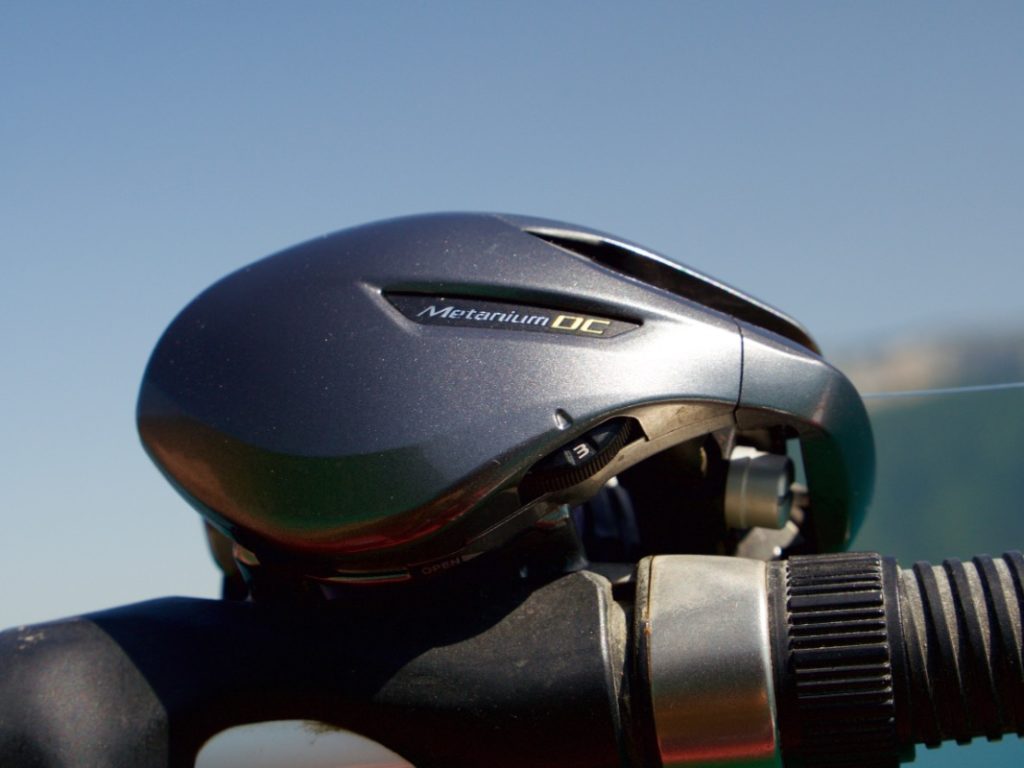
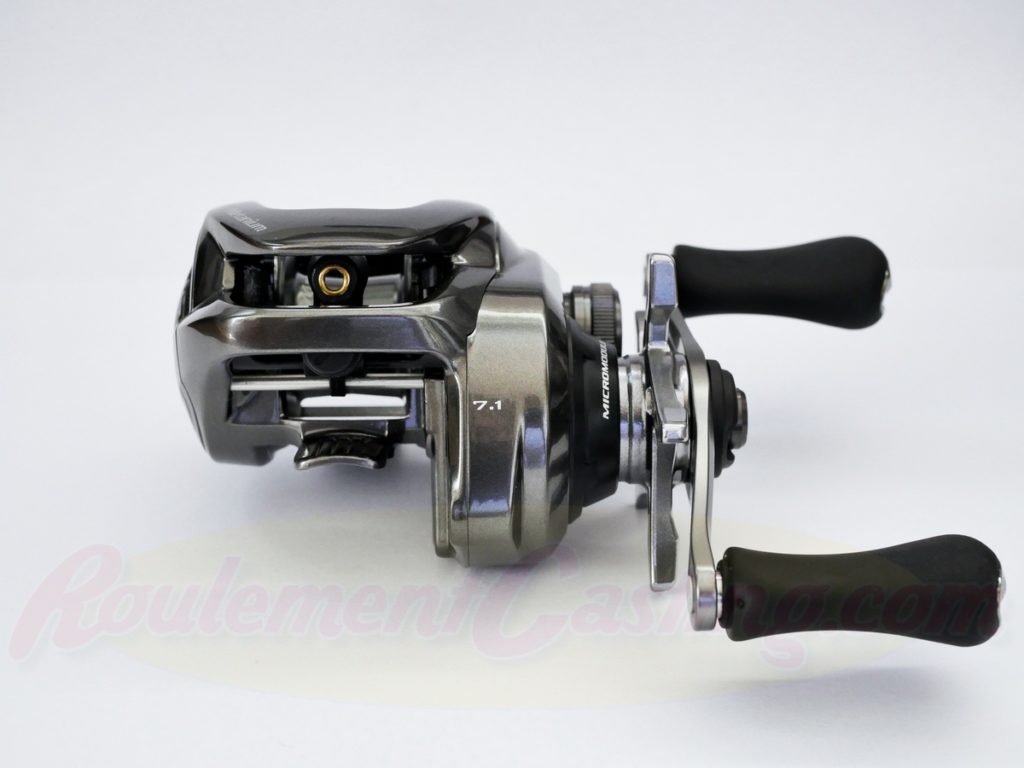
DCs are known for being heavy. The Metanium models keep the weight down, as they are the only ones in the range to weigh under 200g. The DC HG, at 190g, feels solid without being too heavy, even though it sits in the upper mid-range for all-round reels. On an MH rod this isn’t a problem, but on a really light M rod you start to feel it (though it’s not a major issue).
Slightly larger than an Aldebaran 51 but similar to the Chronarch Ci4+, it feels good in the hand. The new hollow handles are very similar to the Technical Grip (less bulky than the Technical Grip II), so Shimano enthusiasts will feel right at home. The 85mm handle, with its very slight offset, is comfortable in all situations, including power fishing.
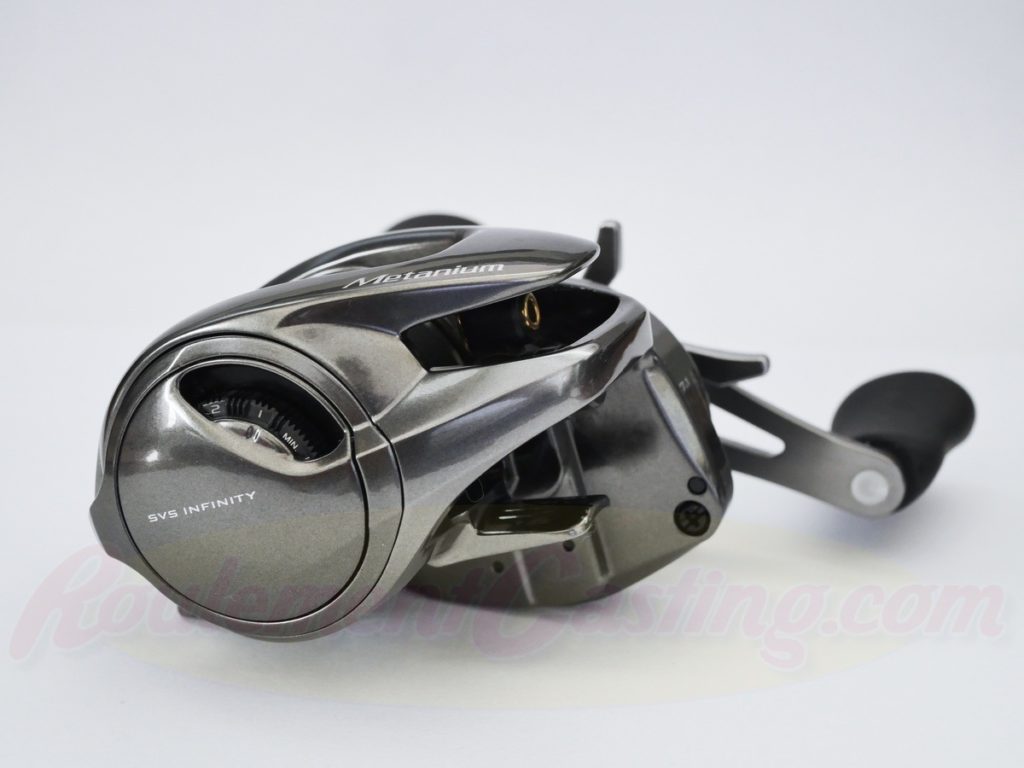
The settings can be accessed very quickly and can be adjusted entirely using the scroll wheel
outdoors.
Only the line type requires the sideplate to be opened, so unless you’re switching from nylon to braided line during a fishing session, there’s no need to open the reel. The sideplate isn’t attached to the frame (due to the DC system), but the opening mechanism is secure: to operate the release button, you must first set the DC dial to ‘open’. A welcome safety feature when you consider the cost of a DC chip. Ergonomics rating: 8.5/10
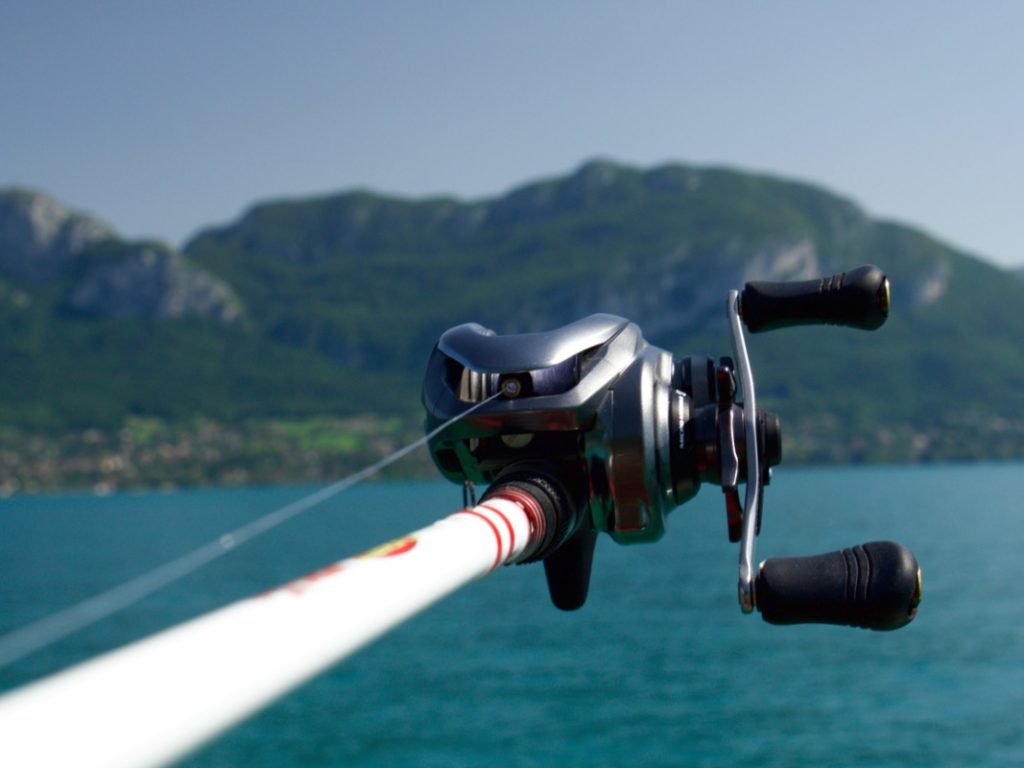
The Metanium DC has been tested on several rods:
- Duckett Micro Magic 7'9" MH Crankin
- Kistler LTX MH 7' Fast
- Deps Sidewinder Venom Fang 6'6 XF
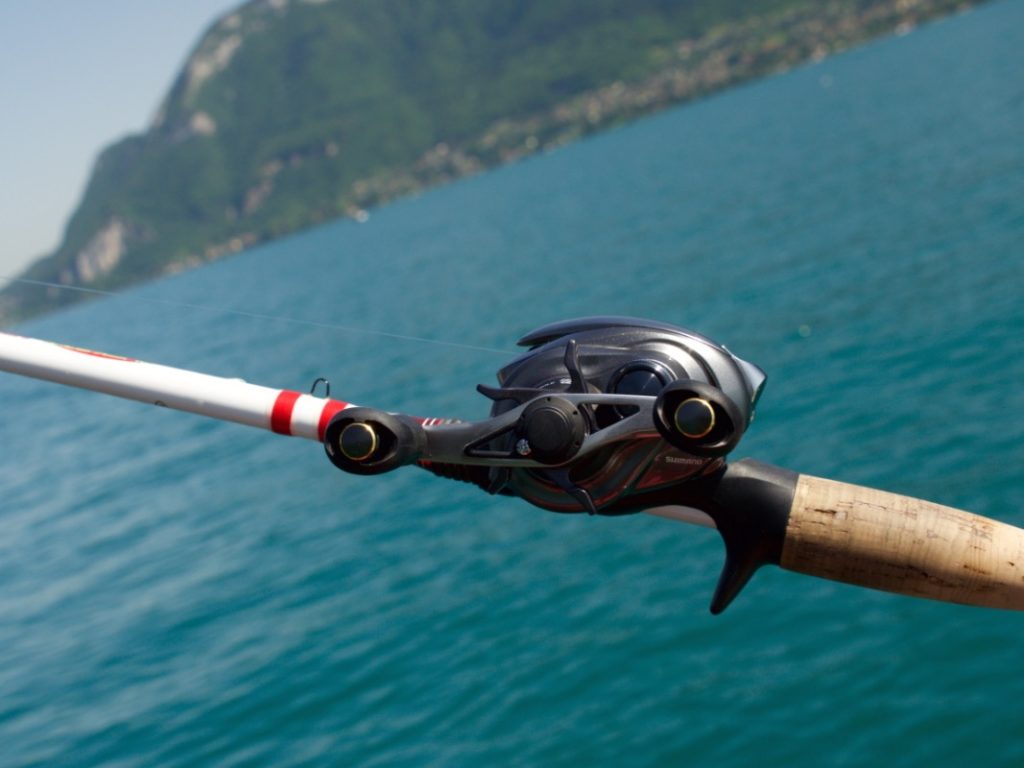
Main text:
- YGK WX 8 PE1.2 braided line
- Nogales Dead or Alive 12lb nylon
On paper, the 15' Metanium DC is the most logical and straightforward option. You can finally adjust the line type independently – a factor that radically alters how the drag works, as the spool behaves differently depending on whether you’re using nylon, braided line or fluorocarbon. Another difference compared to previous versions is that Shimano clearly specifies the recommended range for each setting.
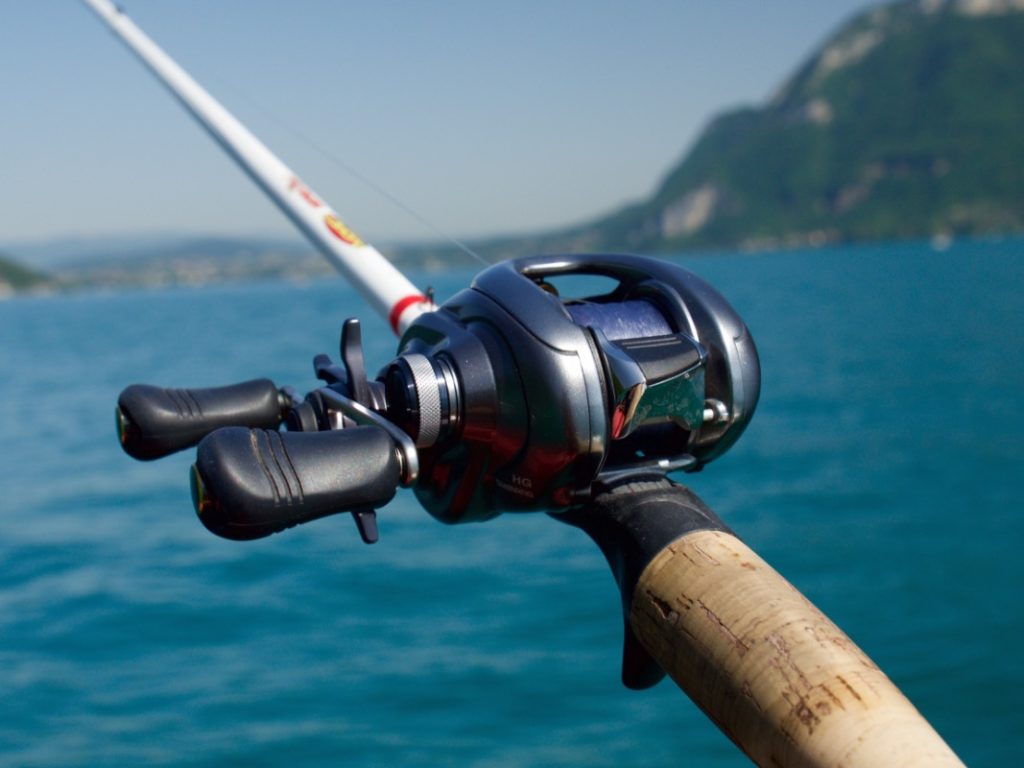

The modes perform as expected and deliver excellent results. Casting distances are really good across all four specialised settings. The Automatic mode is the least impressive in terms of performance. Changing modes is so easy that it’s better to set it to one of the four optimised settings rather than mode A. During test days on Lake Salagou, where the wind was strong, it was sometimes necessary to move up a notch to avoid the line twisting, but for those familiar with the lake, this comes as no surprise given how powerful the wind can be. In standard conditions, I found myself occasionally looking for a few intermediate settings, but overall the settings do the job well. For pitching, mode 4 is recommended. With this type of cast, the reel didn’t particularly impress me. Casting: 8.5/10
The size of the drive wheel is impressive within the frame. The micro module is a fine feat of machining, and the X-Ship ensures smooth operation. I don’t have much to say on this point; it’s pleasant, although I would have preferred a ball bearing instead of the plain bearing (which, incidentally, is very difficult to access).
Sweetness: 9/10
Performance rating: 8.75/10
The Metanium DC is a significant improvement on the Metanium 13'. The Digital Control system proves to be effective and very user-friendly. Just as versatile as the classic model, it offers easier and clearer adjustments than the SVS Infinity. The additional cost of 10,000 JPY corresponds to the price of the DC-equipped sideplate; the interior remains unchanged. Apart from the few details mentioned in the mechanical section, there is little to fault with the Metanium DC.
Overall rating: 8.6/10

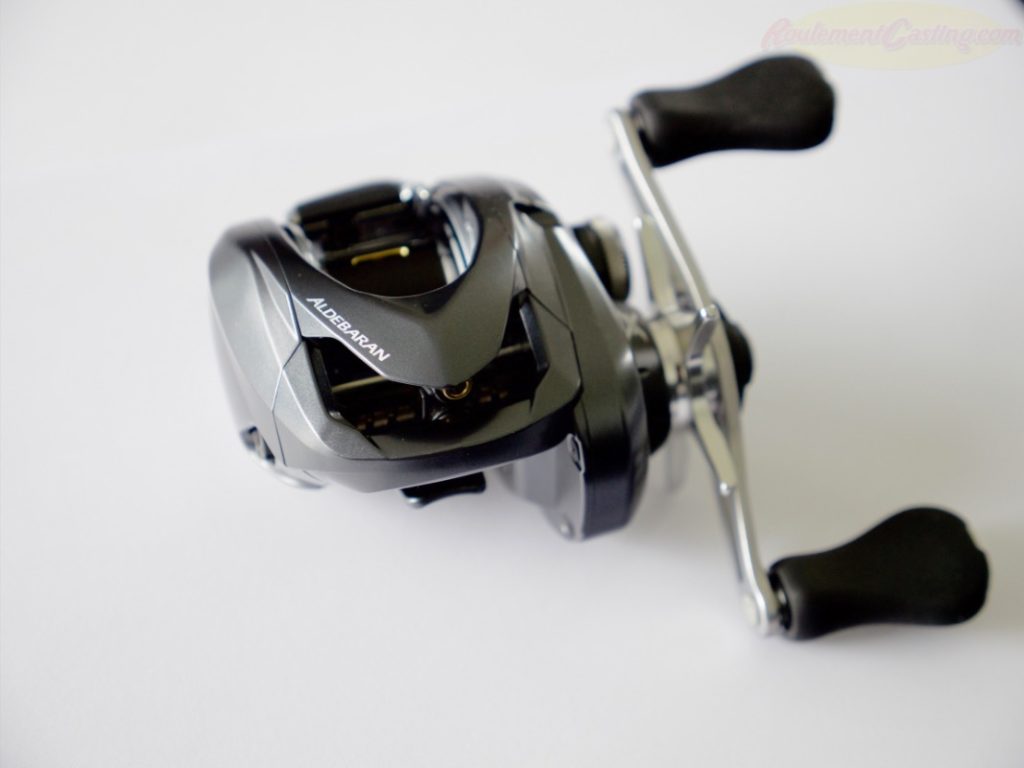
The first version of the Aldebaran, released in 2009, established itself as the benchmark for lightweight lures; the Core 51 is the ‘overseas’ version. Six years later, Shimano Japan has overhauled the Aldebaran piece by piece to make it the lightest reel on the market, weighing in at 135g. Priced at 44,000 JPY (excluding tax) in Japan, the Aldebaran sits at the same price point as the Metanium. We’ll look at the compromises Shimano had to make to achieve this featherweight design, followed by the general feedback from users in the field.
[custom_table]
| Model | Aldebaran 51HG |
|---|---|
| Ratio | 7.4:1 |
| Recovery | 74 cm |
| Weight | 135 g |
| Reel weight | 11 g |
| Bearings | 9 S A-RB + 1 |
| Crank length | 85 mm |
| Brake | 4.5 kg |
| Capacity | 10lb–100m |
| Country of manufacture | Japan |
| Retail Price in Japan | 44,000 JPY (excl. VAT) |
| US retail price | US$419.99 (excl. VAT) |
| Publix France Prices | ND |
[/custom_table]
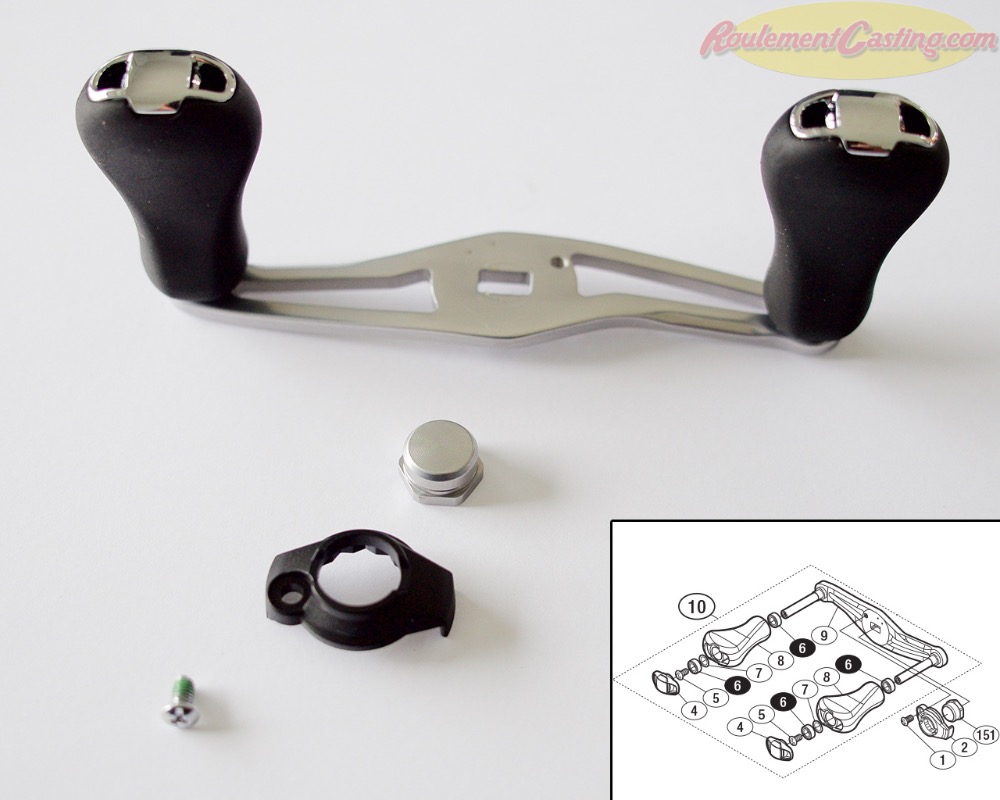
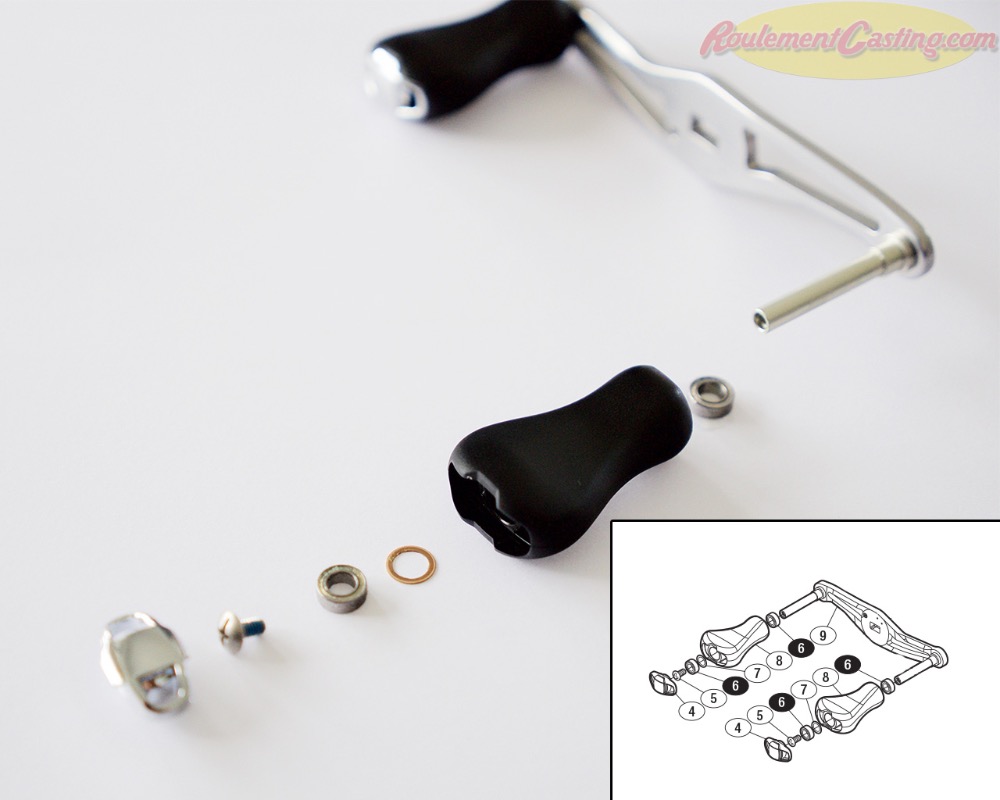
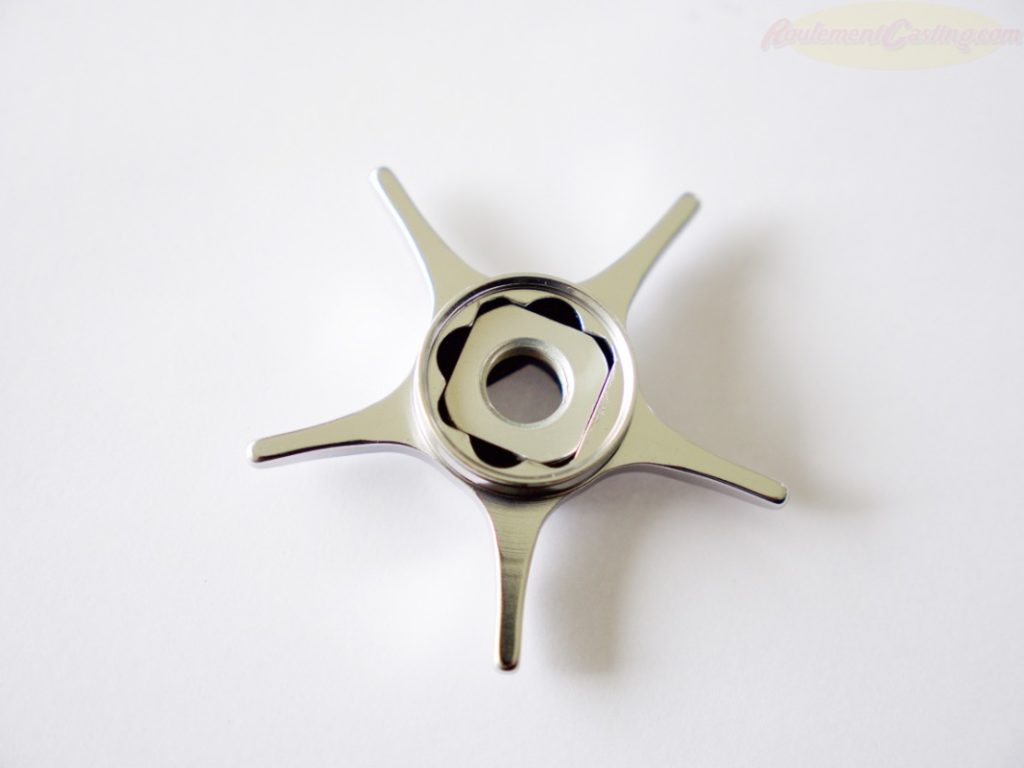
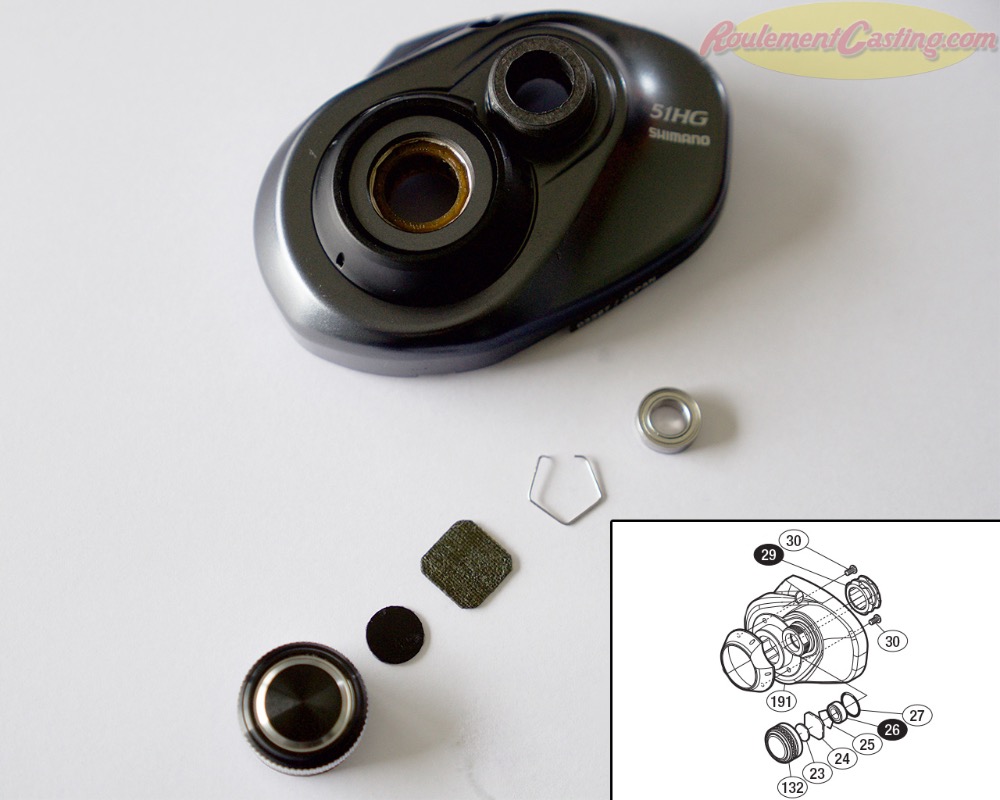
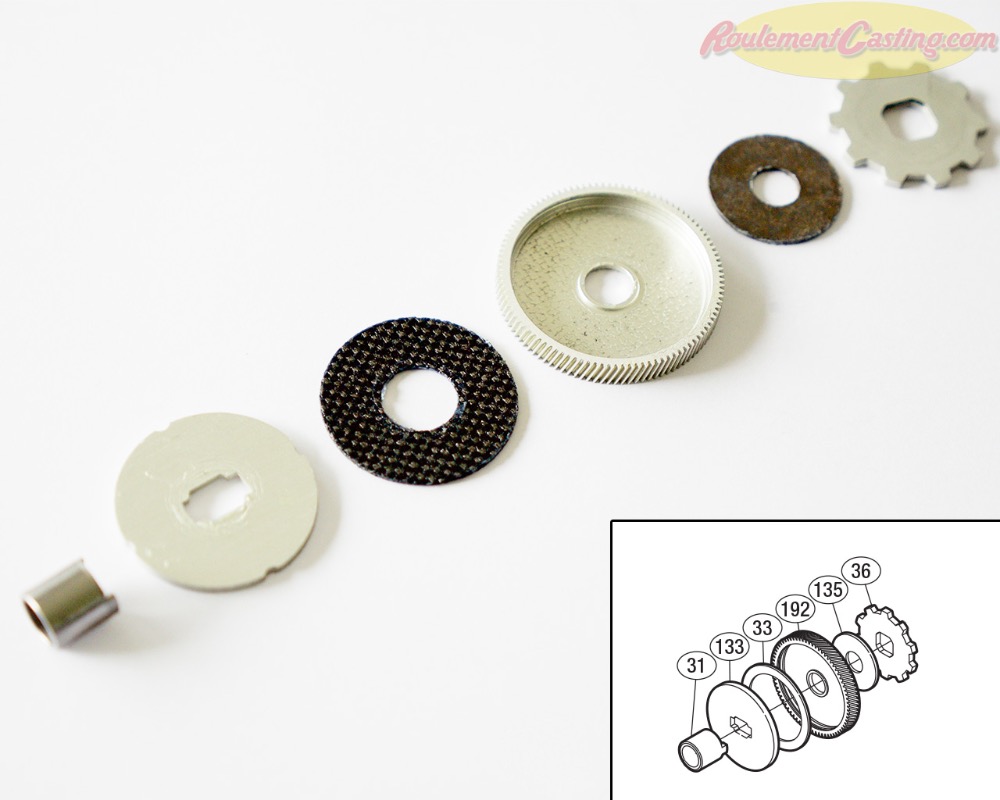

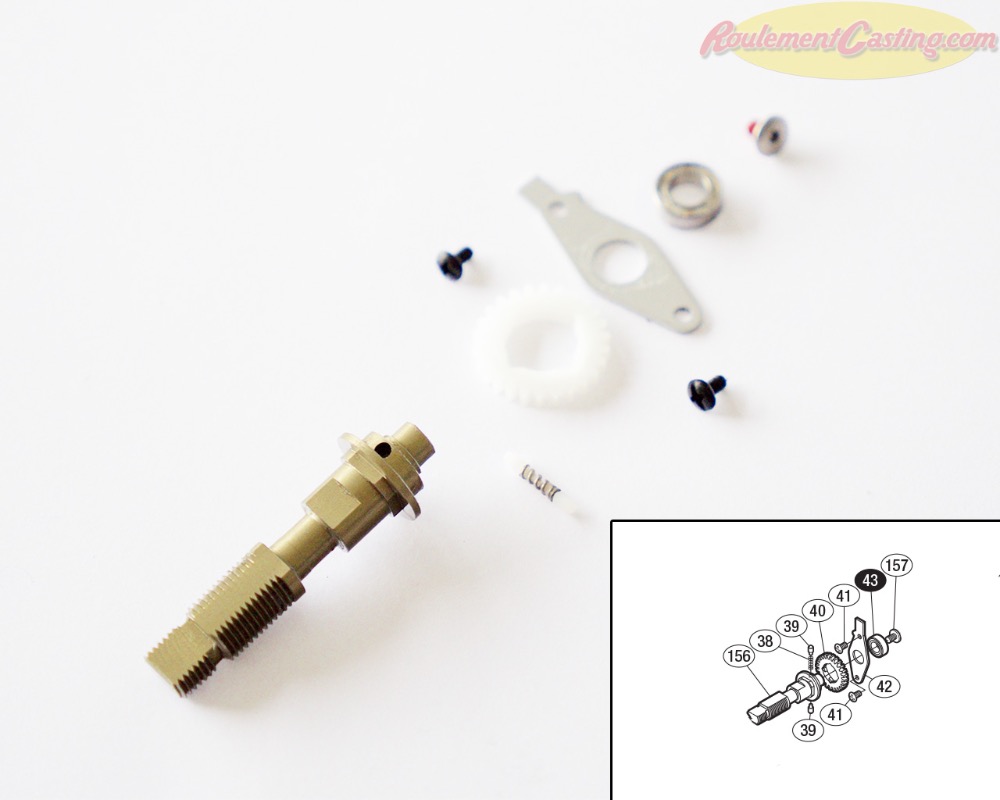
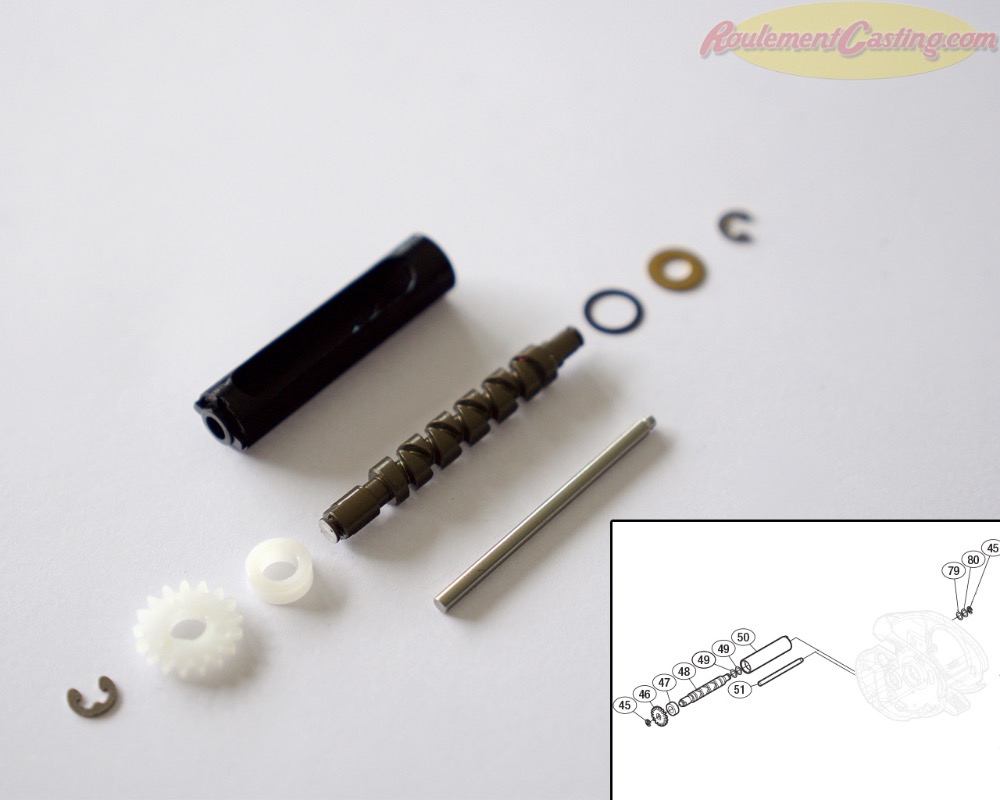
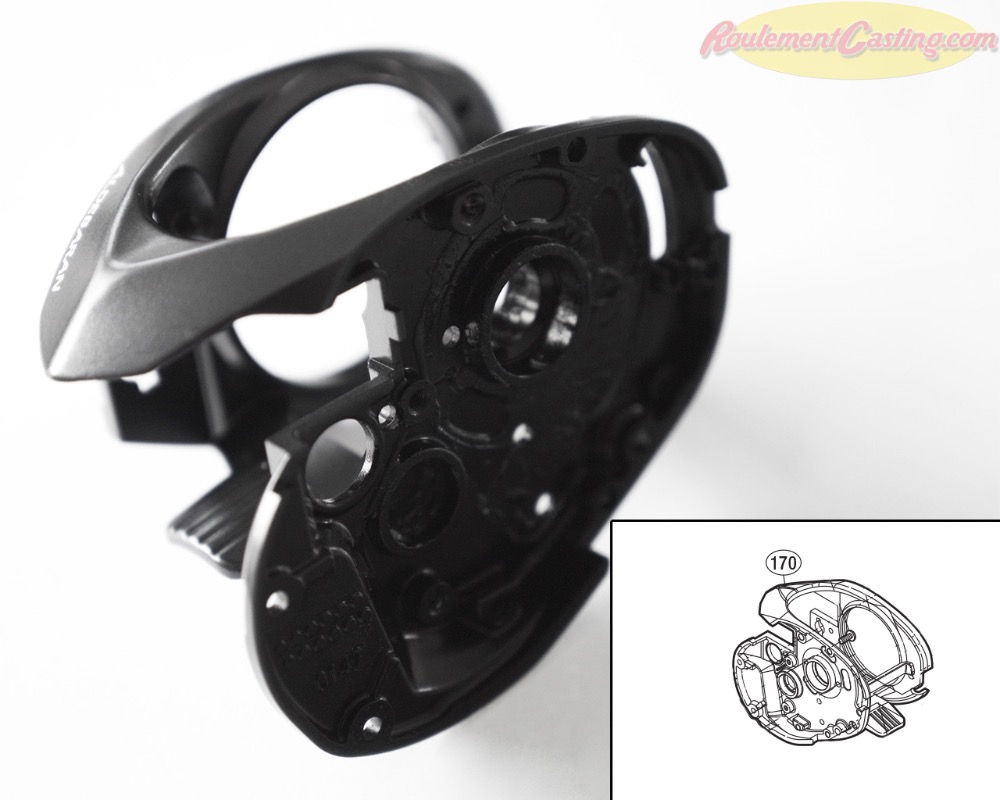
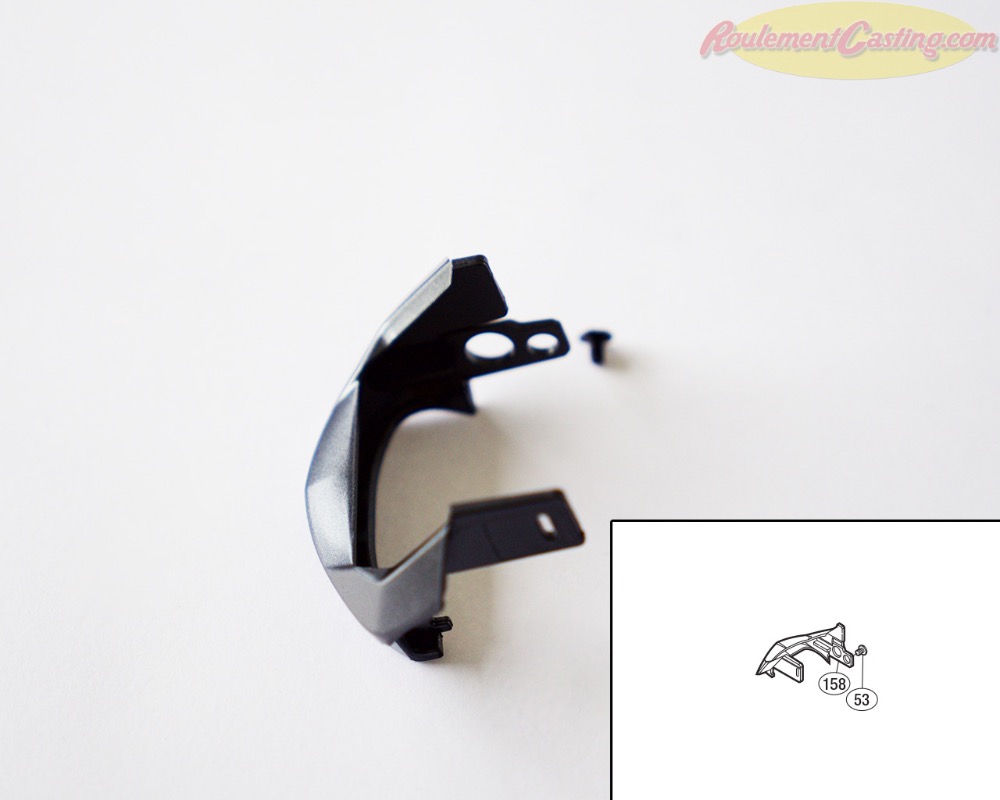
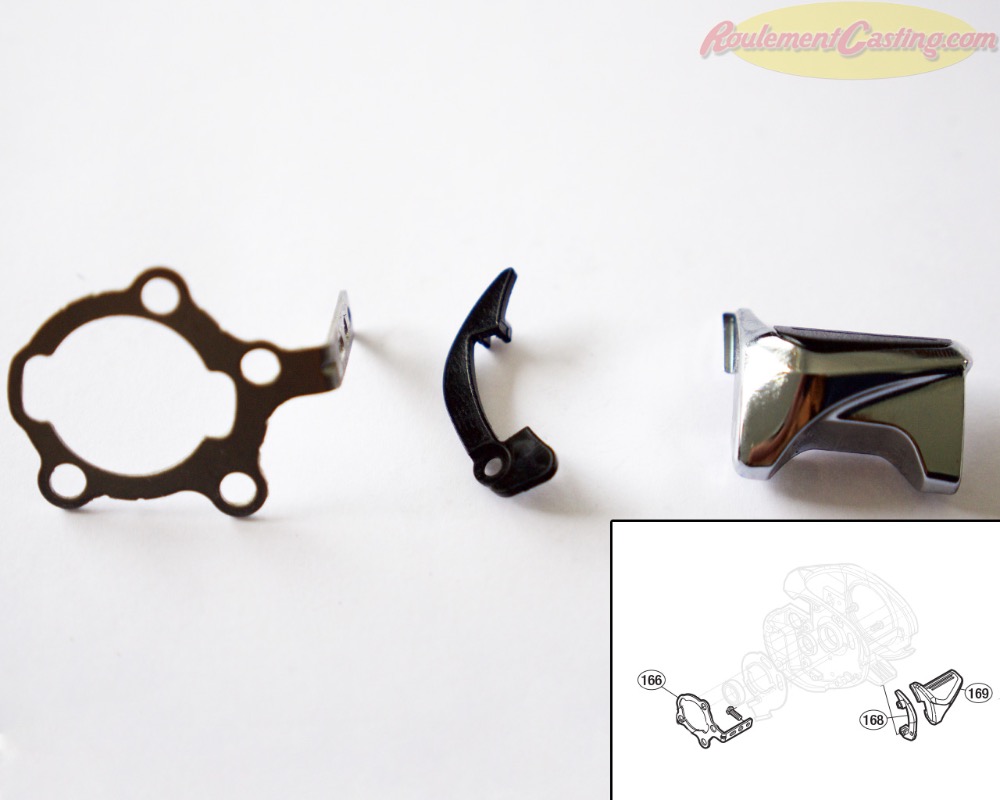
The 2015 Aldebaran features the latest Shimano grips (Knobs), currently available only on this series and its BFS LIMITED version. Flatter than standard Shimano grips such as the Technical Grip, they are very light and comfortable. The aluminium handle is beautifully crafted, reminiscent of a custom model such as the AVAIL Offset, but made from an alloy lighter than Duralium. It is probably less durable, but this shouldn’t be an issue for the light fishing for which it is designed. Fitted with four bearings, which is a welcome feature, the handle is among the very best in its class.
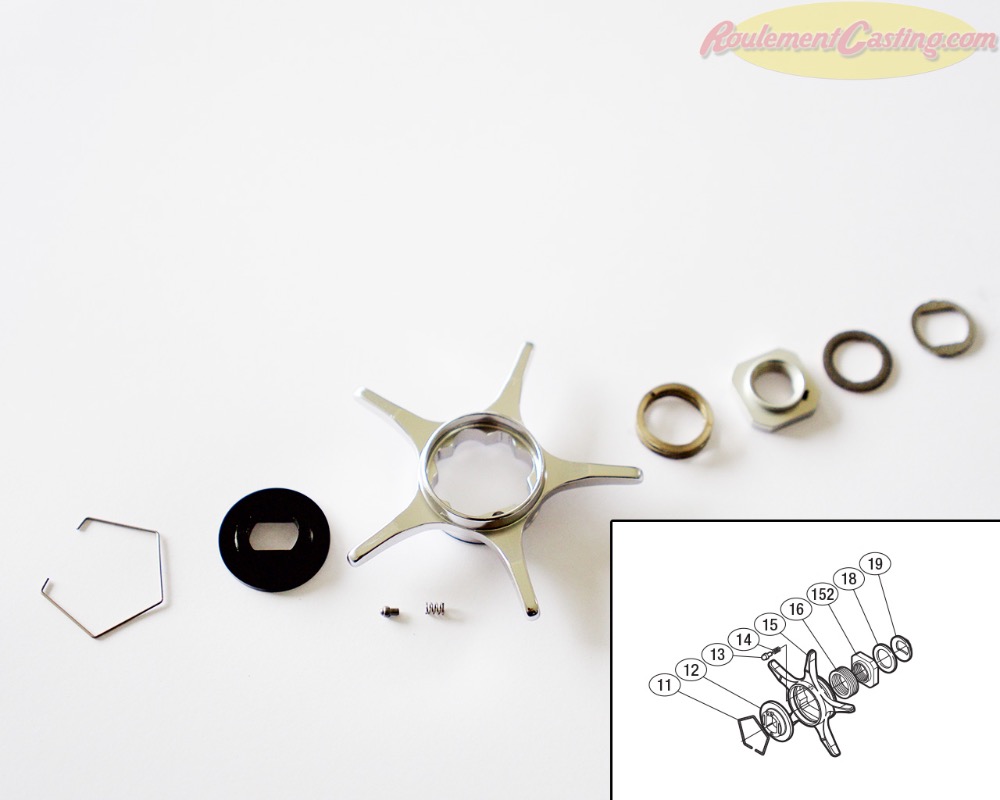
The brake star is made of aluminium; you can see that the inner part is hollowed out, and part No. 12 is also machined and hollowed out. The brake star is noisy (ratchets) like the vast majority of reels in this range. It is a pity that there is no bearing between part No. 19 and the roller bearing (No. 29).
The friction brake knob, however, is not micrometric, which is a slight disappointment. In a move that is rare, if not unprecedented, for Shimano, bearing No. 26, located in plate No. 191, does not support the spool but simply the sprocket (No. 193); it is one of the two bearings that make up the X-Ship and keep part 193 perfectly aligned.
For the Shimano brake system, Shimano Japan opted for a carbon washer (No. 33) in the drive wheel (No. 192); it is disappointing to find a conventional washer under the wheel. This part is easy to replace, but it is a shame not to have a fully carbon brake as standard. The drive wheel is, as on the first generation of Aldebaran MG, made of aluminium. Whilst doubts were raised in 2009 regarding the lifespan of aluminium gears, time has shown that for the light fishing for which the Aldebaran is designed, this is not a drawback. Part No. 36 appears to be made from a different alloy to that usually used by Shimano for this component, in order to reduce weight.
Whilst the use of plastic for parts 160, 161 and 162 is standard practice among all manufacturers, this is less common for part No. 164. Made from a very hard plastic, it is reinforced by the metal part No. 163; it is this metal component that comes into contact with wheel No. 36 to engage the clutch. It remains to be seen how it holds up over time, but the materials don’t feel cheap, which is reassuring.
The shape of the crank shaft is similar to that of the shaft on the new Conquest 14’/15’ models. The Aldebaran 15′ also features a protection system first introduced on the Calcutta 13′ 301 and 401 models; parts No. 39, secured to a spring (No. 38), allow this shaft to disengage from the wheel (No. 40) should the line guide become jammed (e.g. by a finger or debris). This mechanism helps to protect the plastic spools. Shimano Japan has not publicised this feature, even though it is one of the Conquest’s key selling points.
As for the line guide section, the protection system allows for the use of a thinner spool (No. 46), similar to the one used on the New Conquest models. The disappointment lies in the use of a plastic bearing (No. 47) instead of a ball bearing. However, it can easily be replaced with a ball bearing R5
The oversized, tapered guide rail has been designed for maximum weight reduction, but the most significant change is the use of a plastic gear (No. 56) instead of the traditional metal one. It may be less abrasive on the worm gear (No. 48); only time will tell.
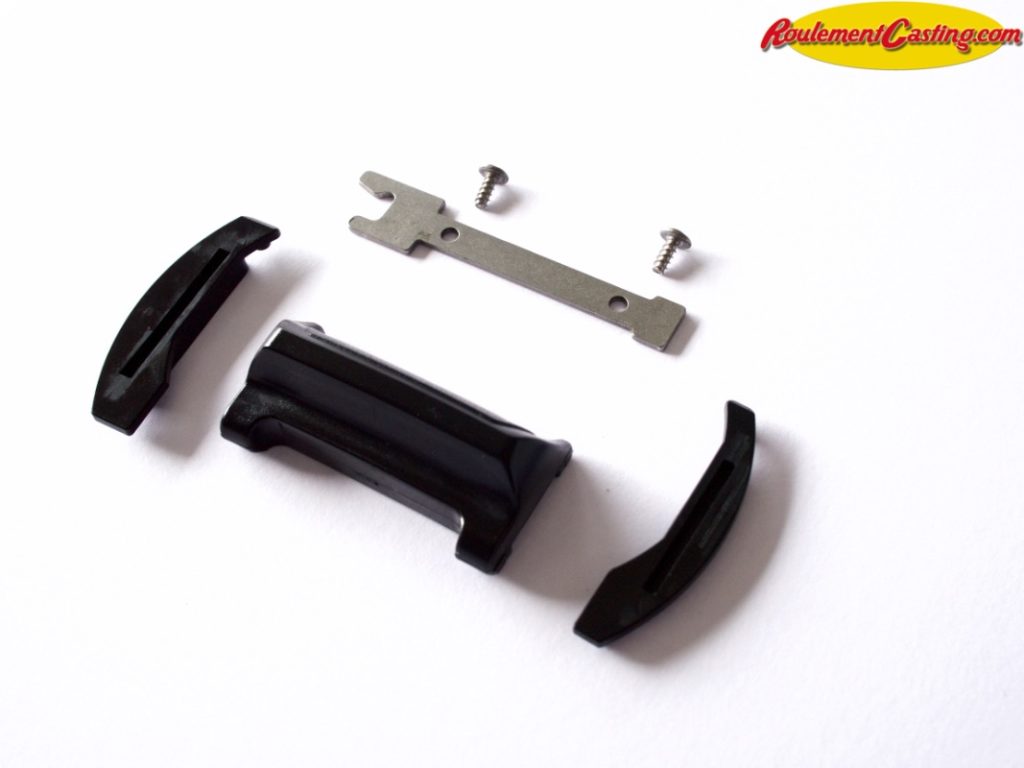
The frame itself is very light and hollow. On the left-hand side, there is a large opening designed to accommodate part No. 158. This part clips into place on the left and is secured with a screw on the right; there is a slight gap on the left-hand side, so the seal could be better. The biggest flaw of the Aldebaran 51HG is this part 158, which is too flexible and fixed rather loosely. When in use, if you tend to rest your index finger on this part of the reel, you will feel some play, giving an impression of cheapness that is inconceivable for a reel in this price range.
The trigger is the same as on the latest Shimano models, such as the Metanium 13′; the new feature is the tooth located on the left-hand side of the trigger, which runs between part No. 158 and the frame to better guide the movement, whereas previously the trigger simply slid over part 168.
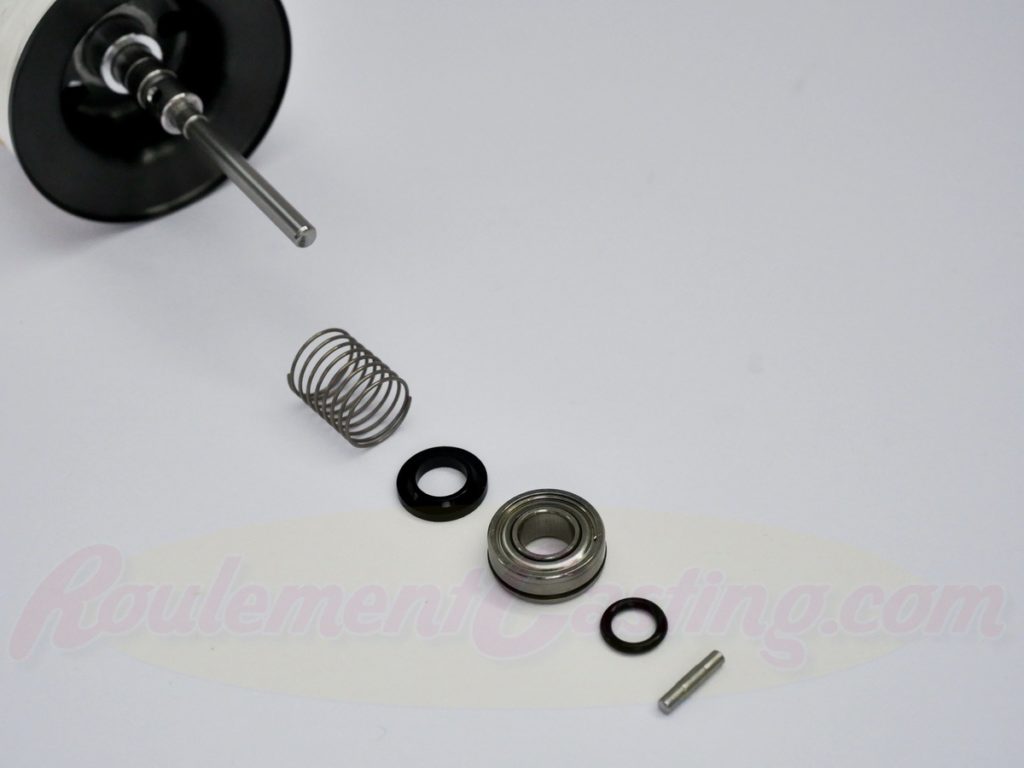
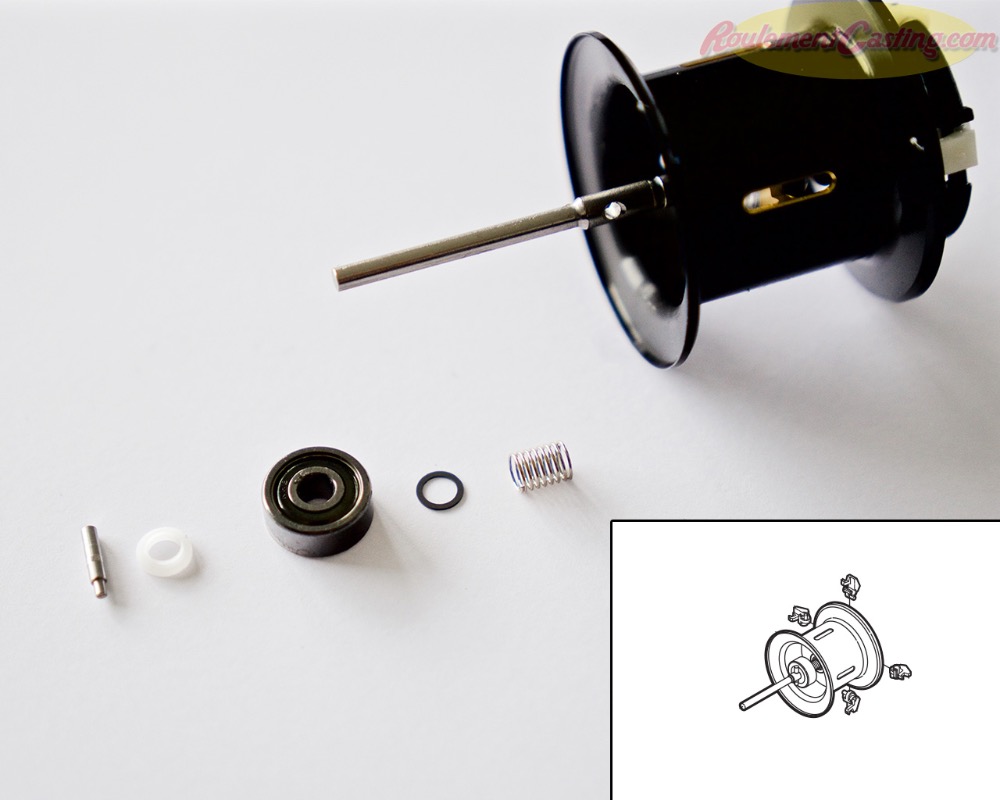
Finally, the spool and Shimano’s latest innovation – currently exclusive to the Aldebaran 15′ – the SILENT TUNE. The idea is very simple: to insert a spring between the spool and the bearing on the shaft in order to limit the spool’s lateral movement when the drag is released.
Mechanics score: 7/10
Overall, the Aldebaran is well-built with minimal play and a reasonable number of bearings for its price range; however, the use of plastic for certain parts, the flimsiness of the screws and, above all, part No. 158 justify this rating.
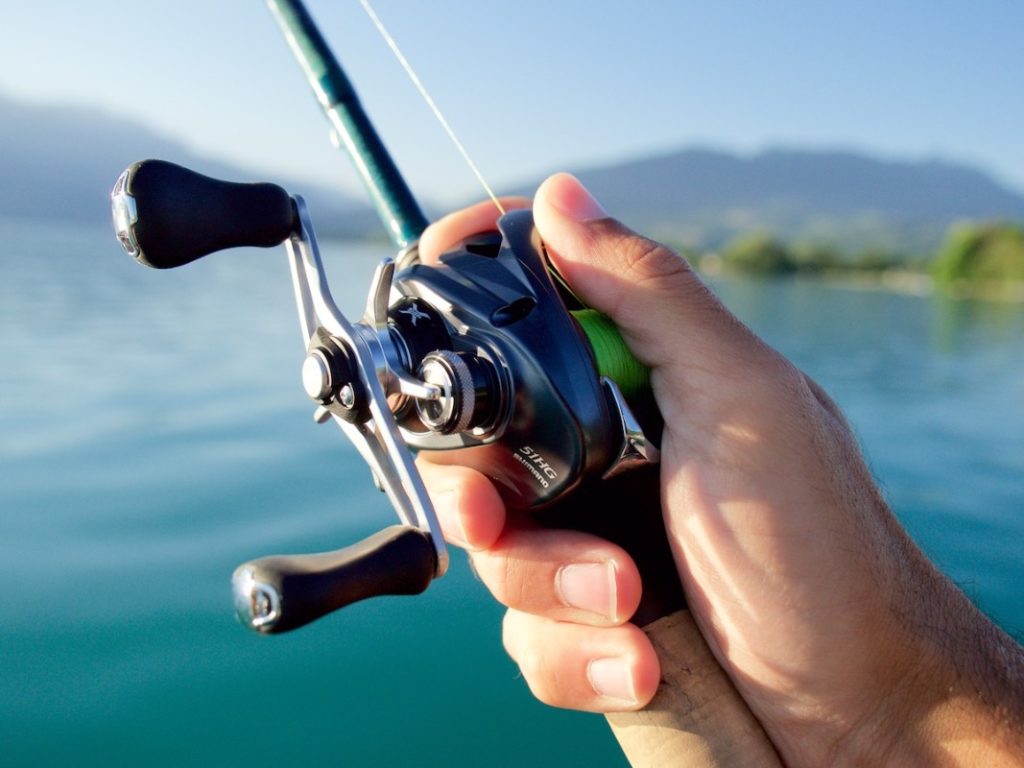
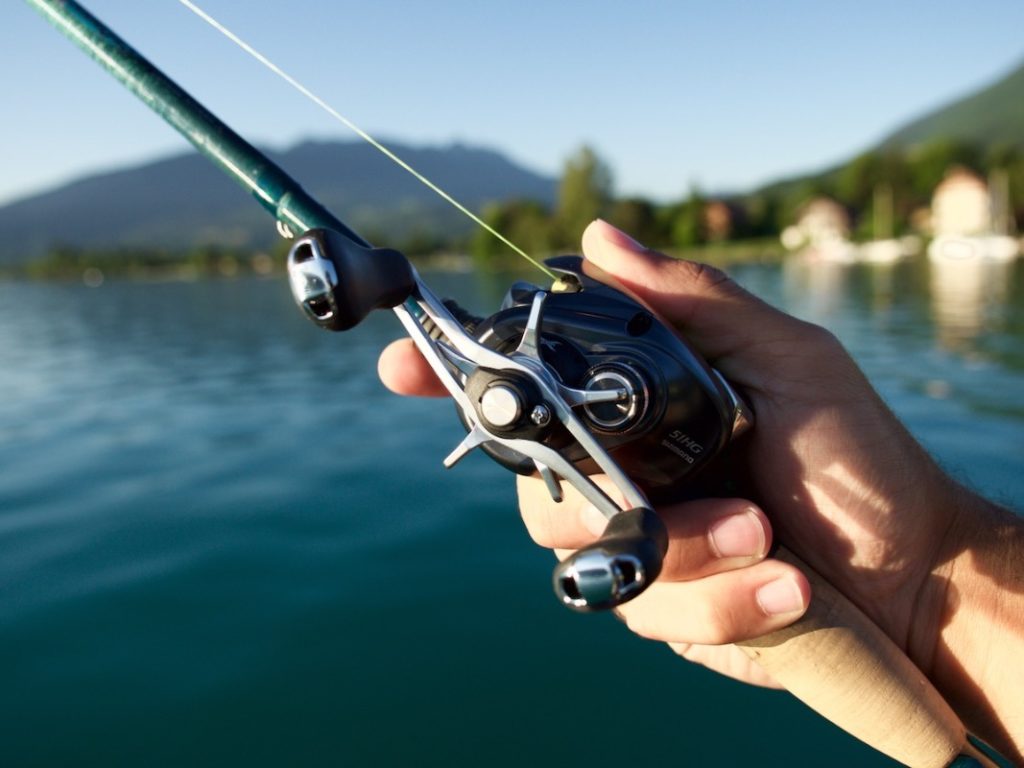
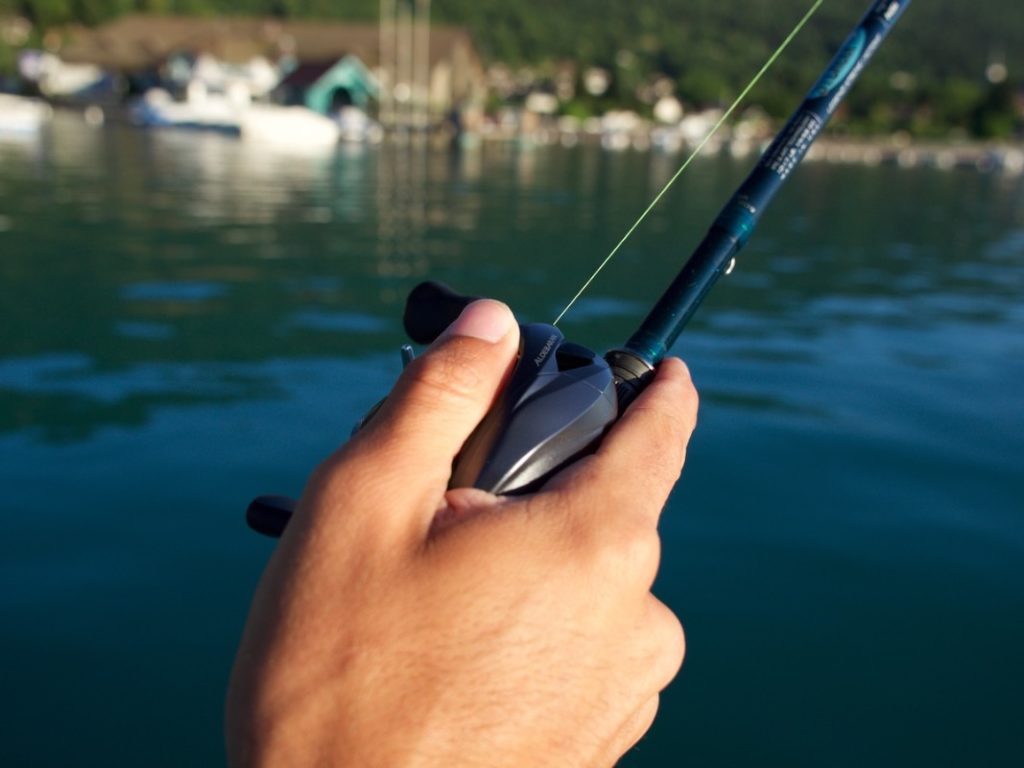
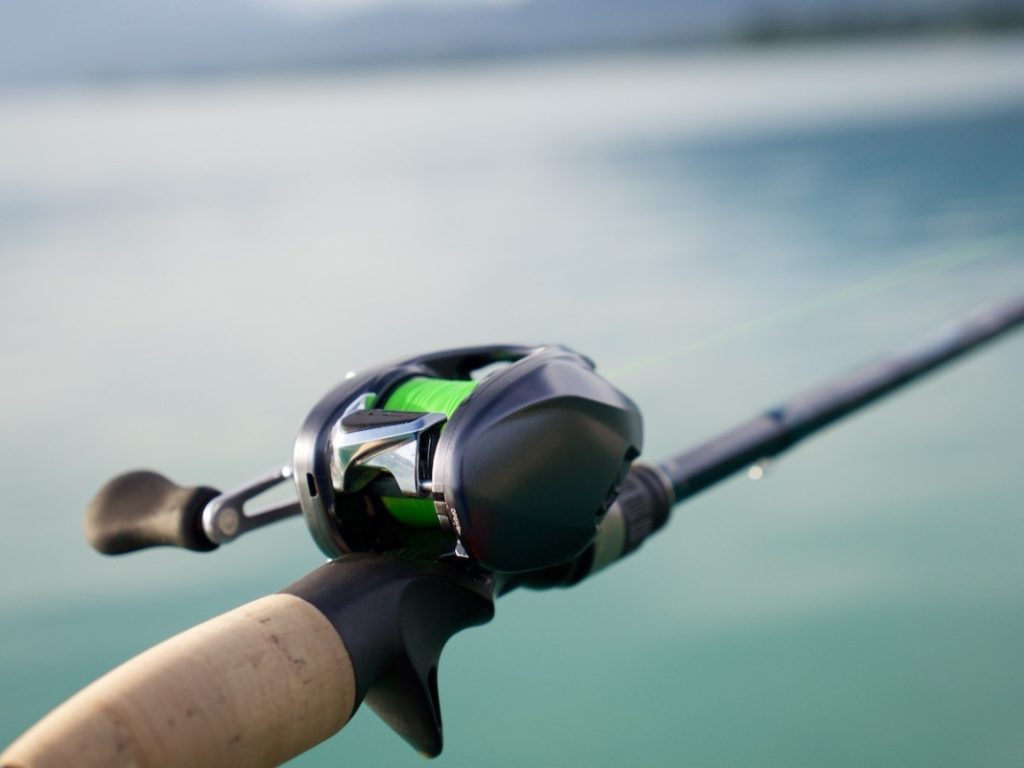

The first thing that strikes you when you pick up the Aldebaran 51HG is its weight. It feels a bit unsettling, as if you’re holding an empty reel. This 51-size model is very compact, even smaller than a Metanium. The body is beautifully crafted and, although compact, its position on the rod makes it very comfortable to hold, even for relatively large hands. The top is shaped to accommodate the thumb, which is particularly welcome and contributes to the Aldebaran’s excellent ergonomics.
The trigger, meanwhile, is positioned high up and falls very naturally under the thumb. The handles are lightweight without the plastic feel of some models. They are surprisingly flat for a Shimano reel, but the shape is well designed. Combined with a slightly offset 85mm handle, the whole reel is very comfortable to use. As for the SVS Infinity, accessing the external drag knob is easy and can be done quickly without any hassle; however, opening the sideplate is trickier once the reel is mounted on the rod. The sideplate is not attached to the frame in order to save weight by removing the bar, at the expense of stability when handling the reel above the water. Ergonomics rating: 9/10
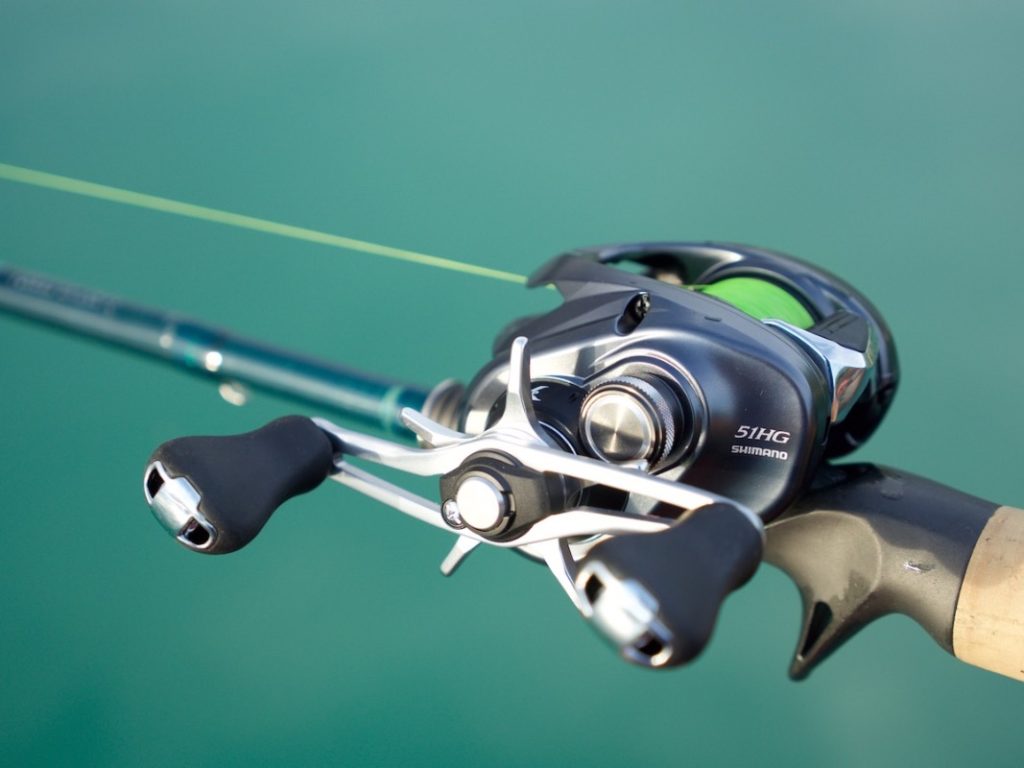
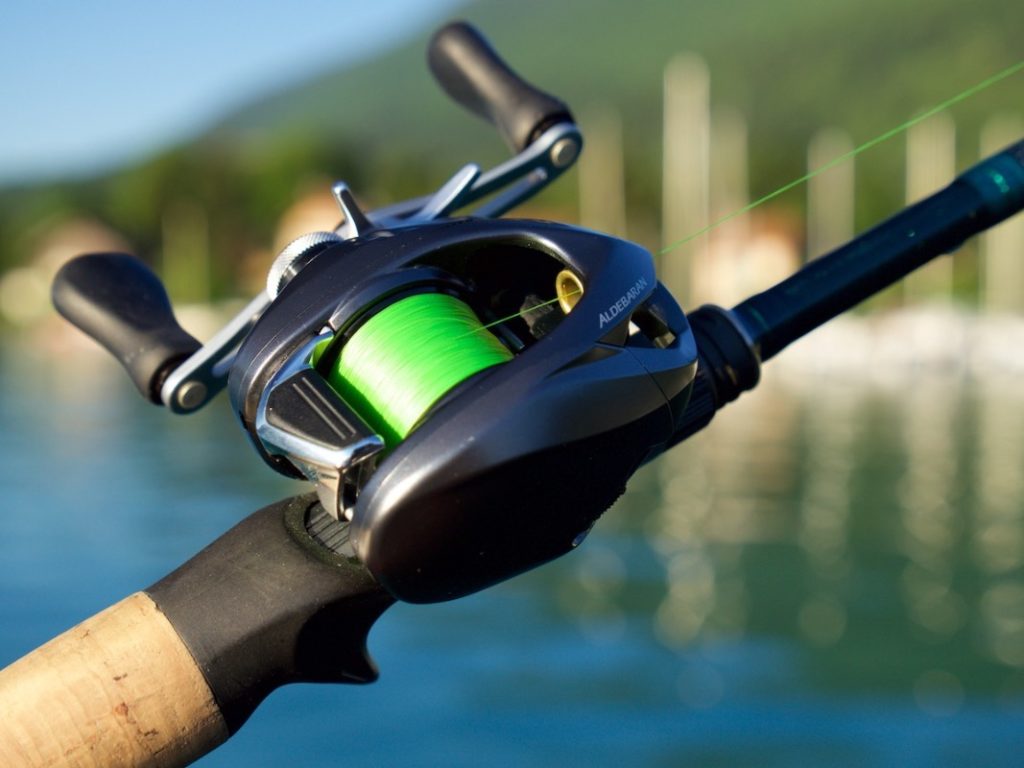
The Aldebaran was tested on a St Croix Legend Extreme XC70MF rod (7’ Medium Fast). The rod and reel combination weighs in at 240g, making it a real pleasure to use. The smooth retrieve makes the reel a joy to use, even with MR and DR crankbaits. The reel’s light weight further enhances overall sensitivity for touch-based fishing, and its manoeuvrability is incredible. It was tested with YGK WX 8 PE1 braided line and Toray Bawo 6lb nylon.
The Aldebaran is a reel designed for light fishing. This new version performs very well with lures weighing between 3 and 10g; above 10g, performance is a little disappointing – whilst it’s still decent, I find it falls short of the previous generation. It is precisely its role to be a ‘Metanium Light’, but what we gain in the lower weight range is somewhat lost in terms of versatility compared to the Core 51/Aldebaran MG. More focused on finesse than the previous generation, the Aldebaran 51HG also requires more adjustment. Indeed, the SVS Infinity needs to be regularly adjusted according to the lure to achieve optimal performance; this is particularly true given the lightness of the 51HG’s spool, whereas the SVS on the MG/Core 51, with its two counterweights, adapted to the vast majority of situations. These adjustments are no trouble at all when they can be made simply using the external dial; however, it is more of a faff when you have to add a counterweight. During the test, most situations were handled using a single counterweight and by adjusting the settings from 3 to 6.
As for the brakes, they’re powerful and responsive – there’s nothing to complain about.
Sweetness: 9/10
Rating: 7.5/10
Performance rating: 8.25/10
The Aldebaran 51HG is a real pleasure to use thanks to its weight and flawless ergonomics. Suitable for use on L to M rods, it can also be fitted to a very light MH rod for sensitive fishing. The build quality is solid, although the 158 model is a little too flexible. It clearly fills a gap in the Shimano range between the Aldebaran BFS and the Metanium. More specialised than the previous version, it performs better with light lures but falls slightly short at the upper end of the spectrum.
Overall rating: 8/10
You can easily improve the quality of the ball bearings by replacing them with the bearings Hybrid Ceramic ABEC5.
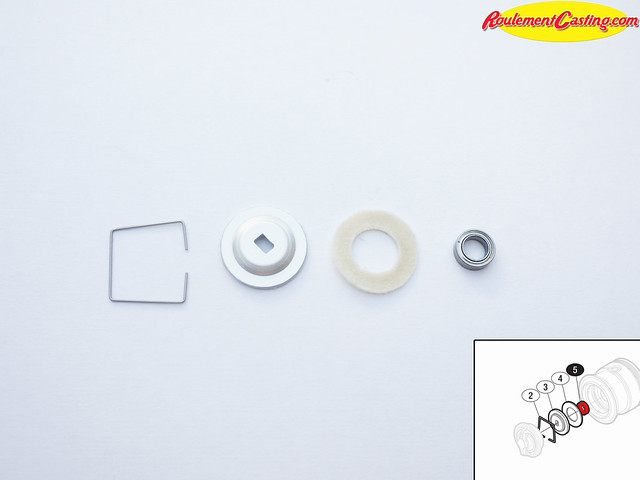
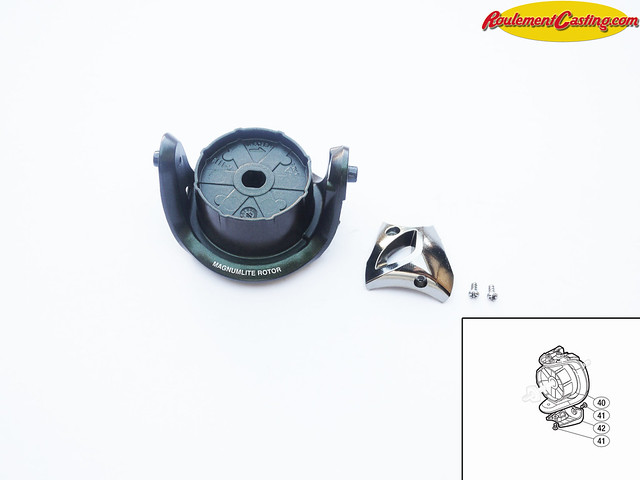
Brake alignment (part no. 4): Carbontex Shimano S#3
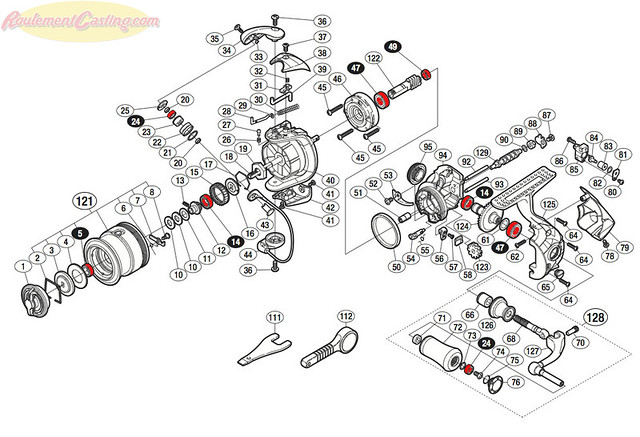
Bearing No. 5 specifications: R20
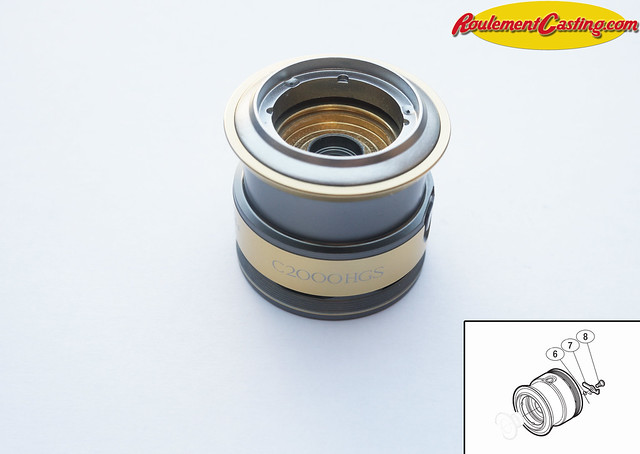
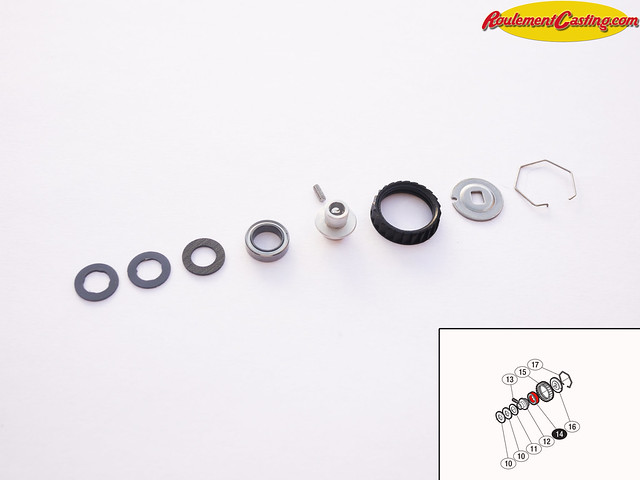
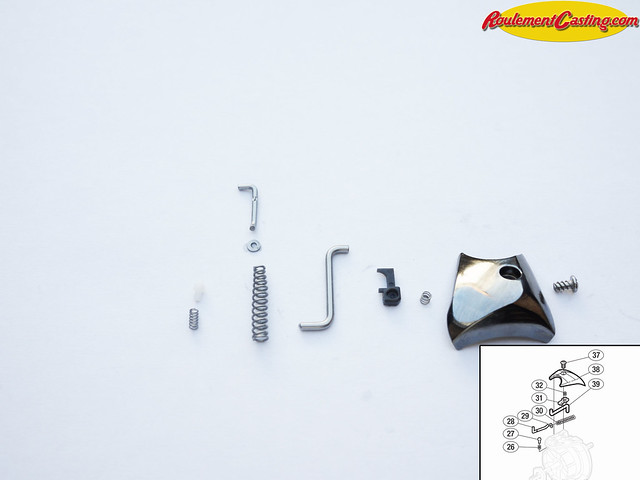
Note: A 0.9 mm Allen key is required to unscrew part no. 13.
Bearing No. 14:R19
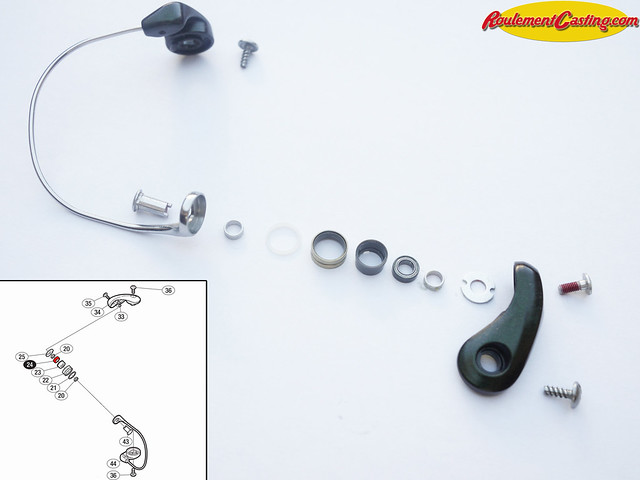
Bearing No. 24: R5
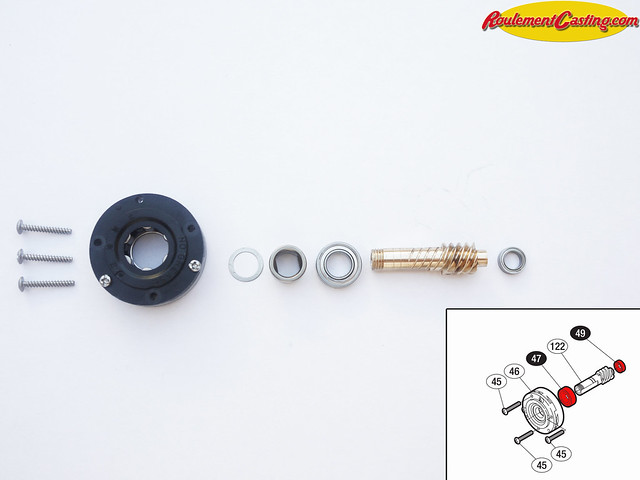
Bearing No. 47: R18
Bearing No. 49: R7
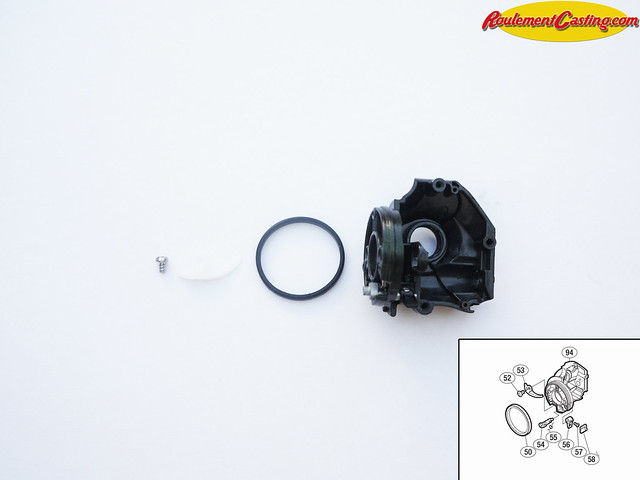
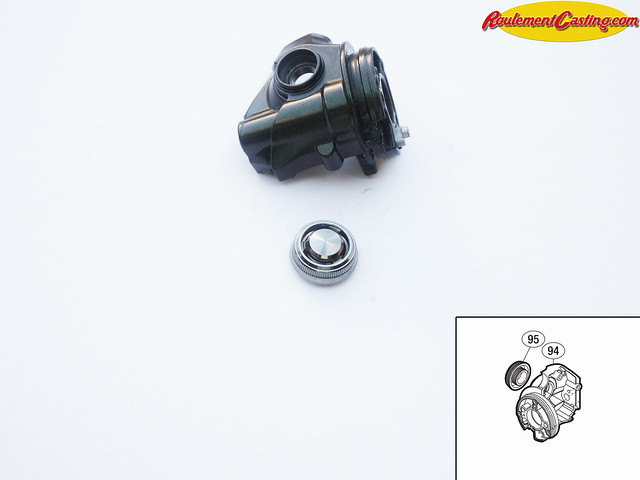
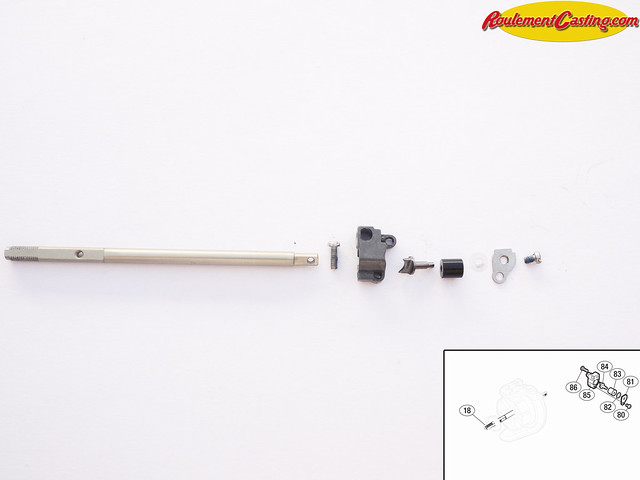
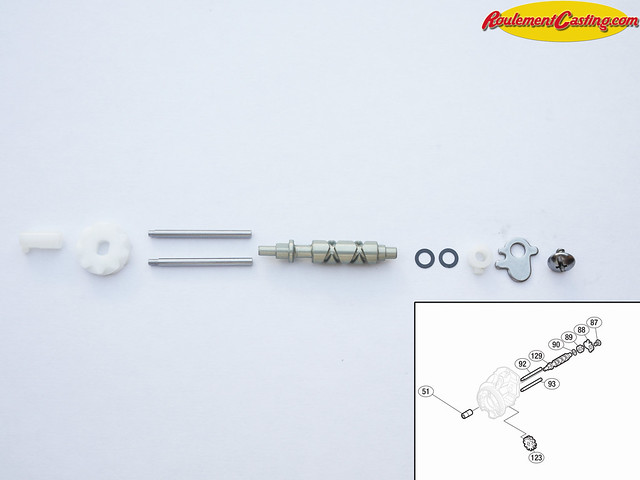
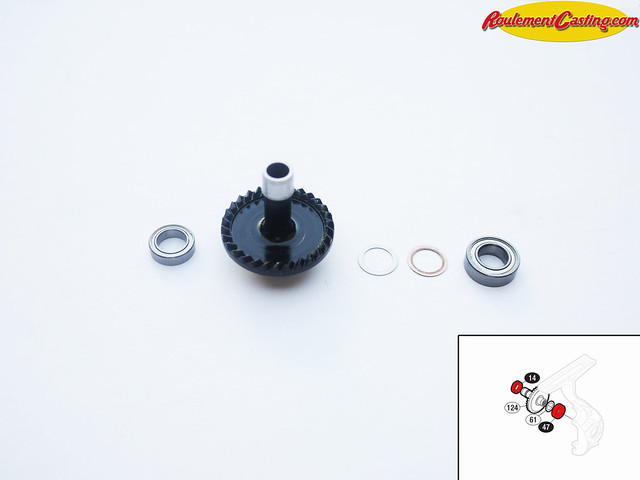
Bearing No. 14: R19
Bearing No. 47: R18
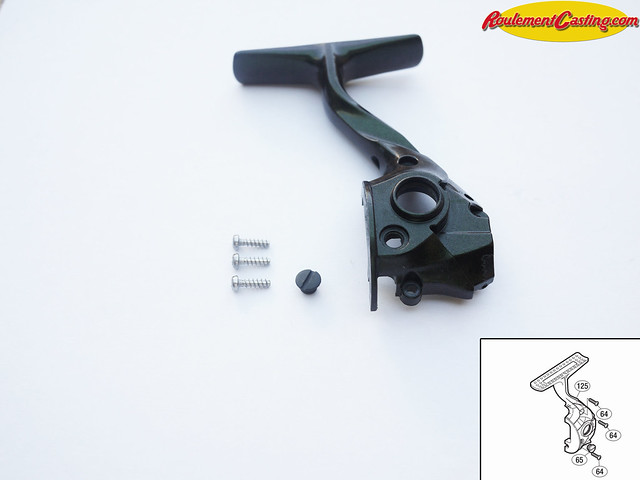
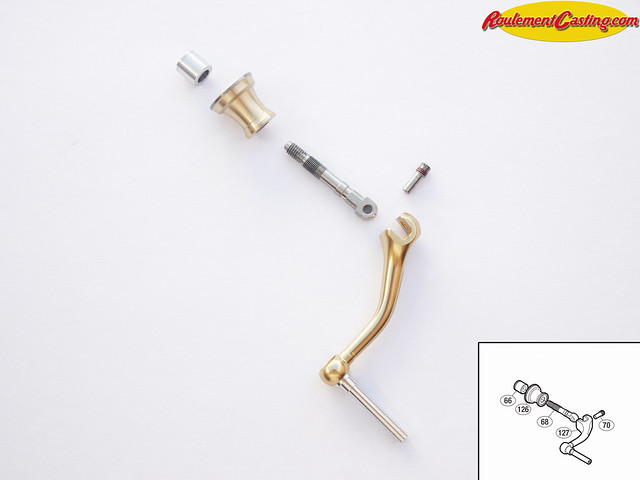
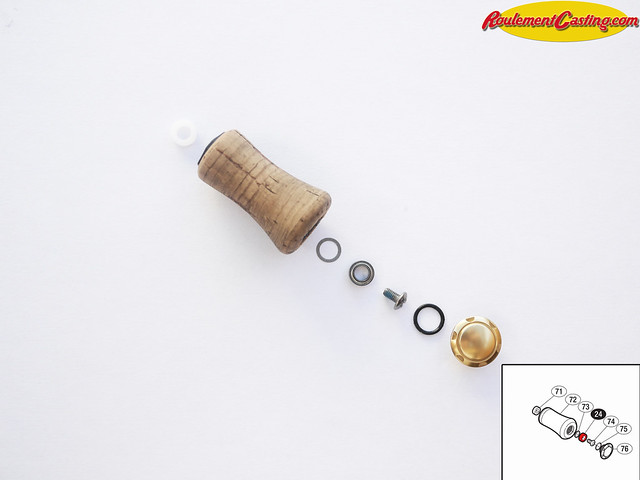
Bearing No. 24: R5
Plastic bearing No. 71 can be replaced with a ball bearing R5
We’re going to look at how to quickly and easily replace the original ball bearings on a Shimano CHRONARCH CI4+ with hybrid ceramic bearings to significantly improve its performance.
You can find our selection of parts for your Shimano CHRONARCH CI4+ 151 on the following page:
Shimano CHRONARCH CI4+ 151 Upgrade
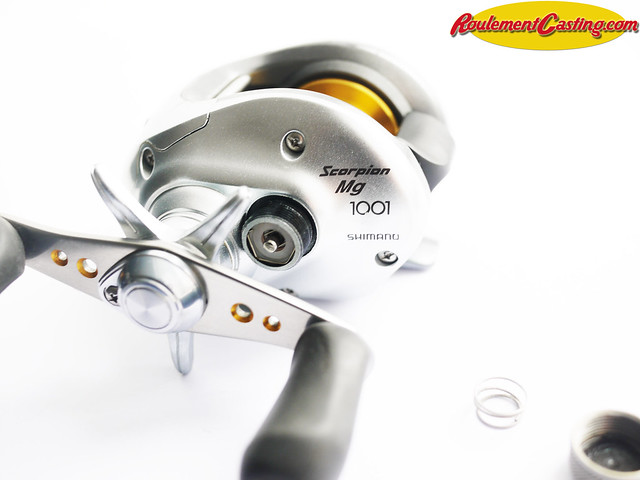
We’re going to look at how to quickly and easily replace the two original ball bearings that support the spool on a Shimano Scorpion 1001 MG with hybrid ceramic bearings.
You can find our selection of parts for your Shimano SCORPION 1001 MG on the following page:
Shimano SCORPION 1001 MG Upgrade
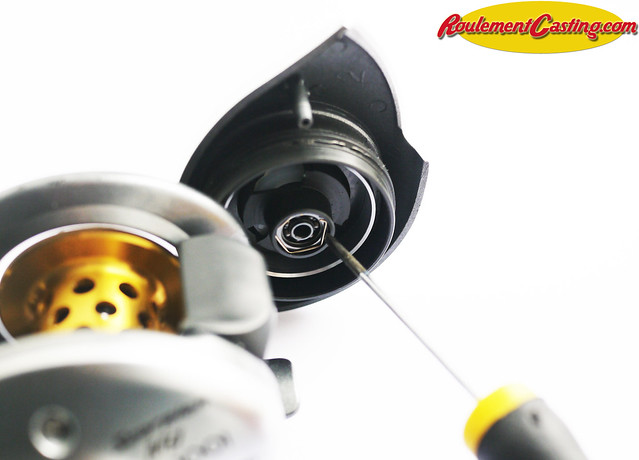

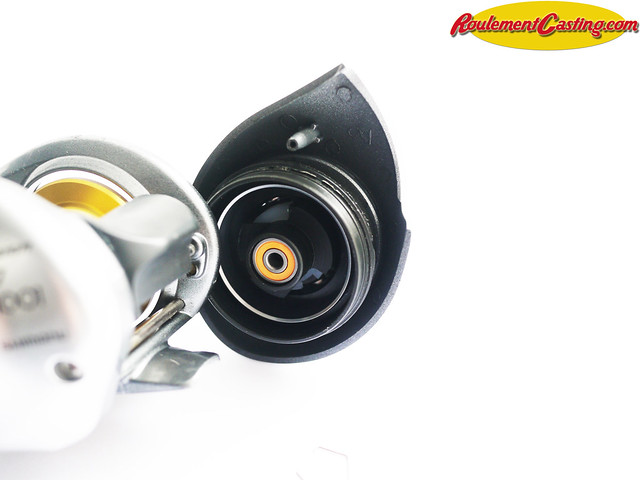
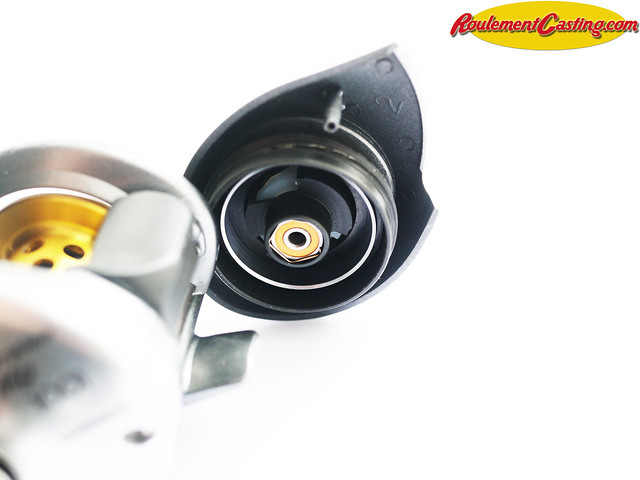
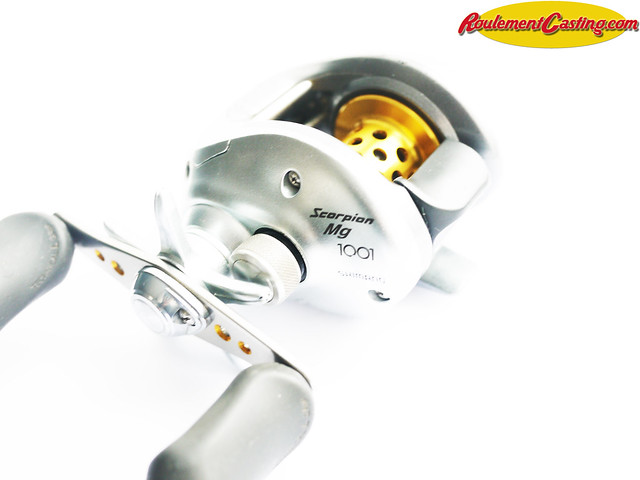
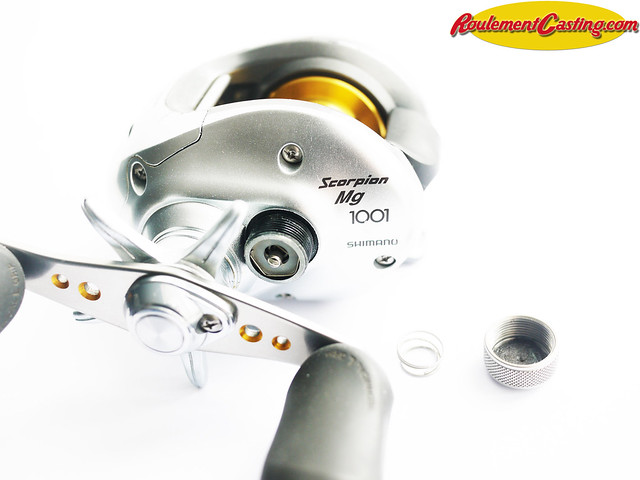
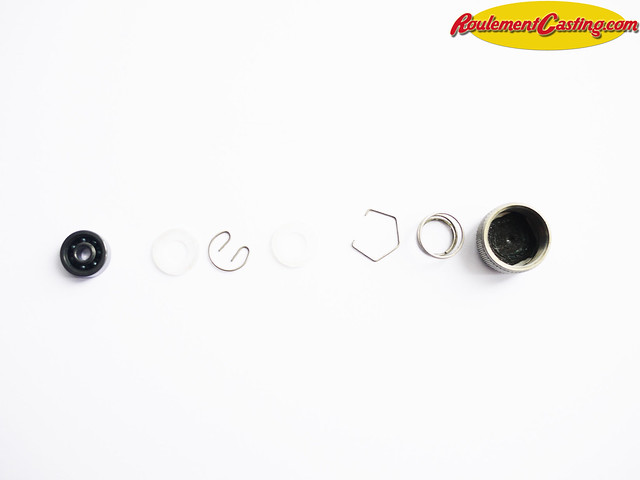
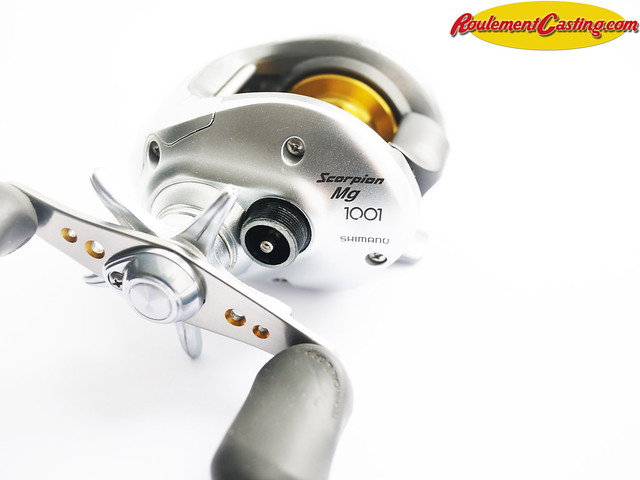
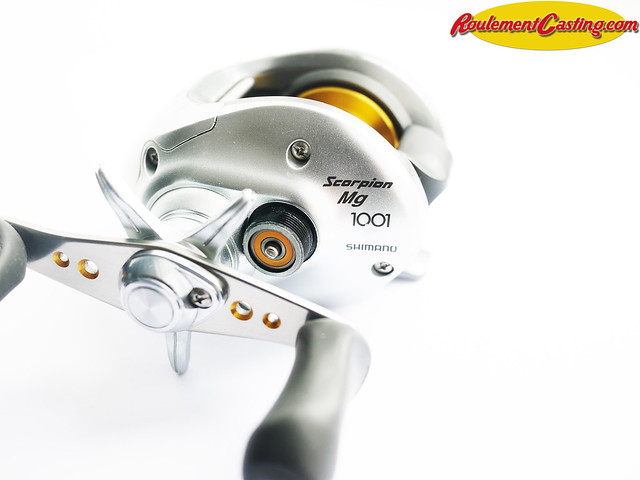
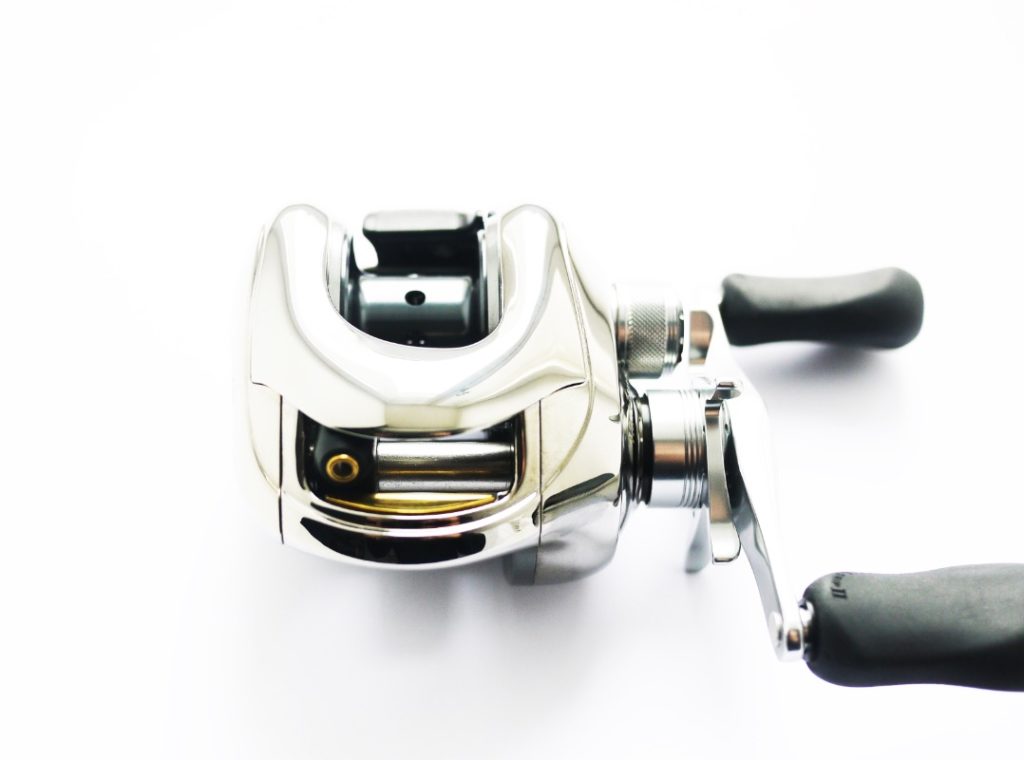
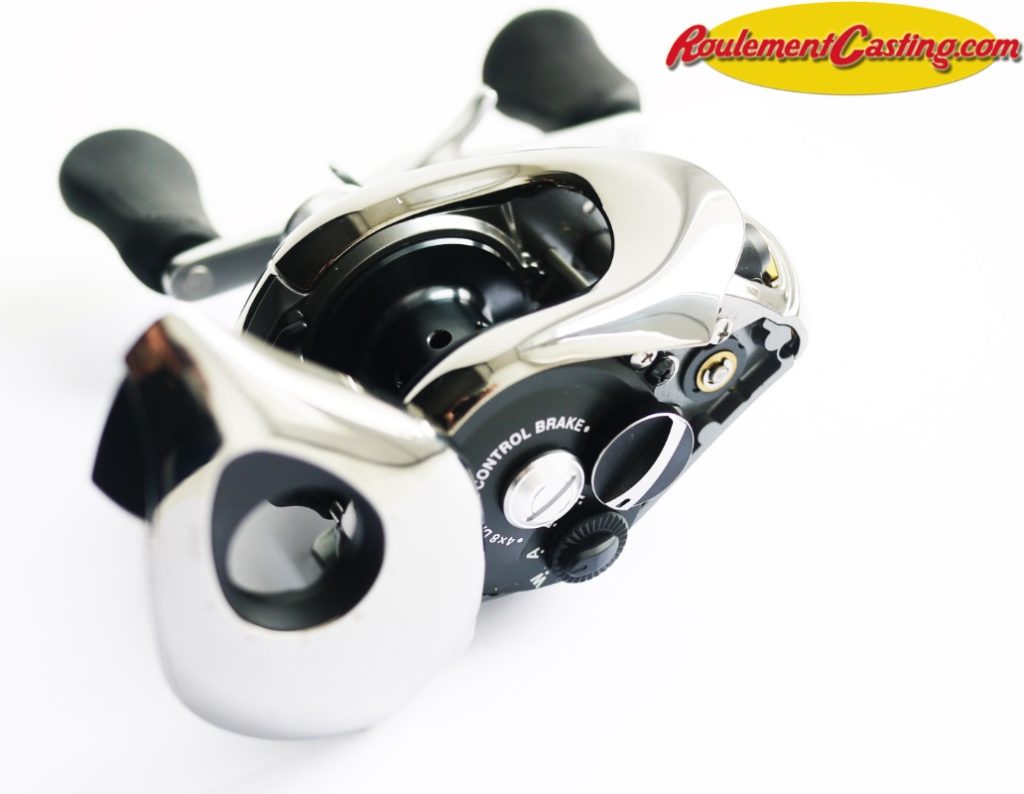
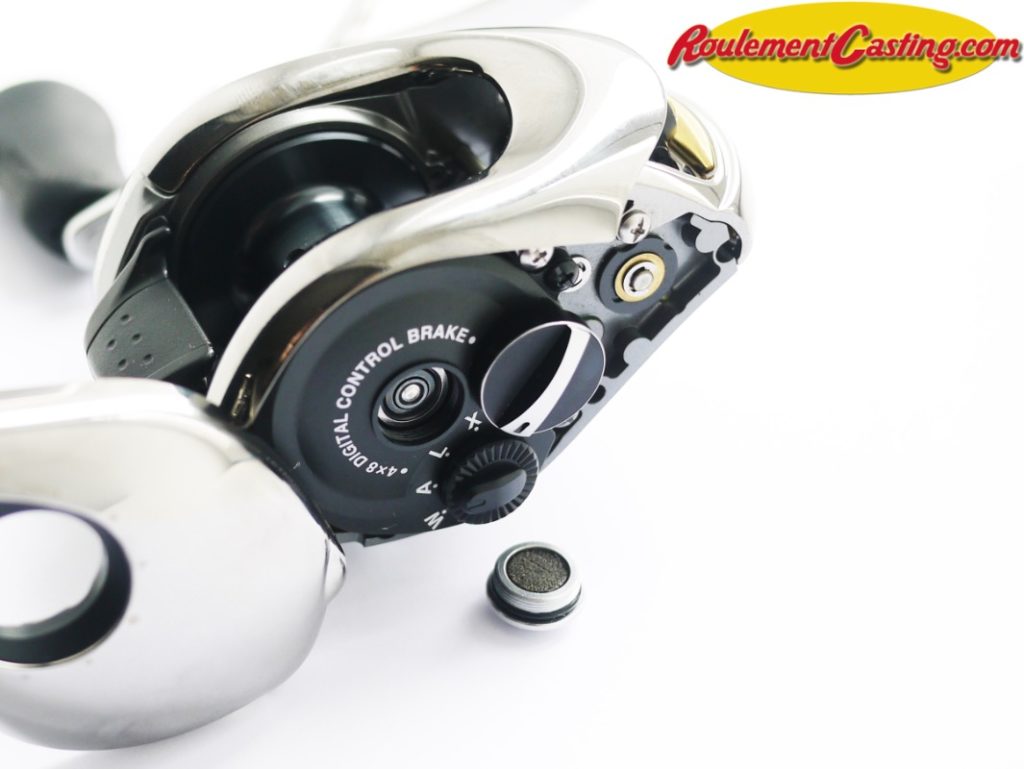
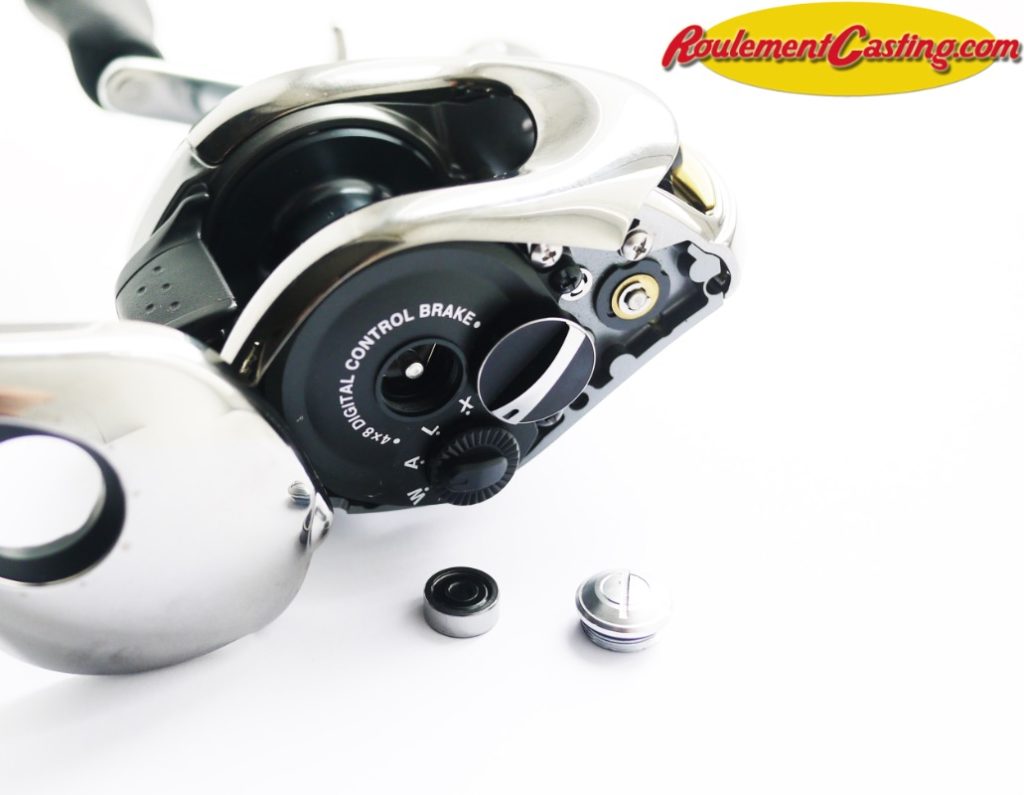
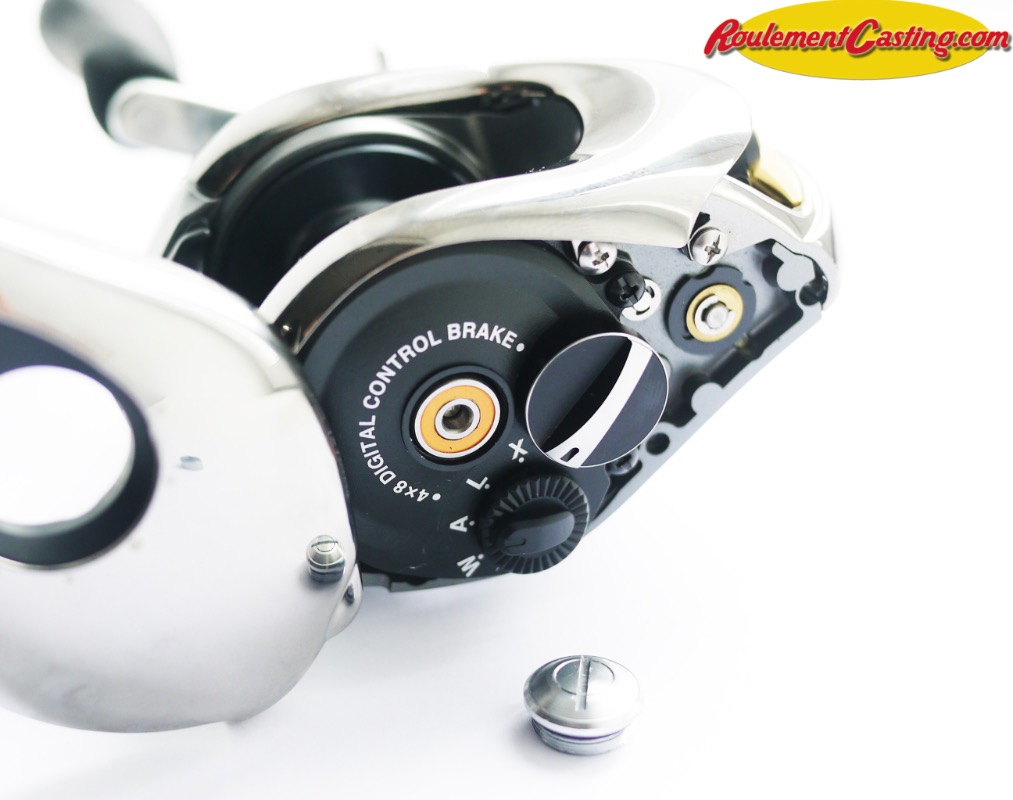
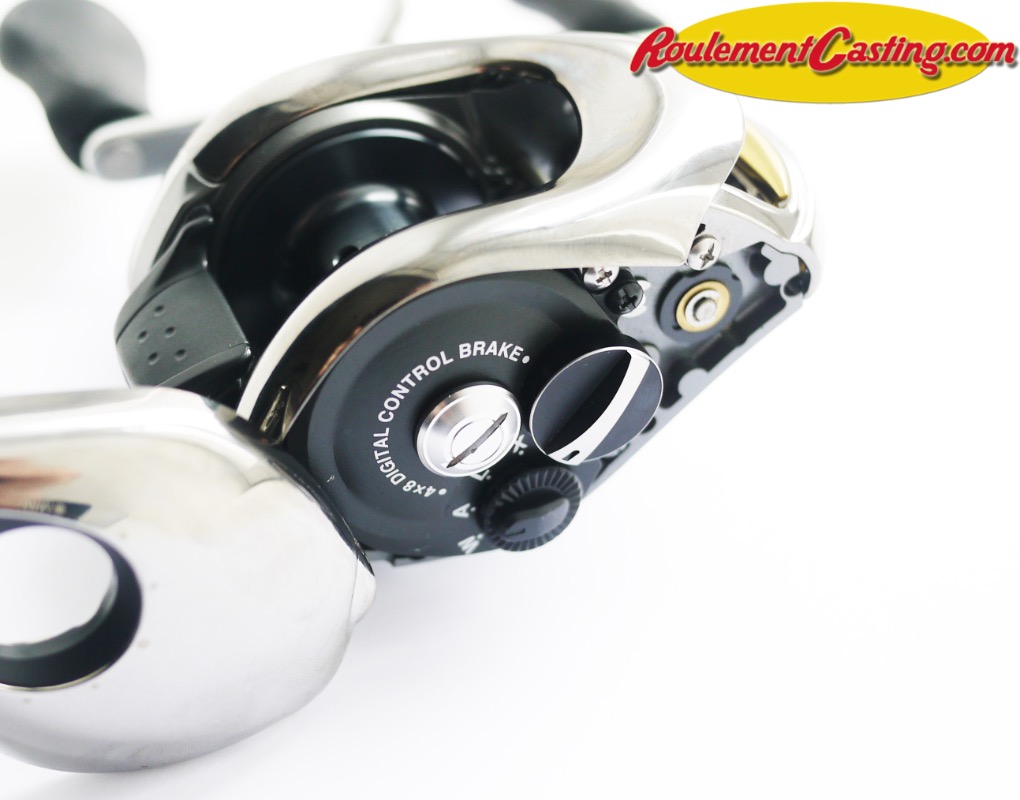
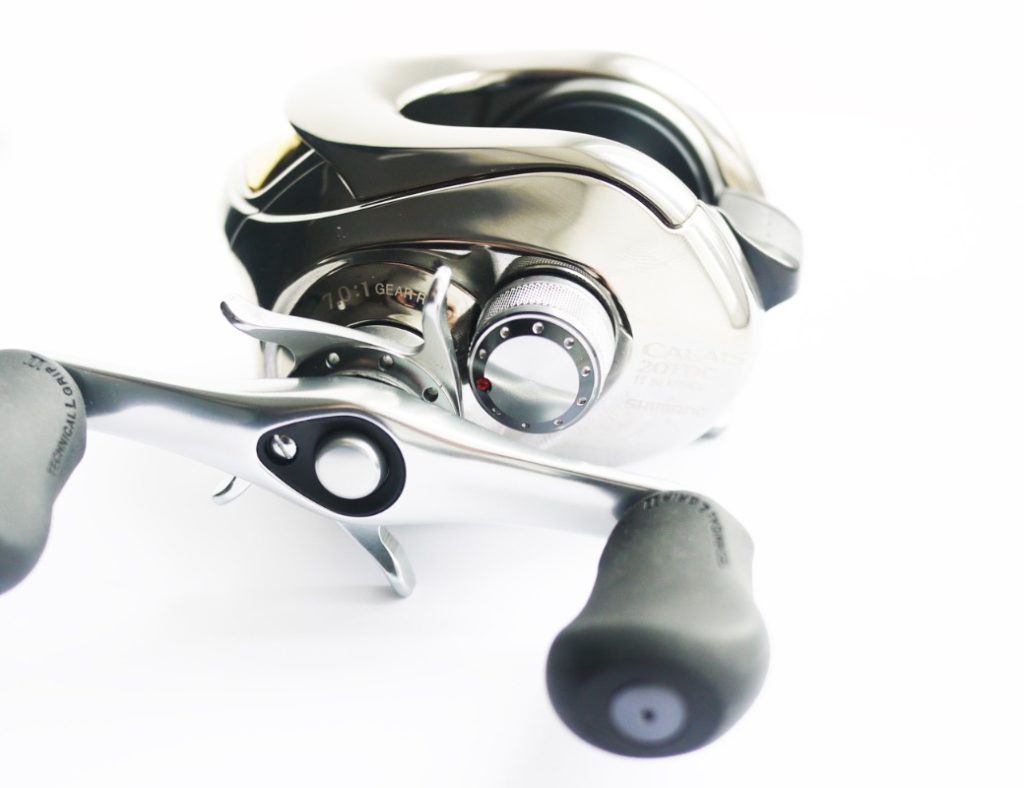
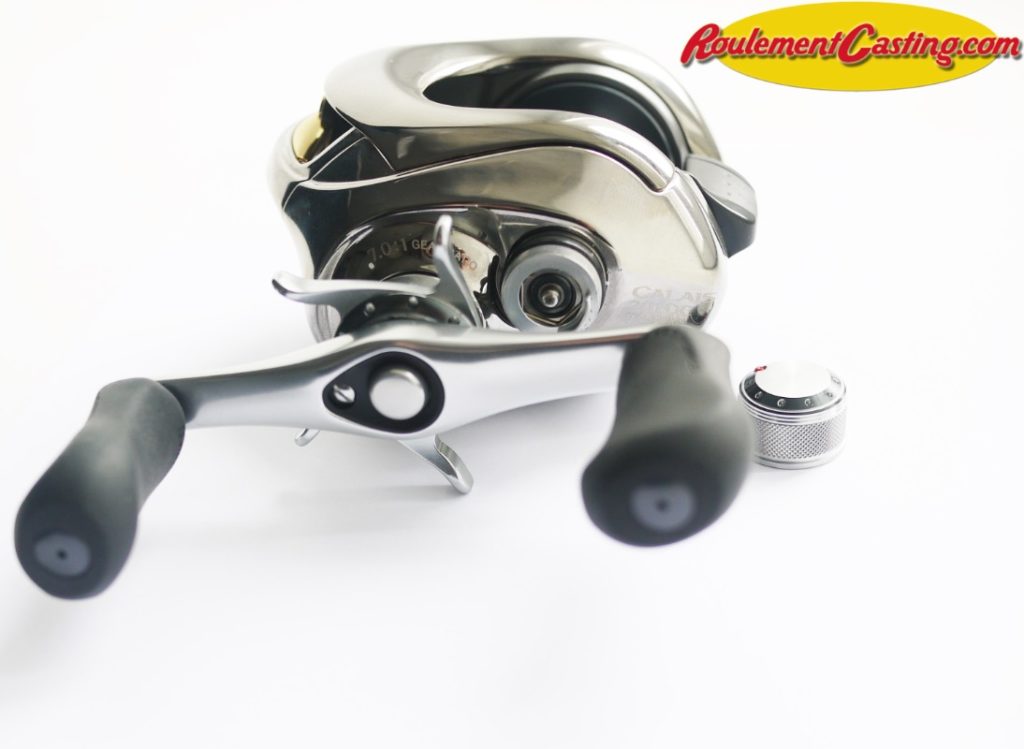
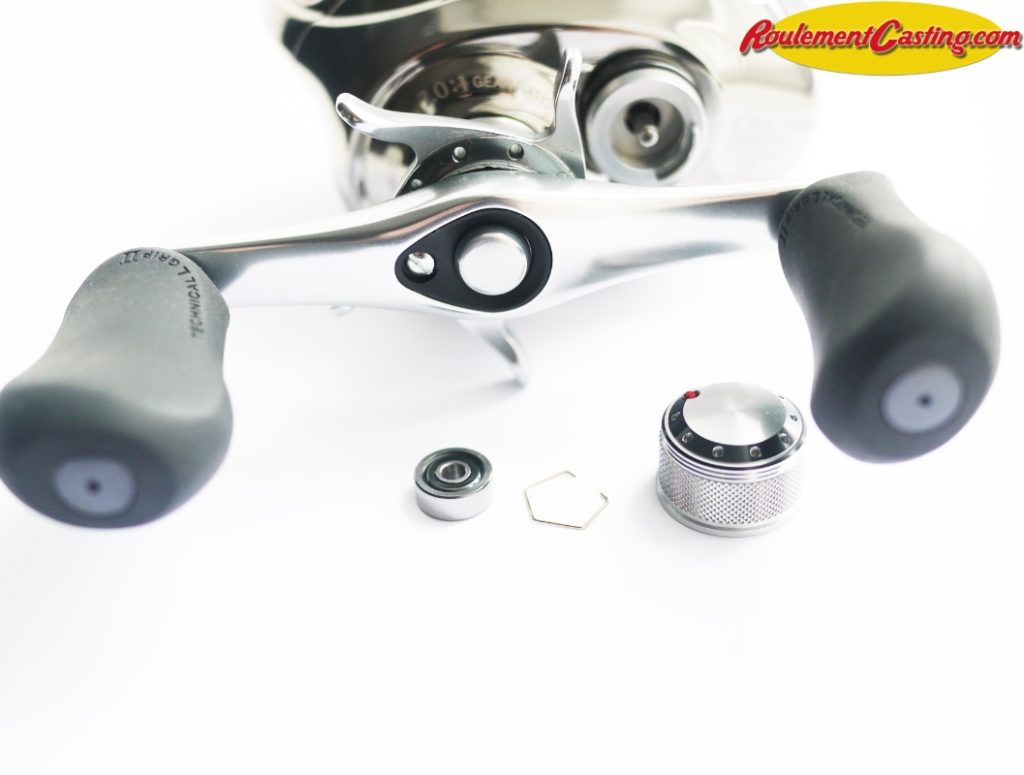
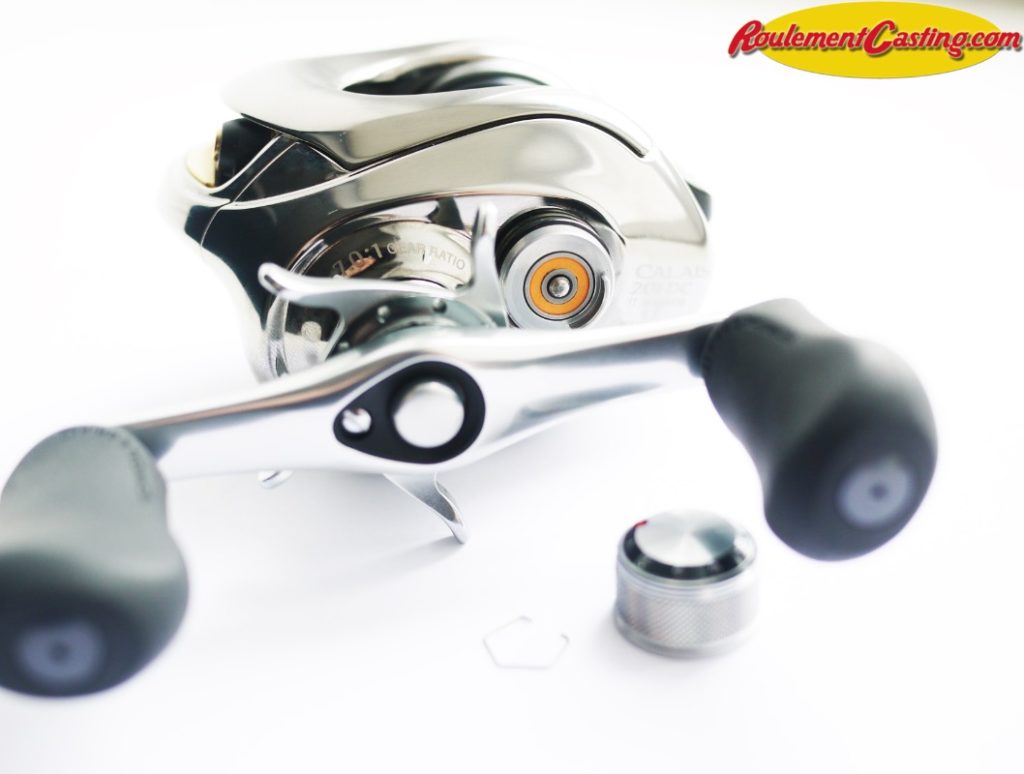
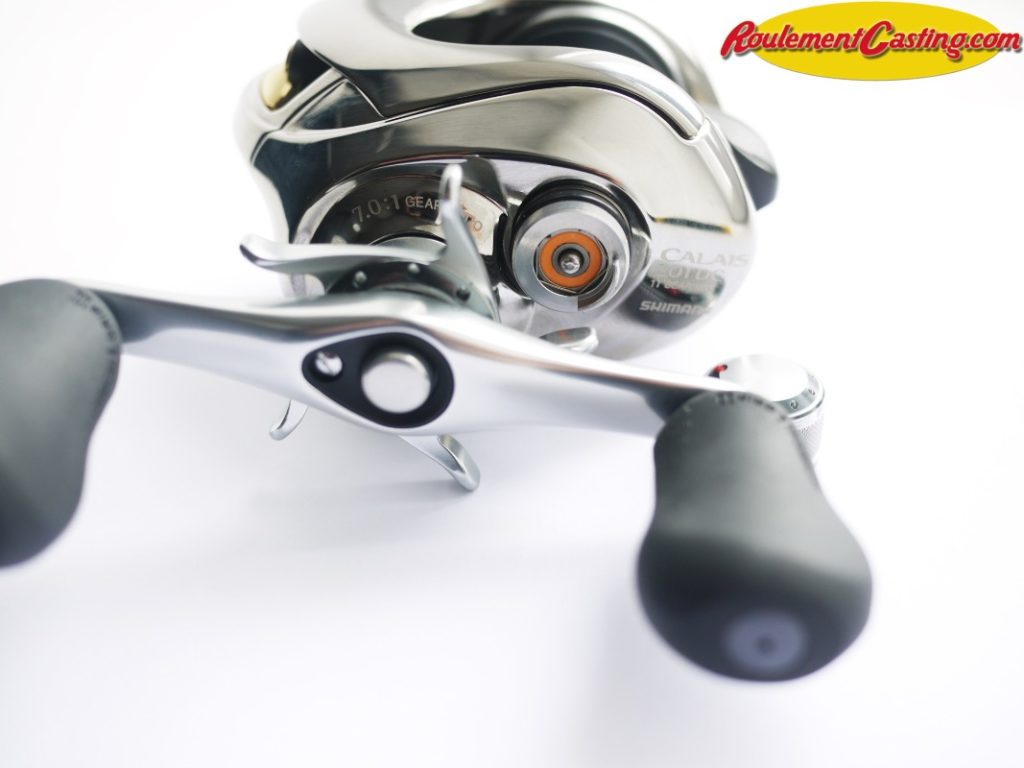
We’re going to look at how to quickly and easily change the spool bearings on a Shimano Calais 201 DC to significantly improve its performance.
You can find our selection of parts for your Shimano CALAIS 201DC on the following page:
Shimano CALAIS 201DC Upgrade
We’re going to look at how to fit Smooth Drag Carbontex brakes to a Rarenium 1000 Ci4. It’s an extremely simple process that requires no tools and takes just a few minutes.
You can find our selection of parts for your Shimano RARENIUM 1000 Ci4 on the following page:
Shimano RARENIUM 1000 Ci4 FA Upgrade
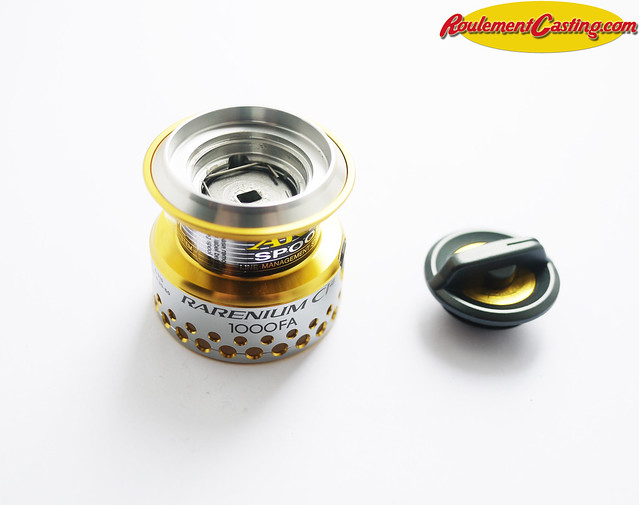
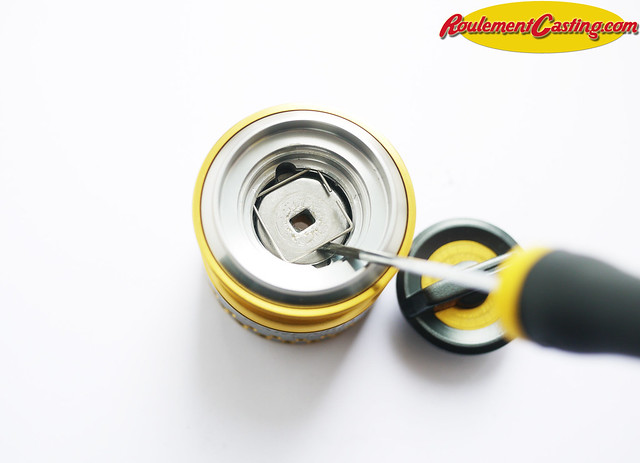
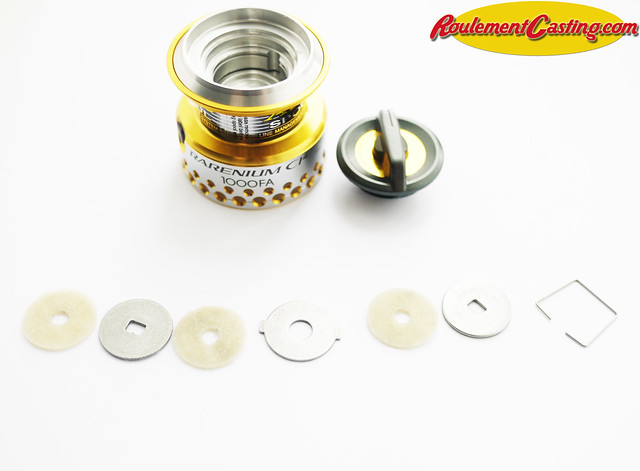
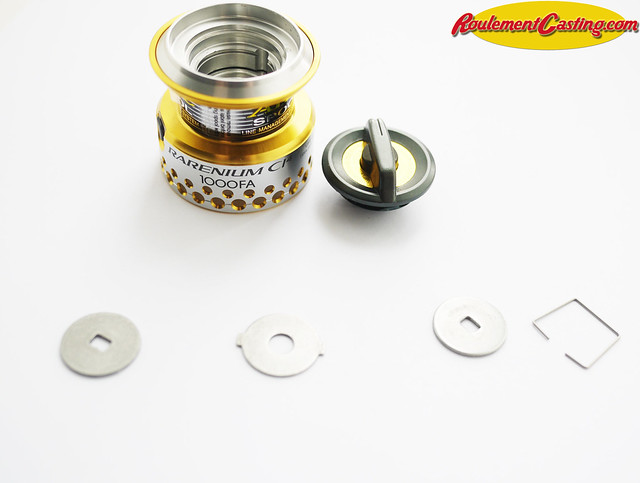
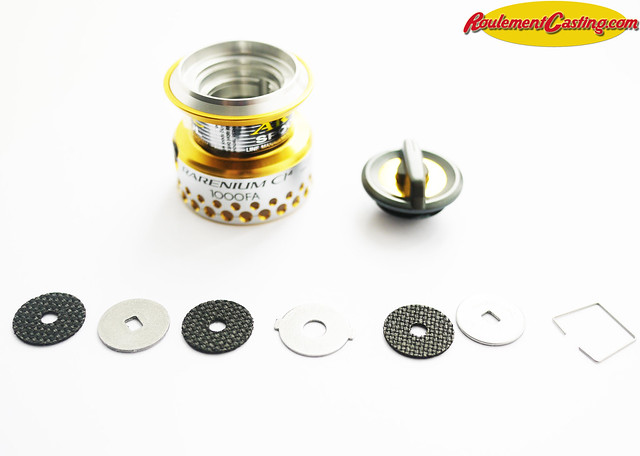
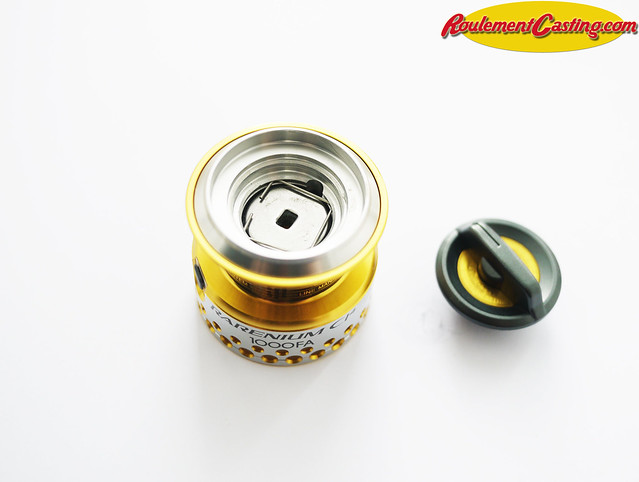
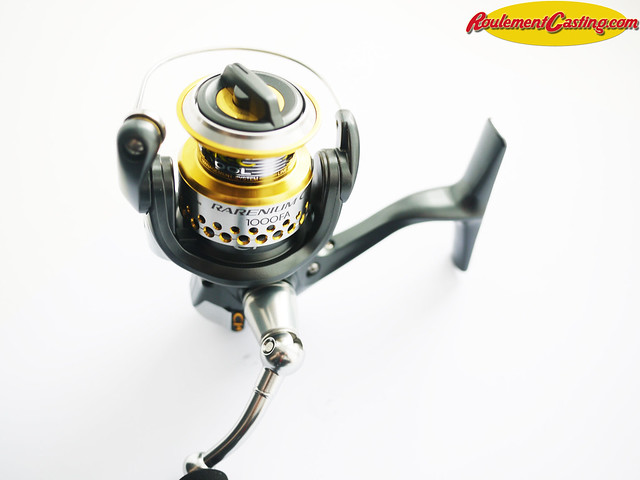
We’re going to look at how to fit Smooth Drag Carbontex brakes onto a Shimano Stradic C3000 Ci4. It’s an extremely simple process that requires no tools and takes just a few minutes.
You can find our selection of parts for your Shimano STRADIC C3000 Ci4 on the following page:
Shimano STRADIC C3000 Ci4 Upgrade
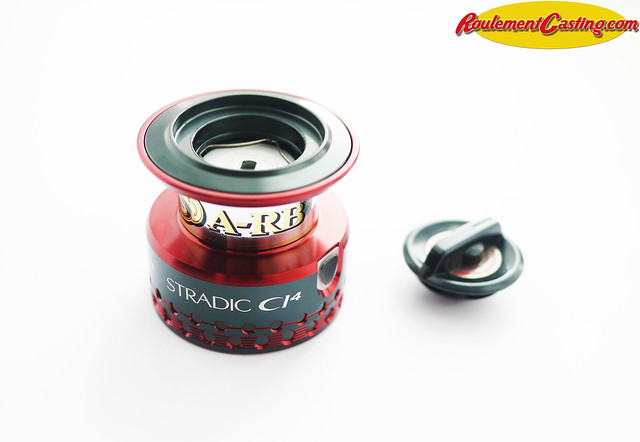
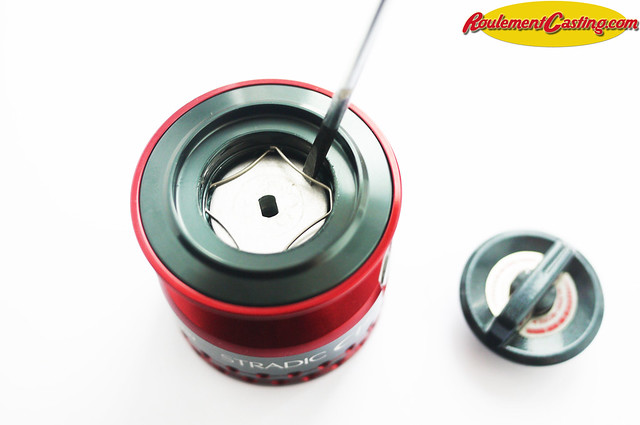
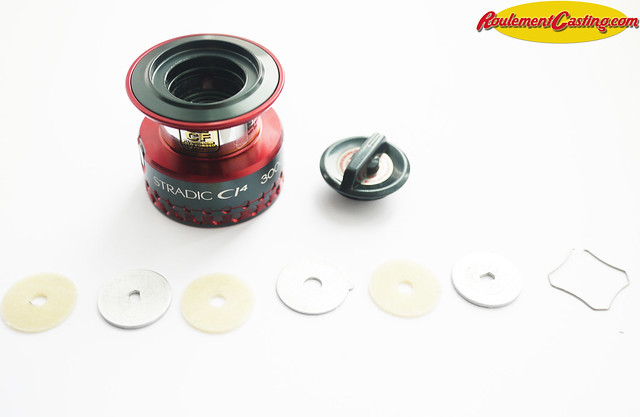
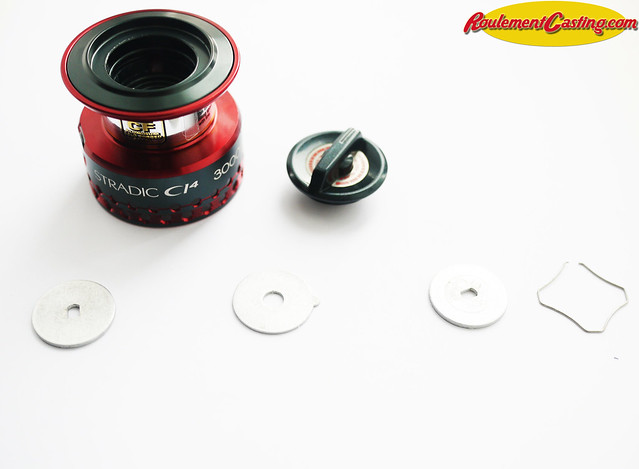
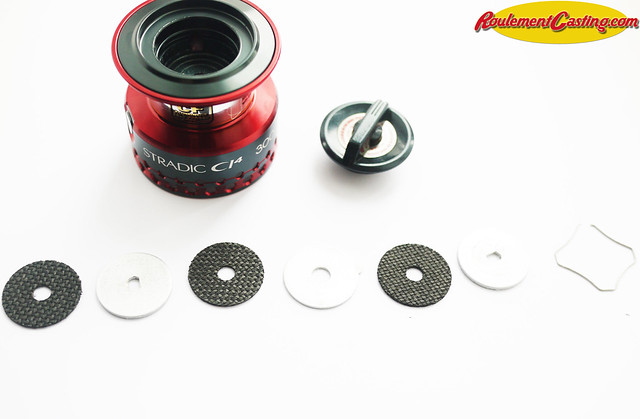

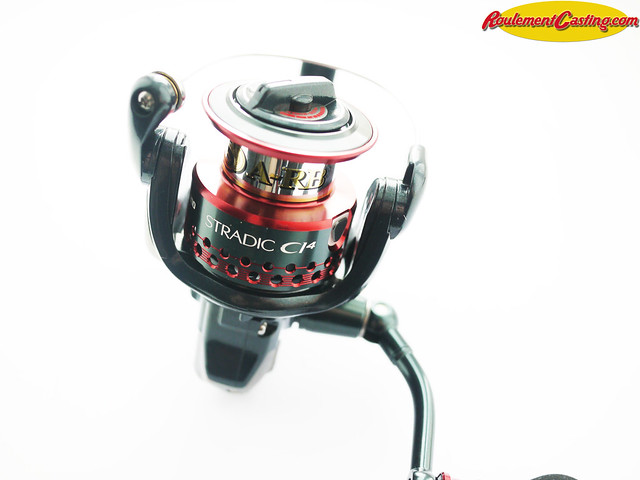
We’re going to look at how to fit Smooth Drag Carbontex brakes onto a Shimano Complex 2500 Ci4 F6. It’s an extremely simple process that requires no tools and takes just a few minutes.
You can find our selection of parts for your Shimano COMPLEX CI4 2500 F6 on the following page:
Shimano COMPLEX CI4 2500 F6 Upgrade
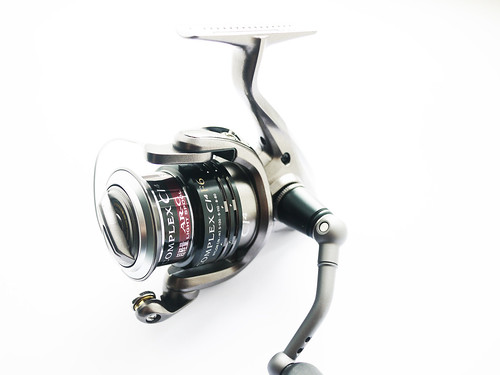
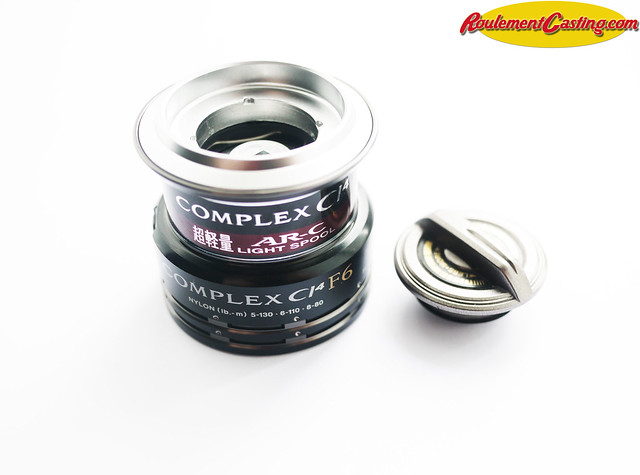
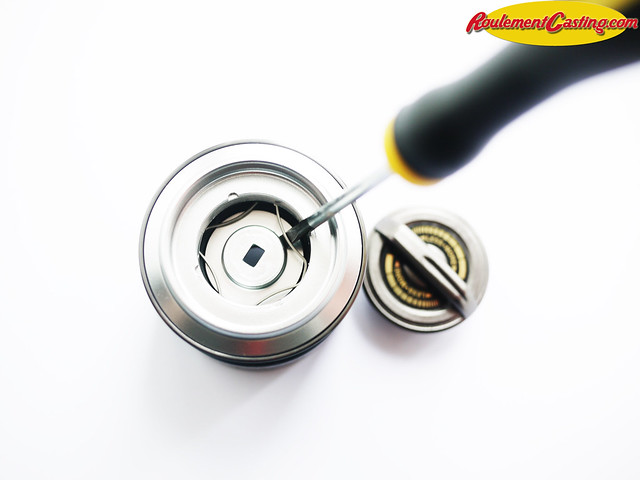
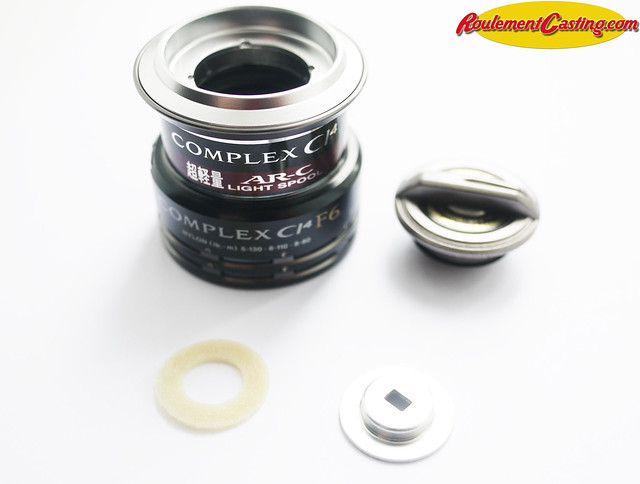
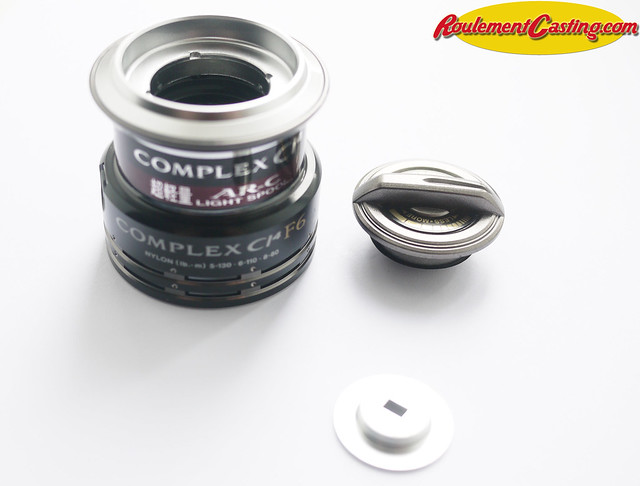
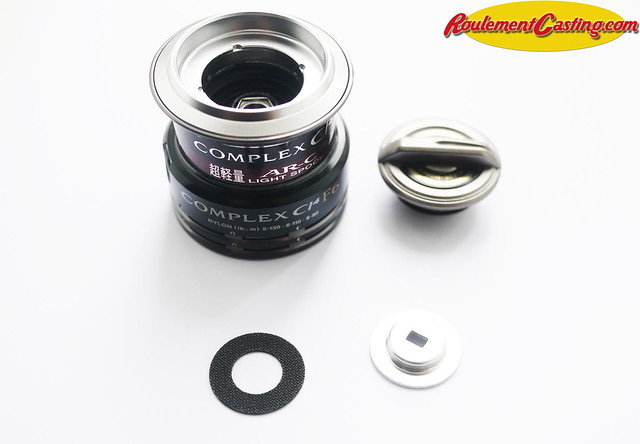
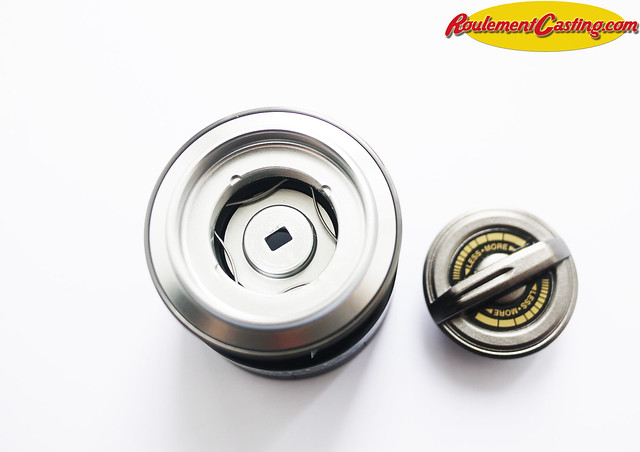
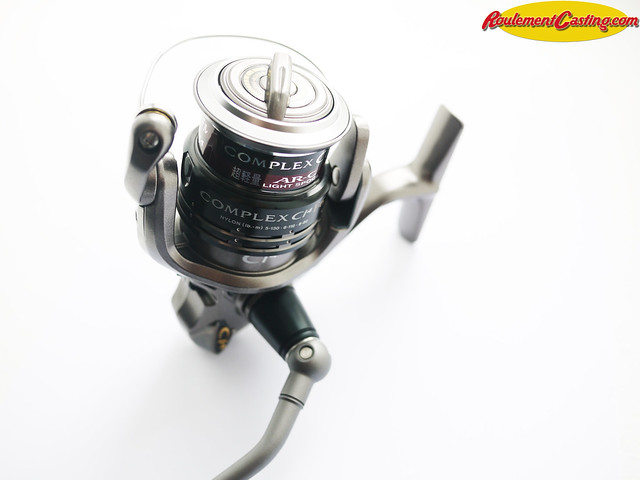
We’re going to look at how to fit Smooth Drag Carbontex brakes to a Rarenium 4000 Ci4. It’s an extremely simple process that requires no tools and takes just a few minutes.
You can find our selection of parts for your Shimano RARENIUM 4000 Ci4 on the following page:
Shimano RARENIUM 4000 Ci4 Upgrade
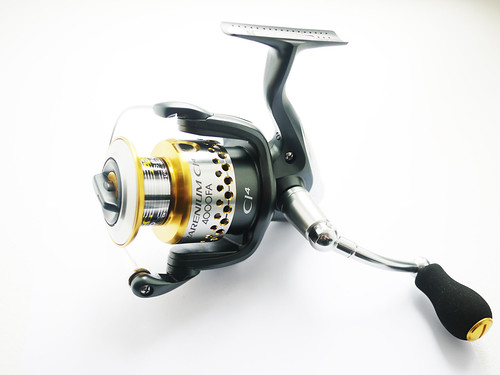

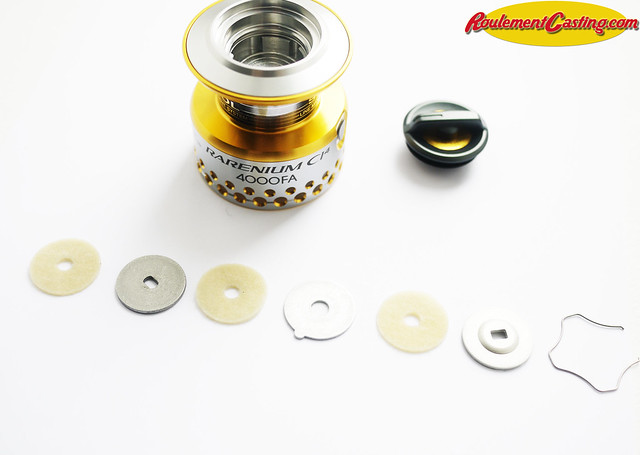
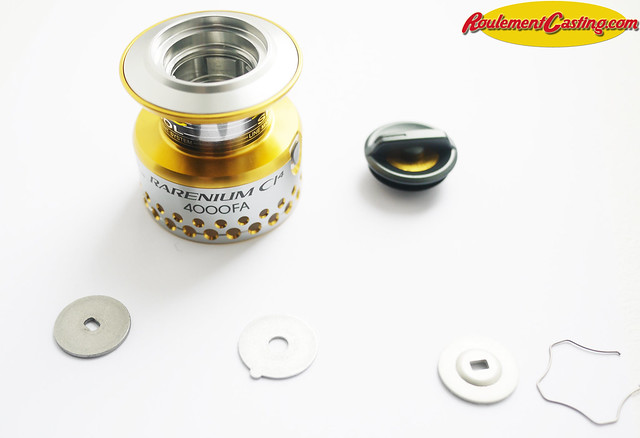
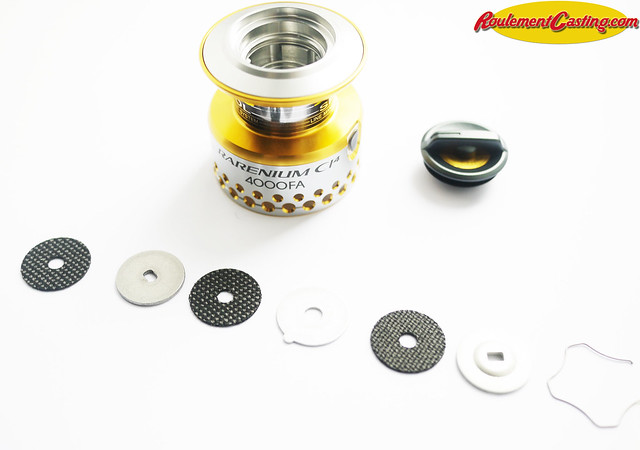
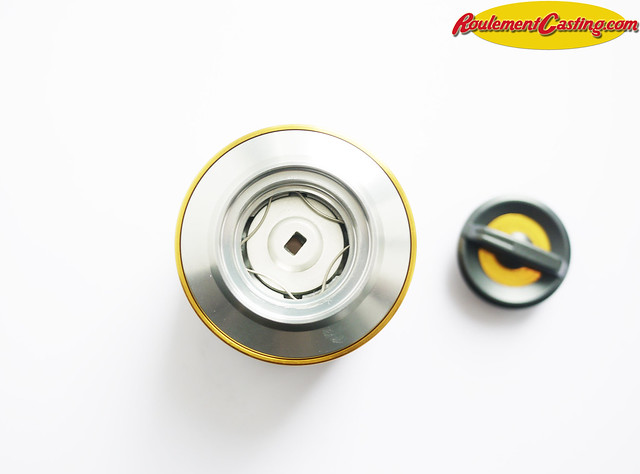
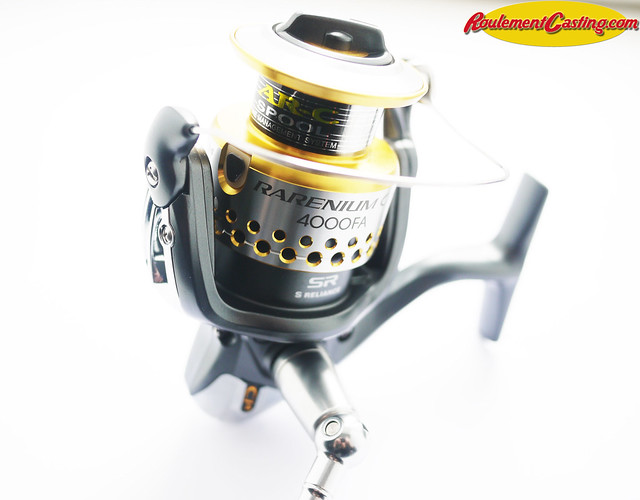
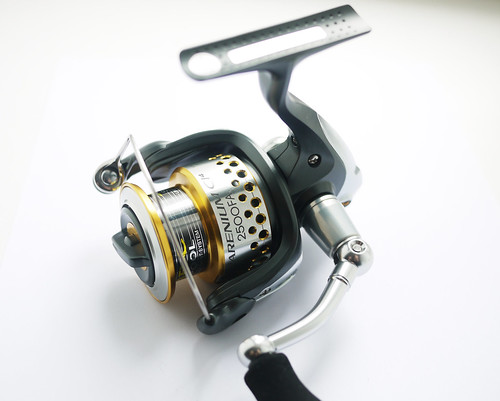
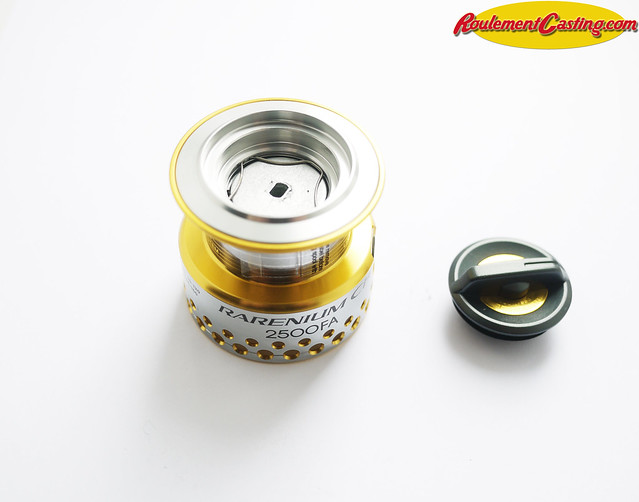
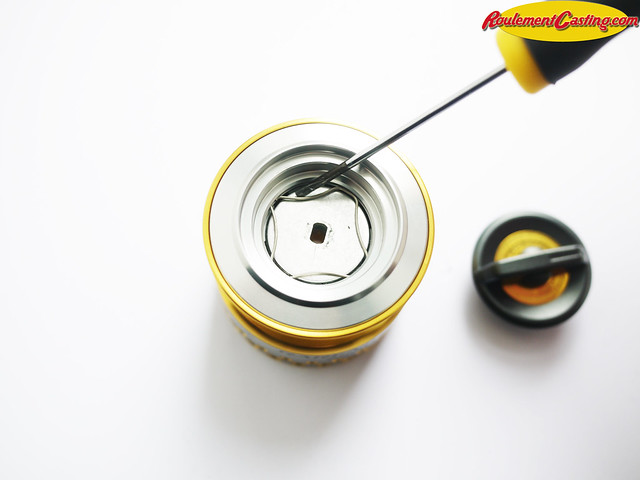
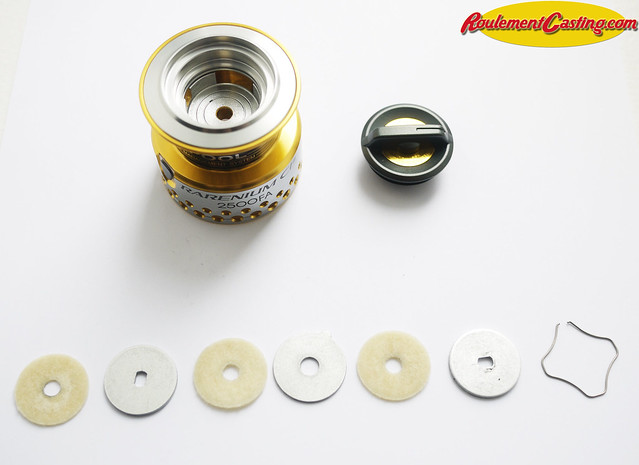
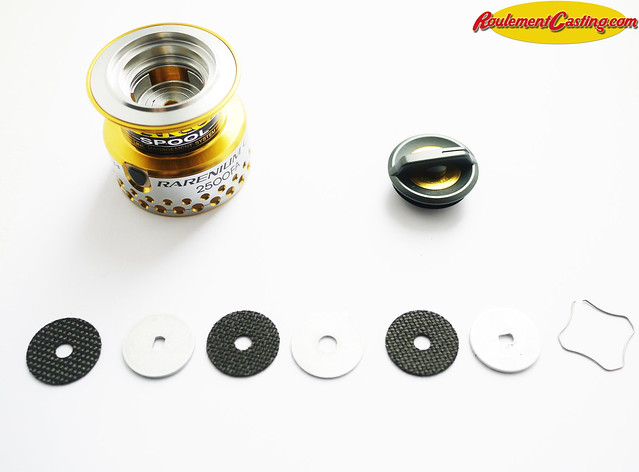
We’re going to look at how to fit Smooth Drag Carbontex brakes to a Rarenium 2500 Ci4. It’s an extremely simple job that requires no tools and takes just a few minutes.
You can find our selection of parts for your Shimano RARENIUM 2500 Ci4 on the following page:
Shimano RARENIUM 2500 Ci4 Upgrade

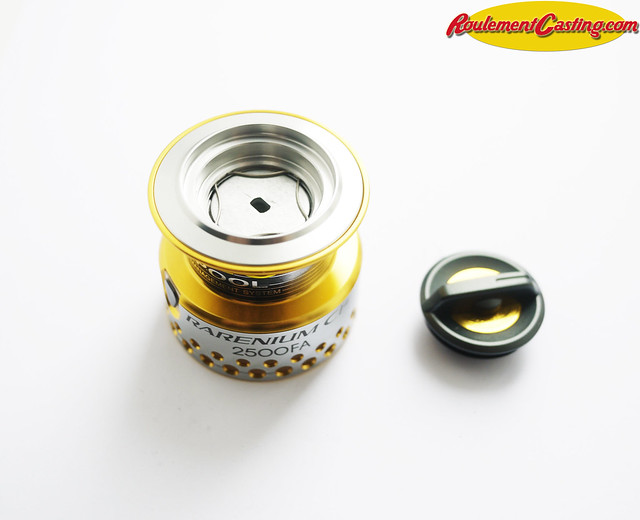

We’re going to look at how to quickly and easily change the spool bearings on a Shimano Core 101Mg to significantly improve its performance.
You can find our selection of parts for your Shimano CORE 101MG on the following page:
Shimano CORE 101MG Upgrade
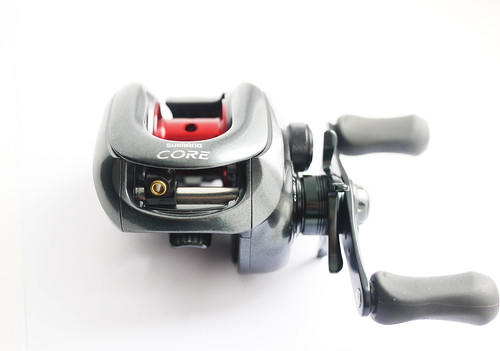
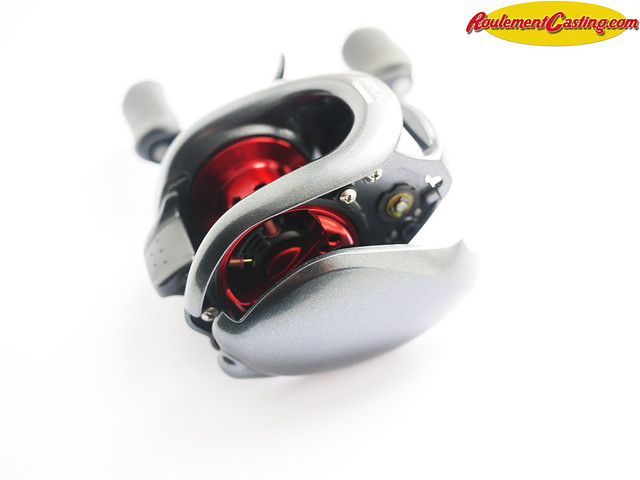
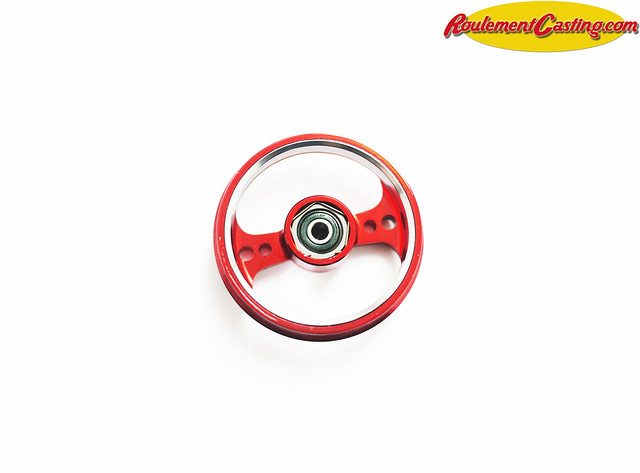
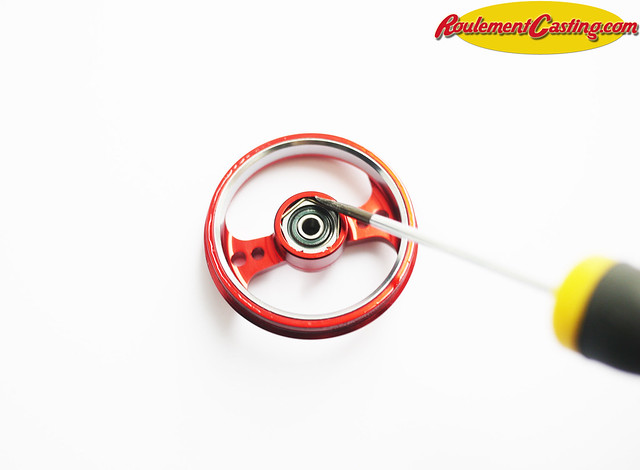
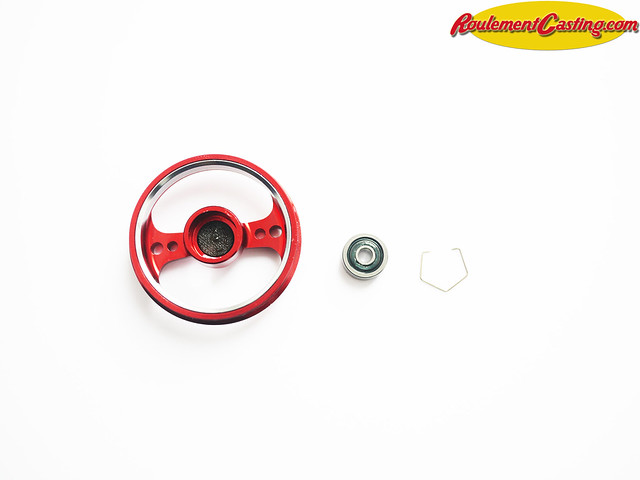
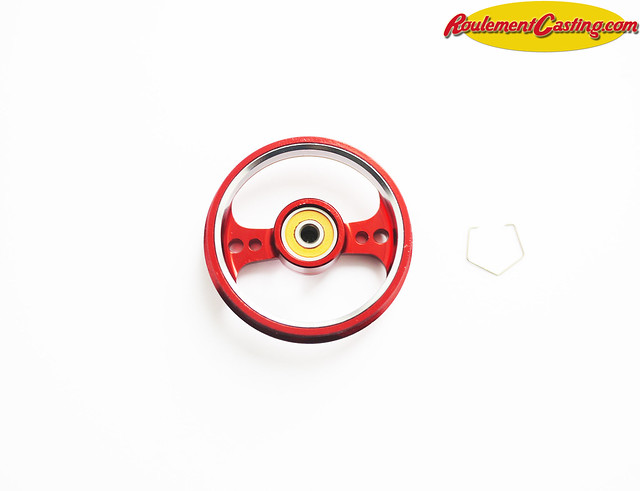
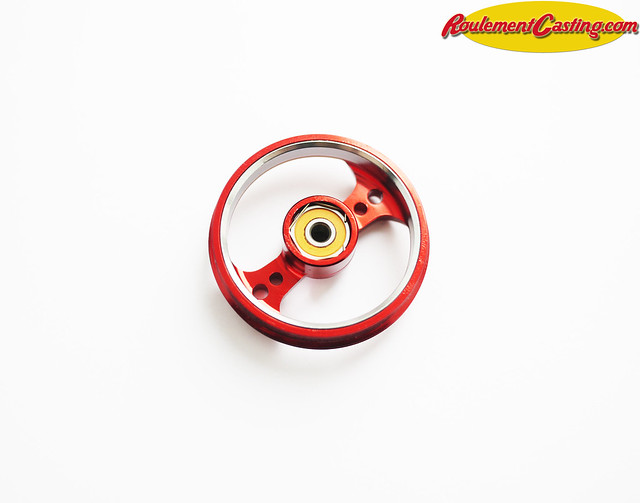
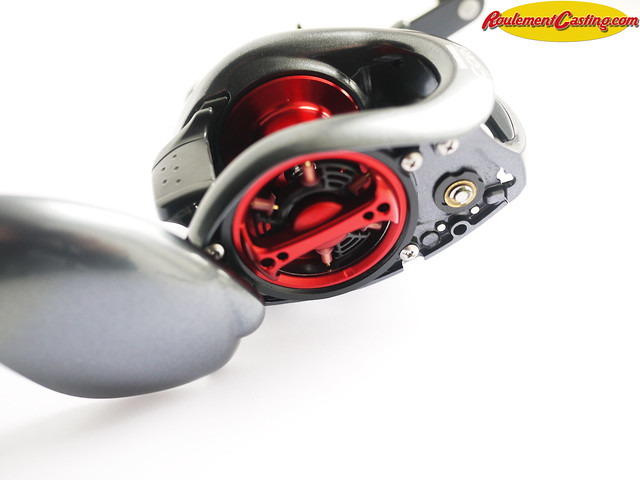
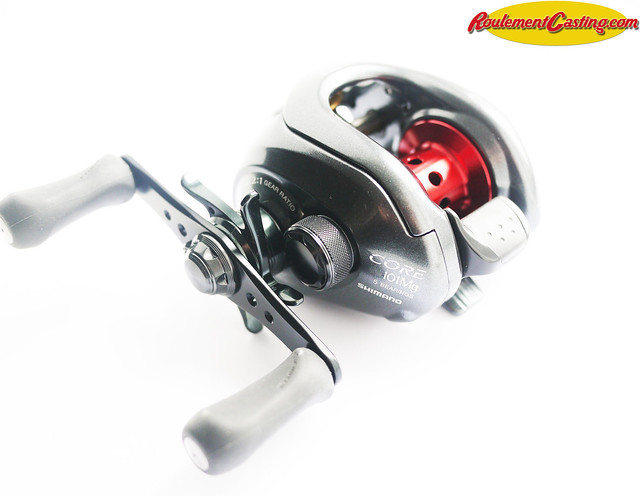
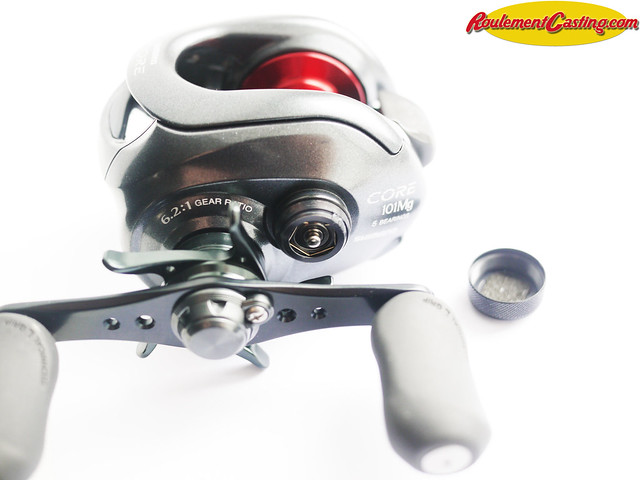
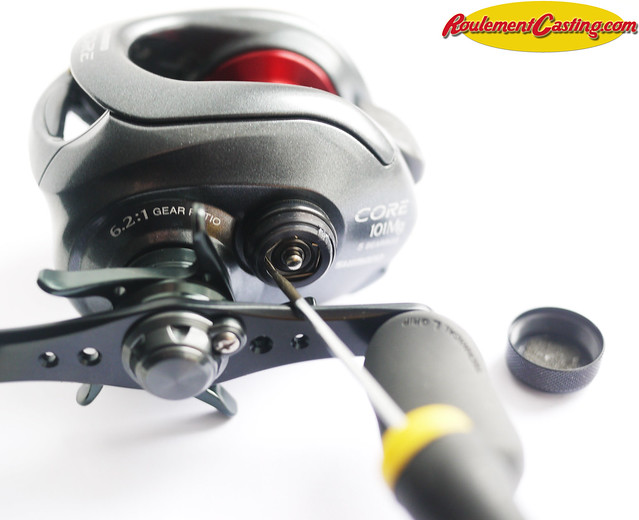
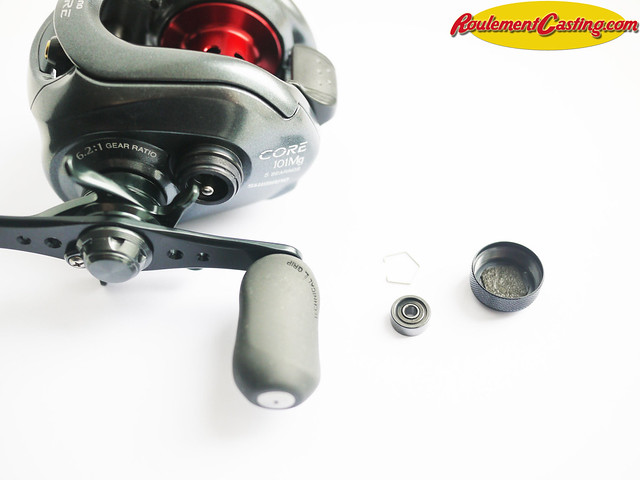
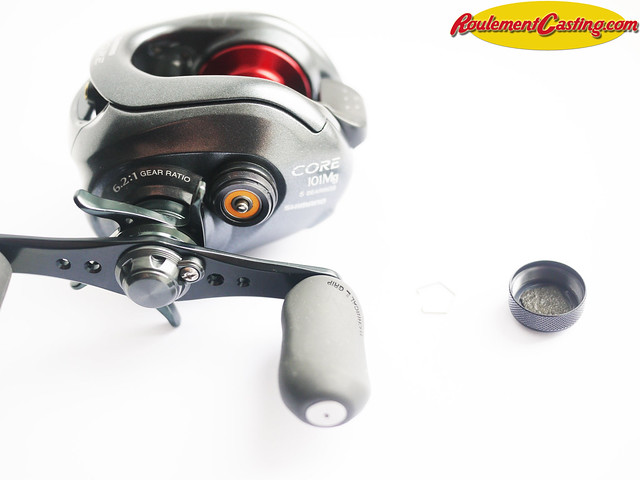
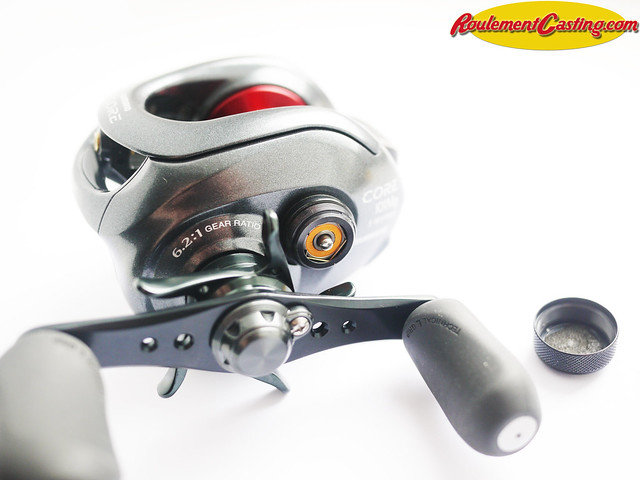
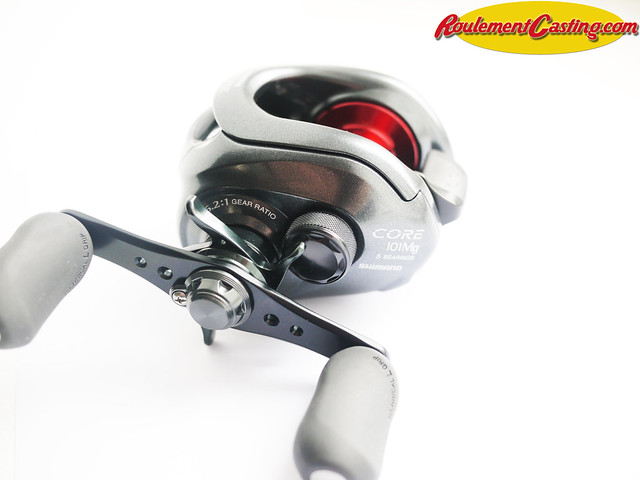
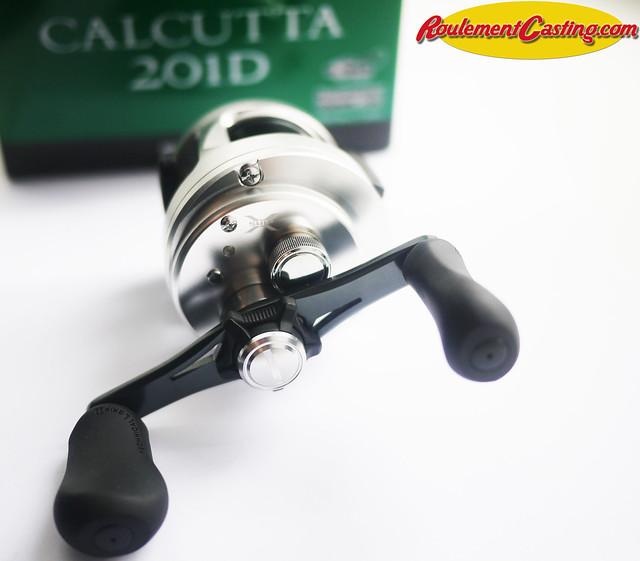
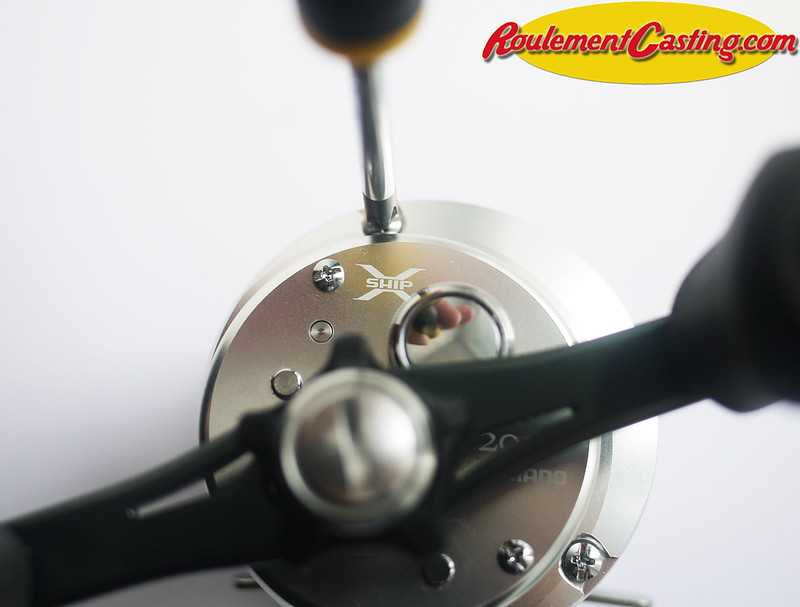
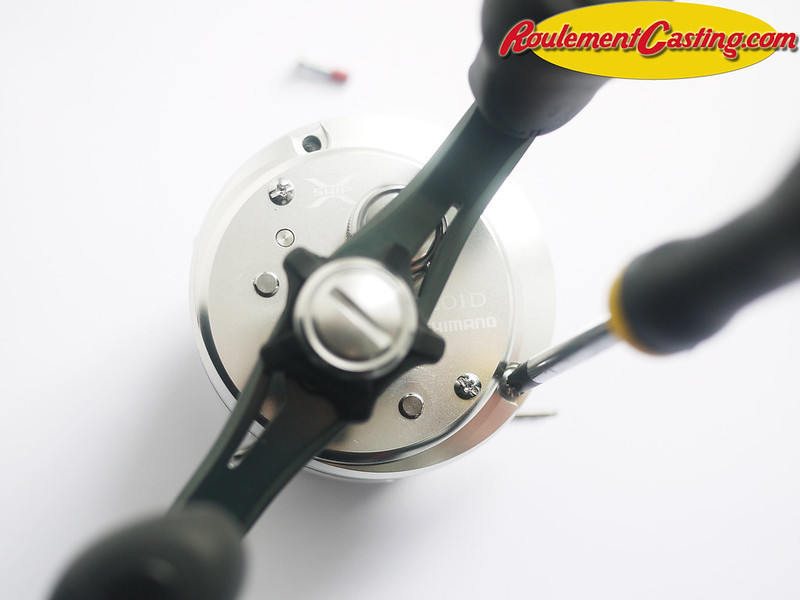
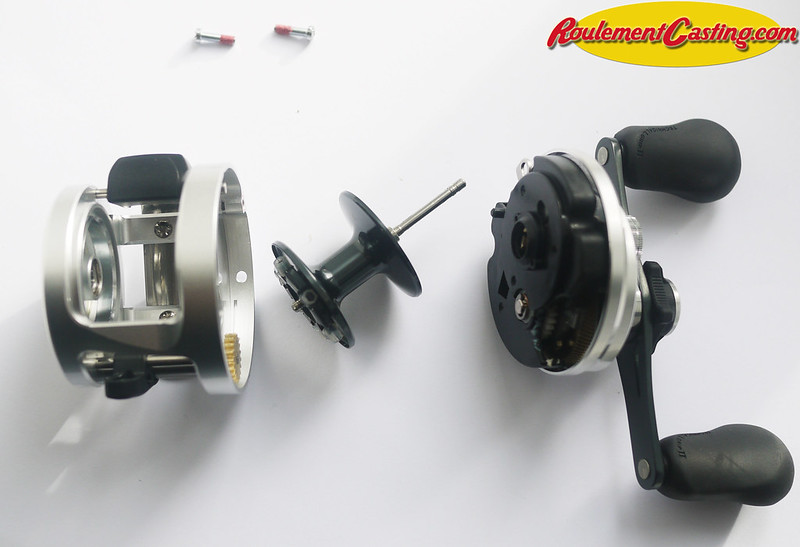
We’re going to look at how to quickly and easily replace the ball bearings on a Shimano Calcutta 201D to significantly improve its performance.
You can find our selection of parts for your Shimano Calcutta 201D on the following page:
Shimano Calcutta 201D Upgrade
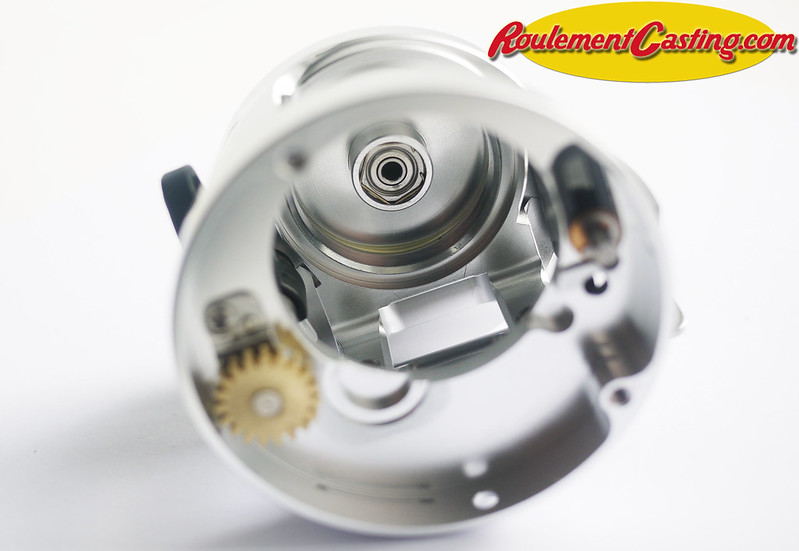
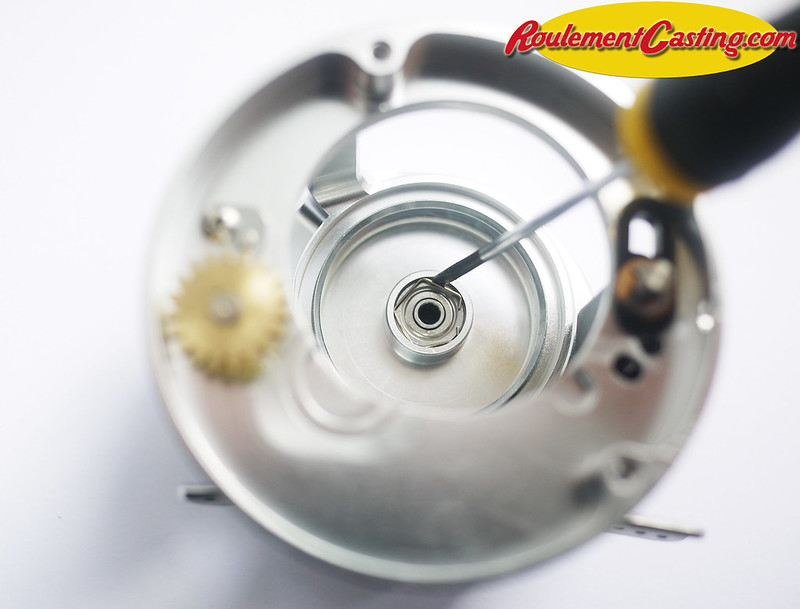
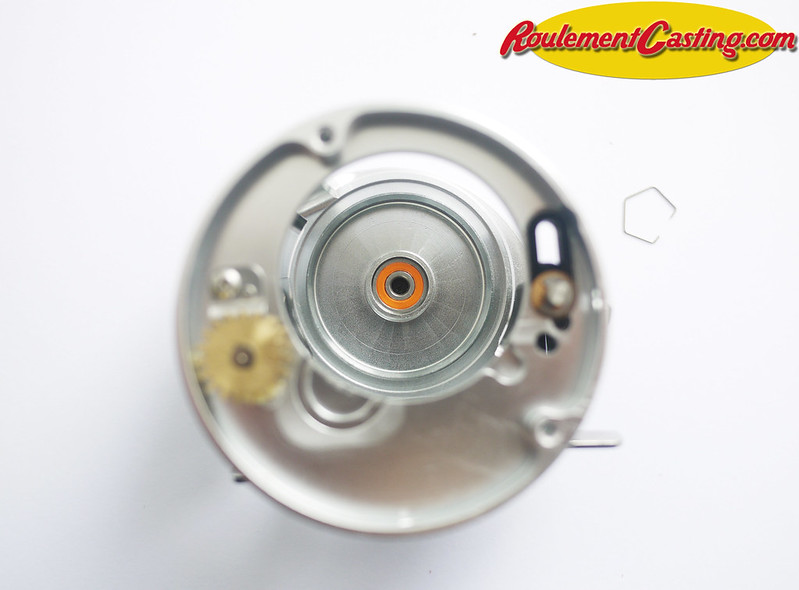
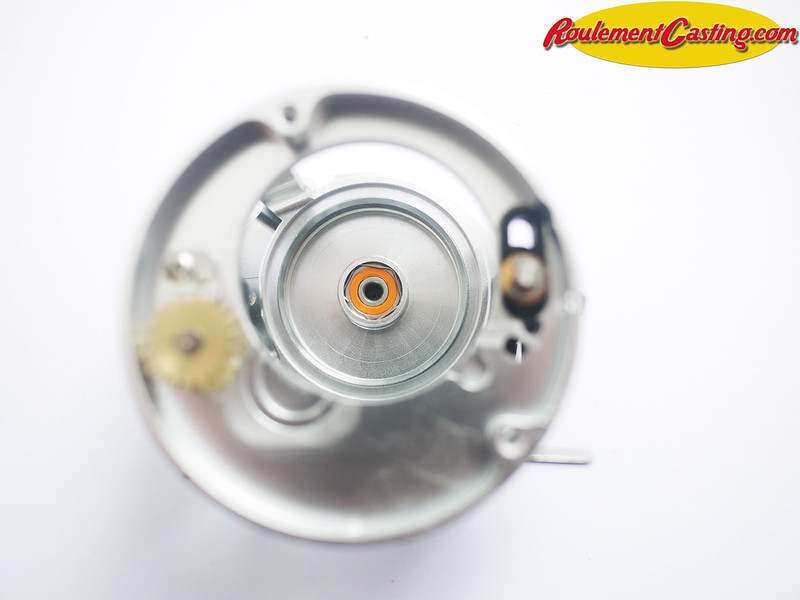
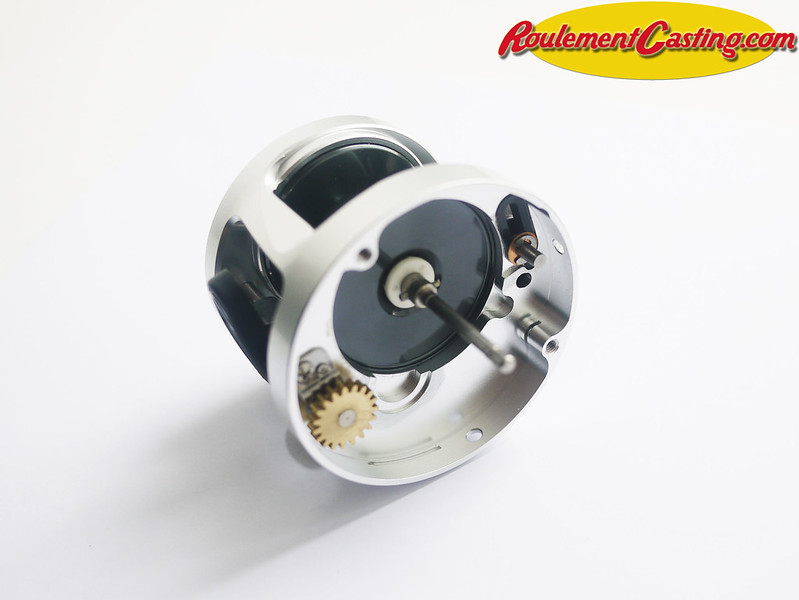
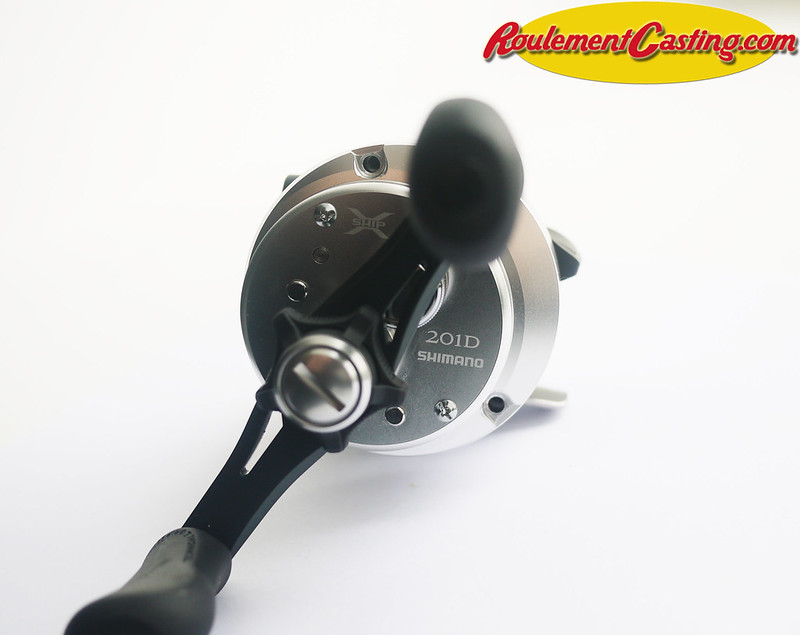
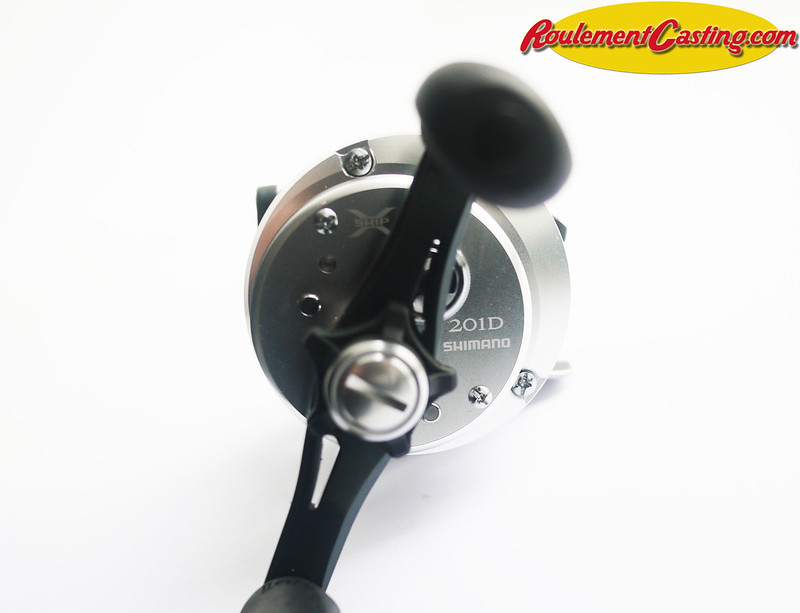
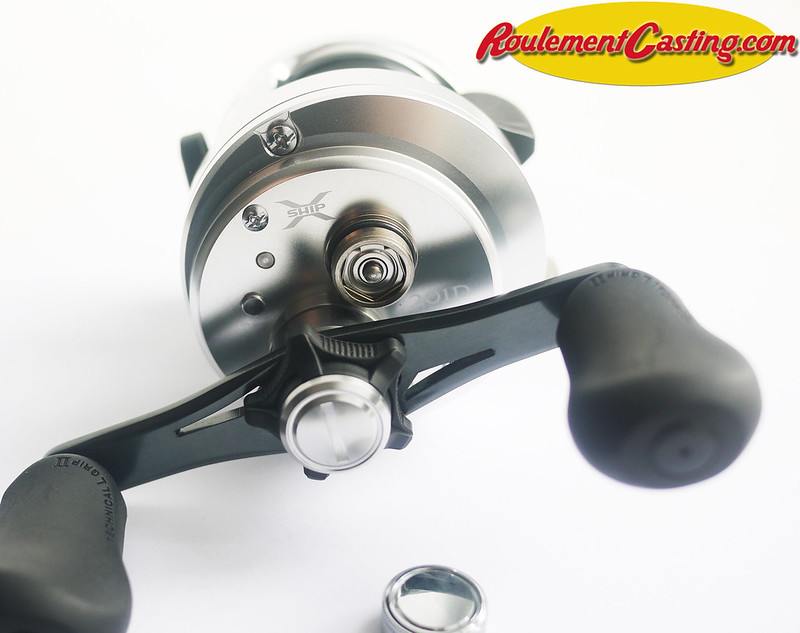
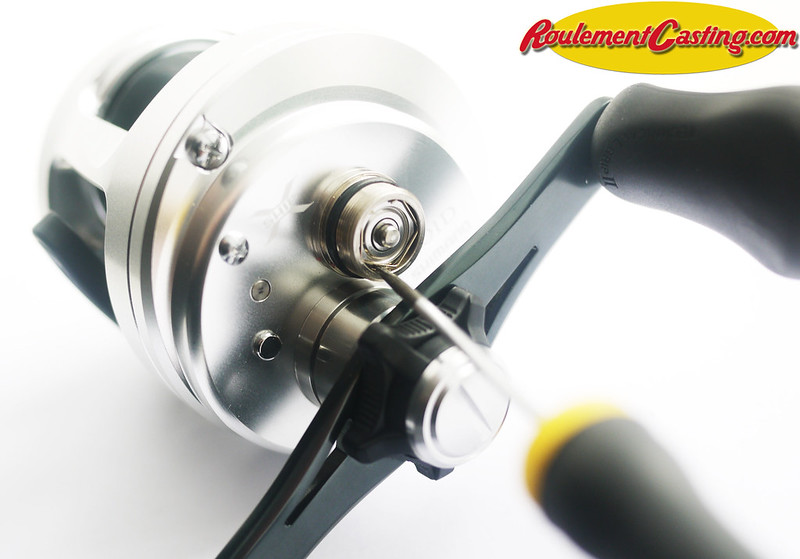
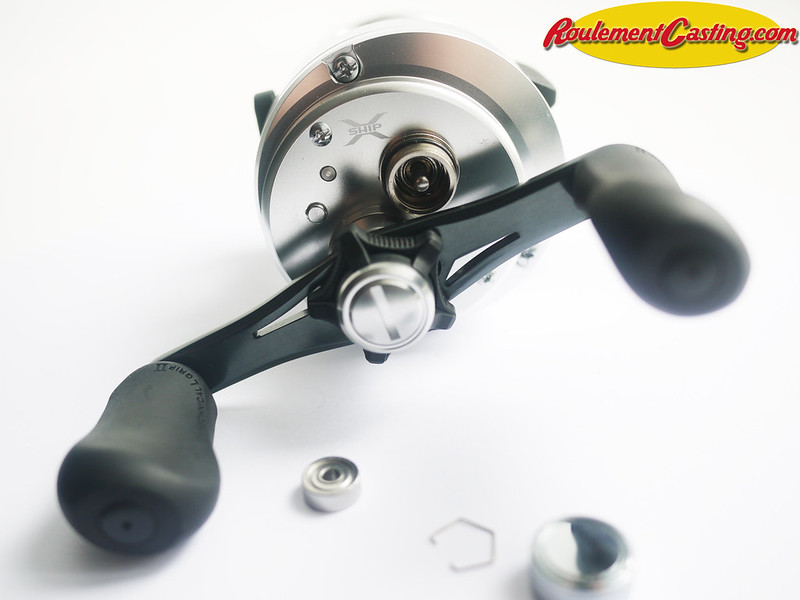
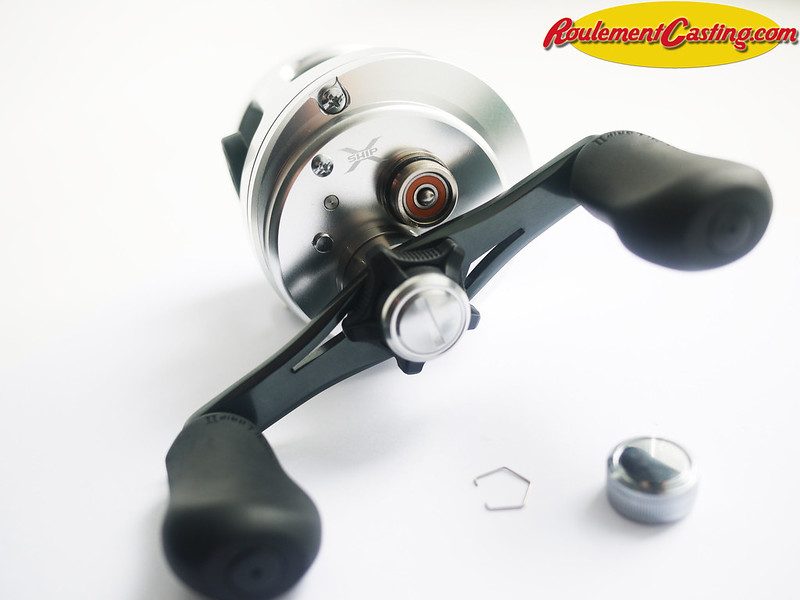
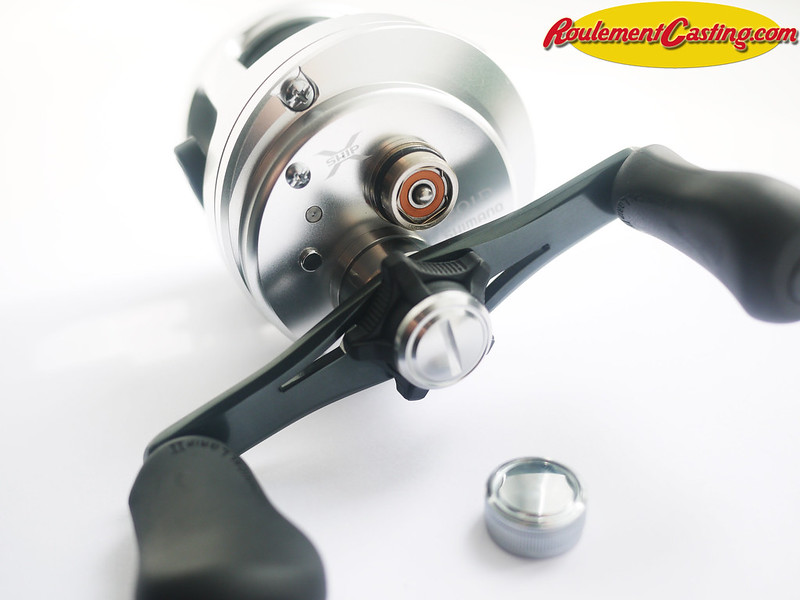
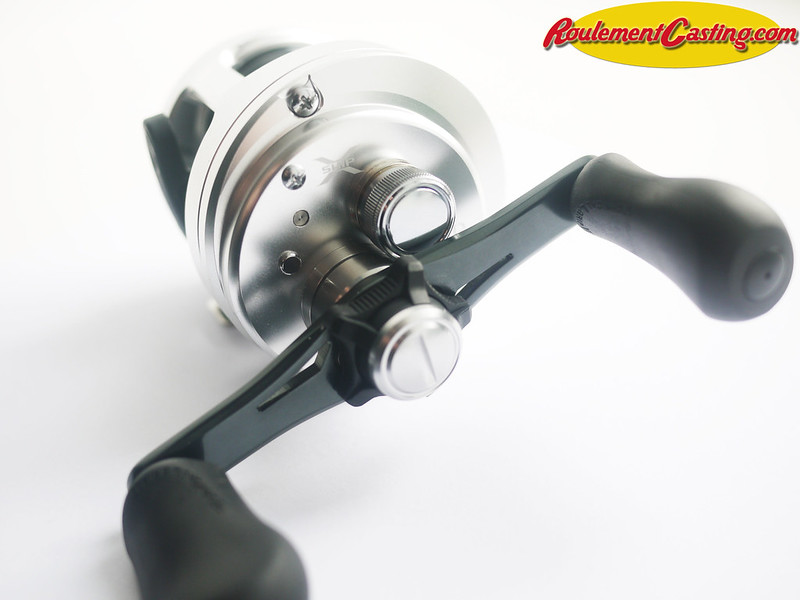
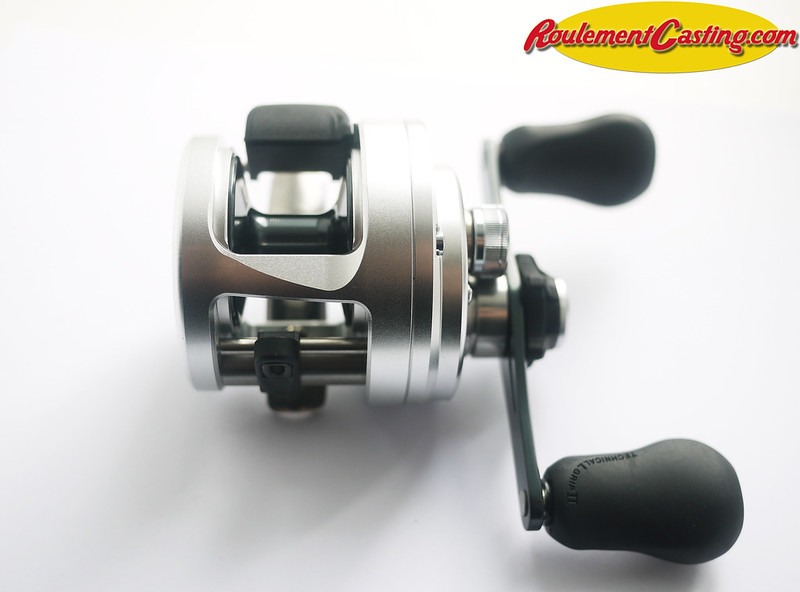
You can find our selection of parts for your Chronarch 101 BPV on the following page:
Improvement Shimano Chronarch 101 BPV
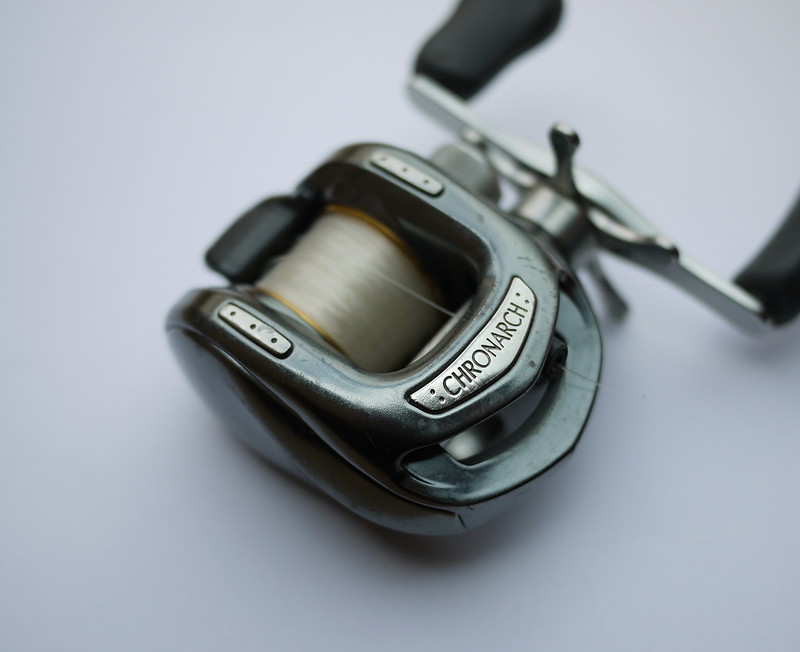
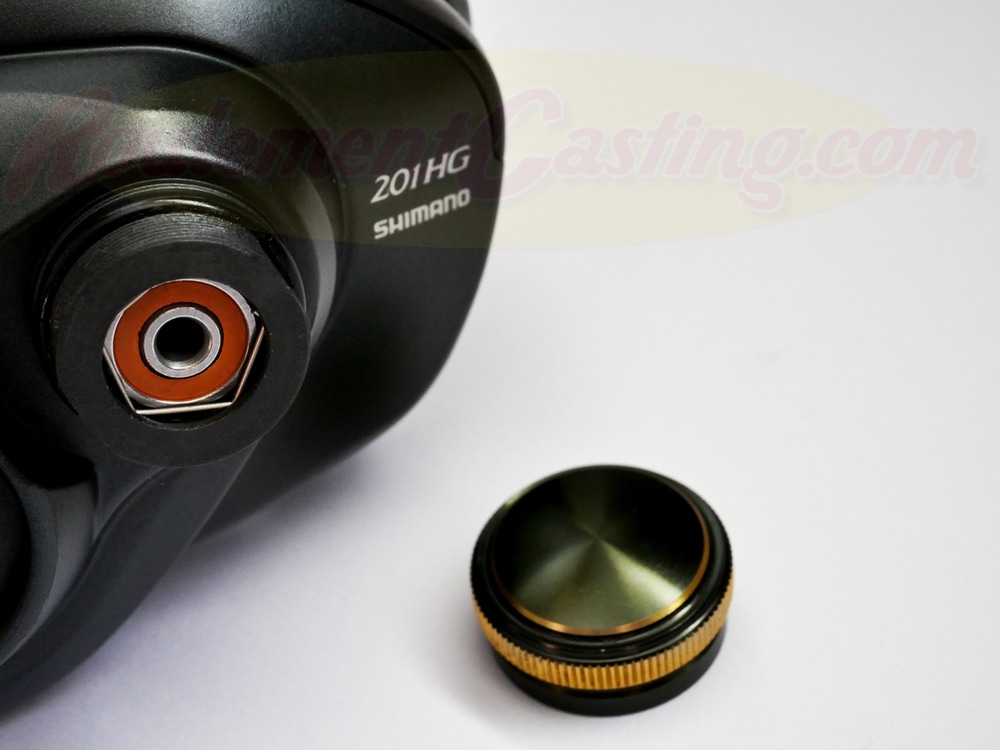
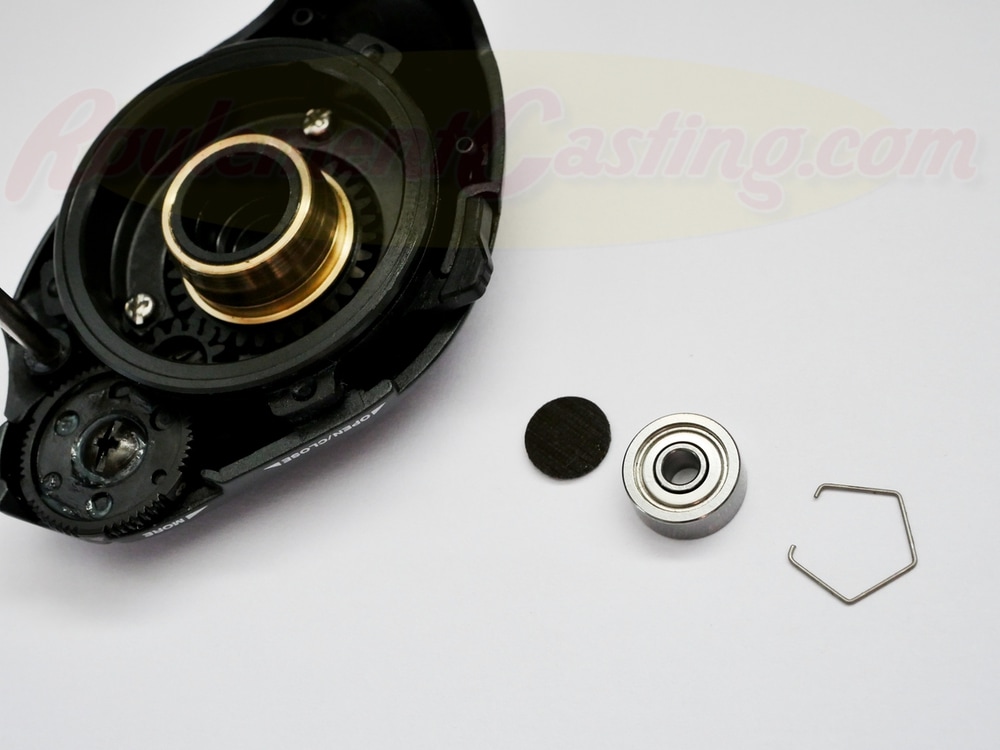
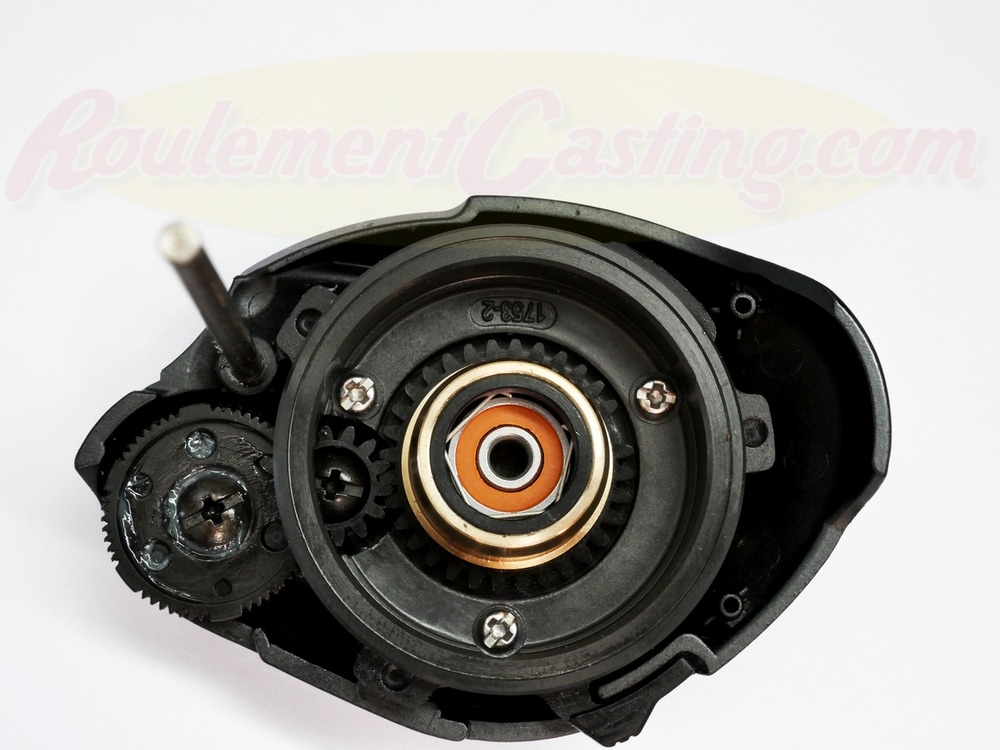
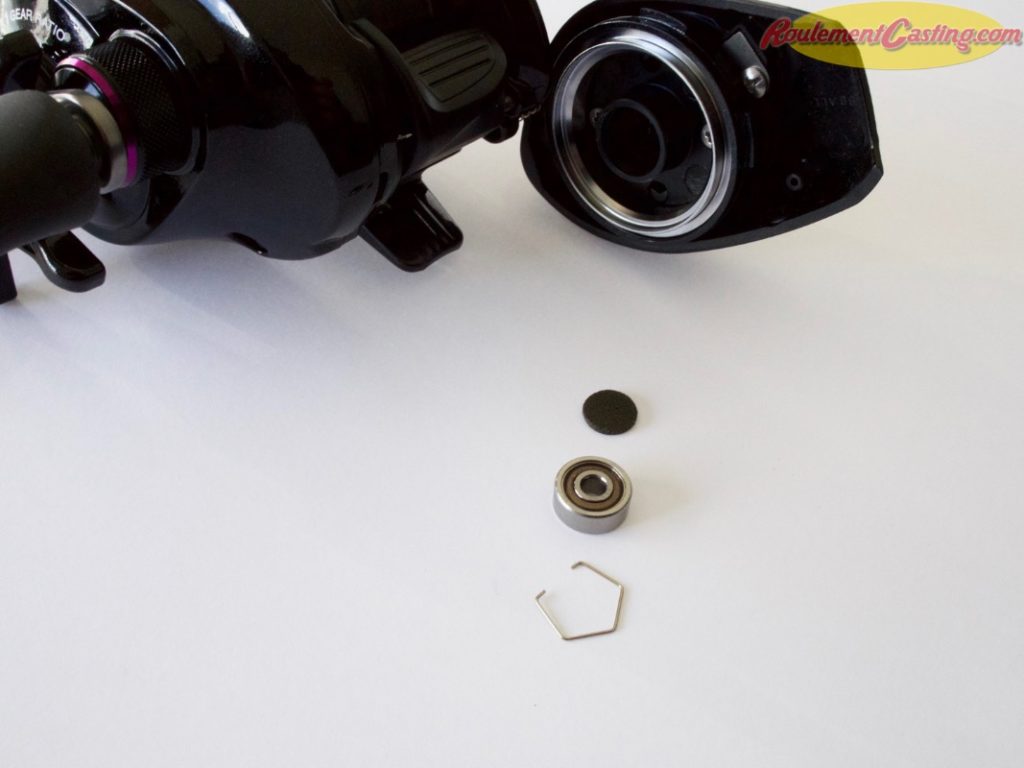
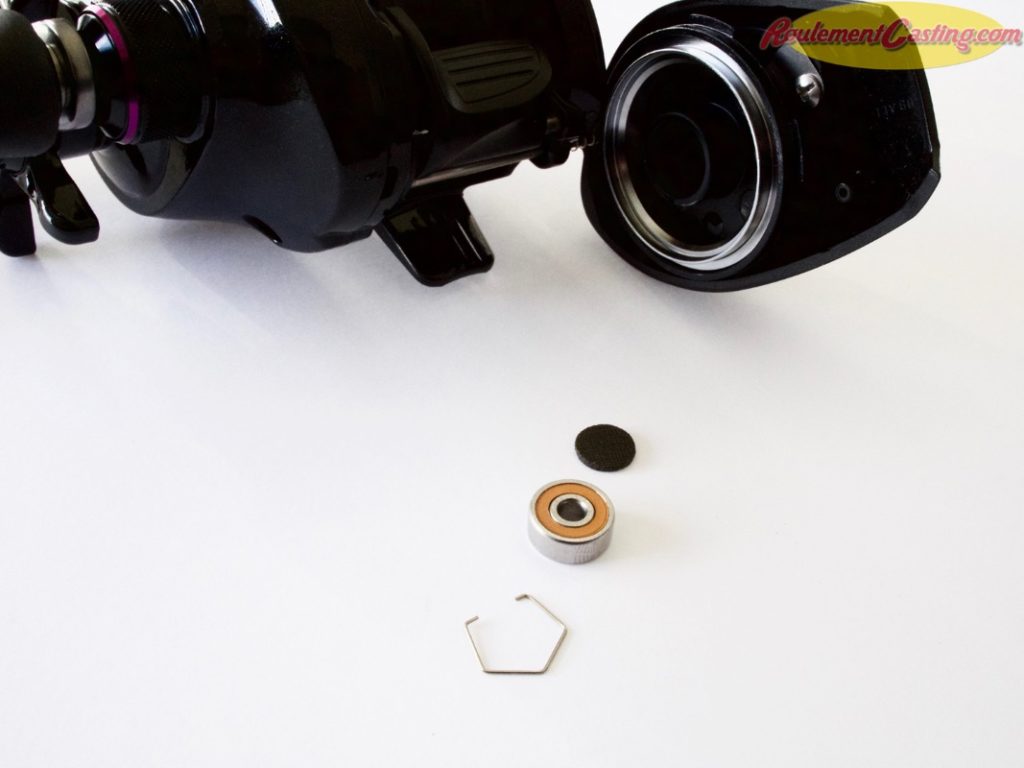
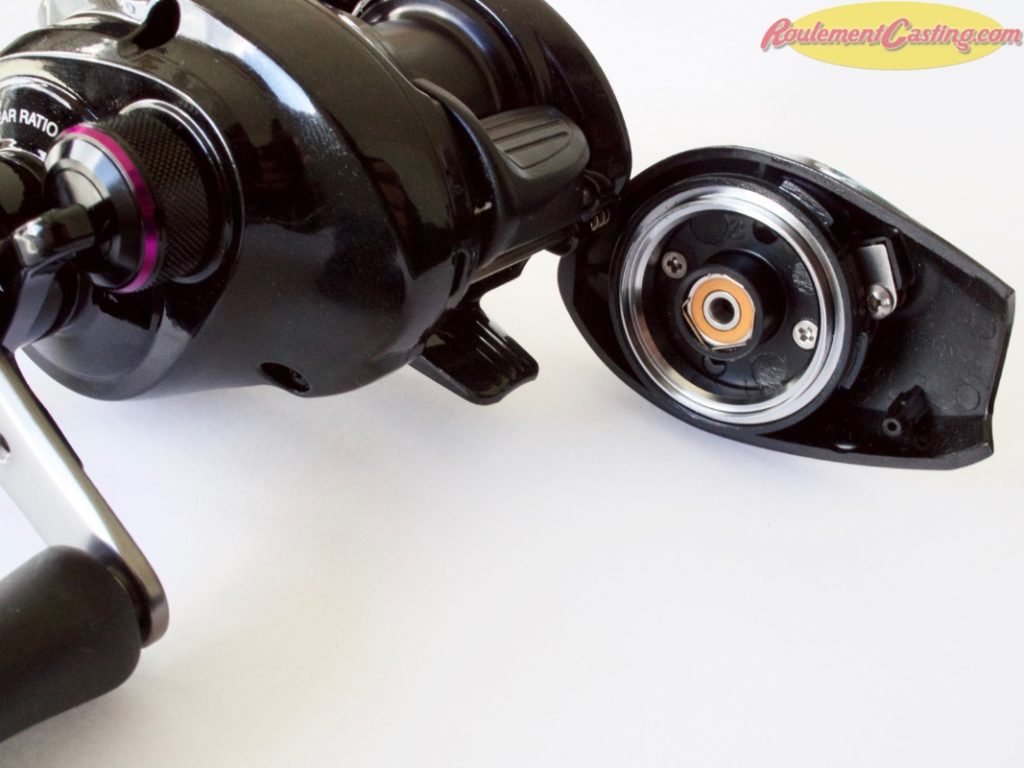
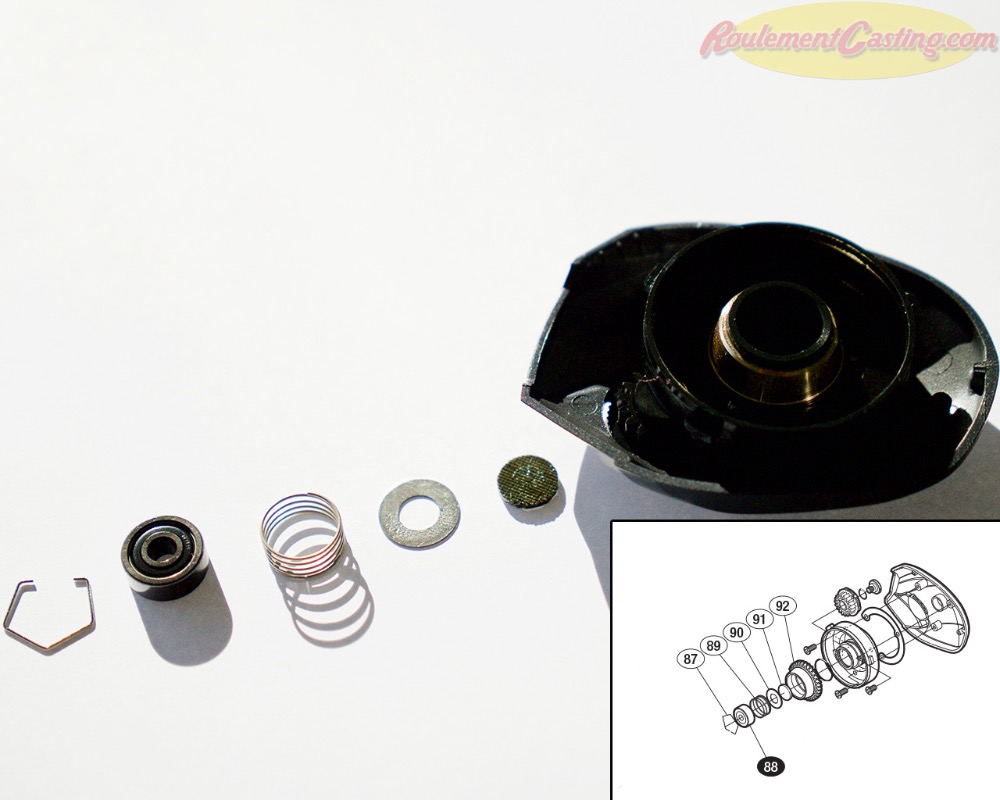
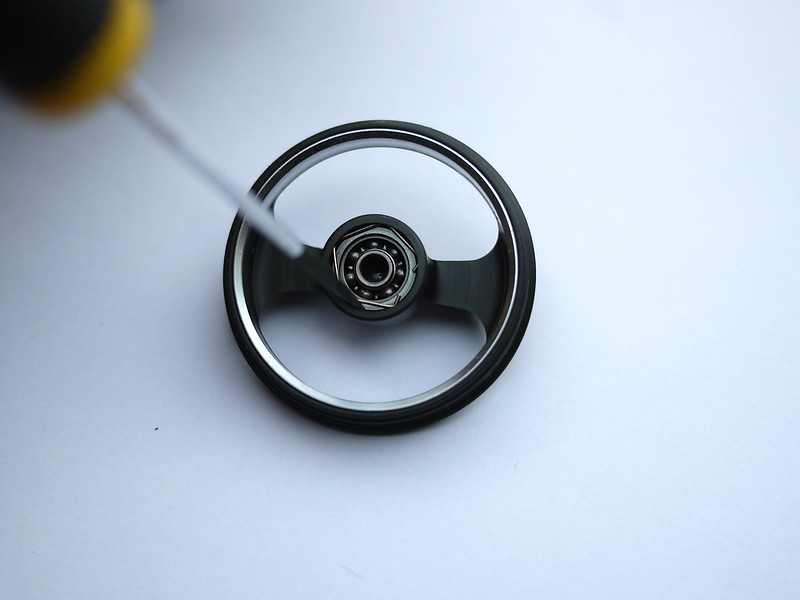
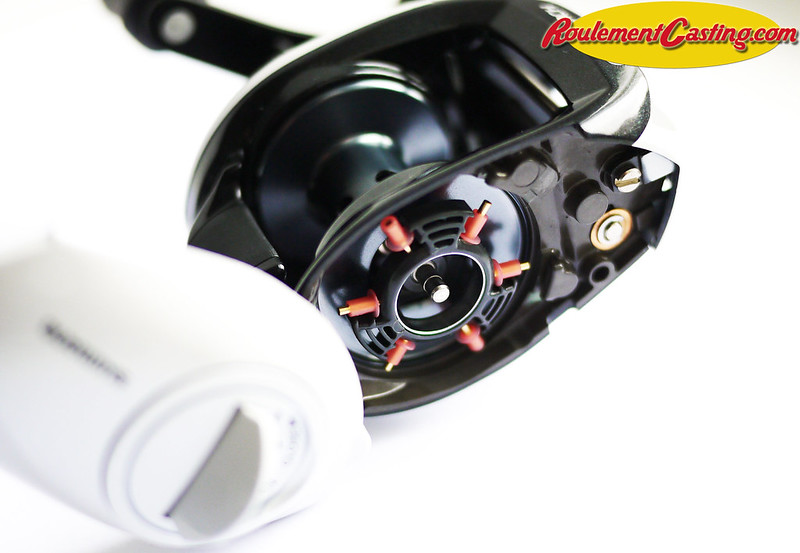
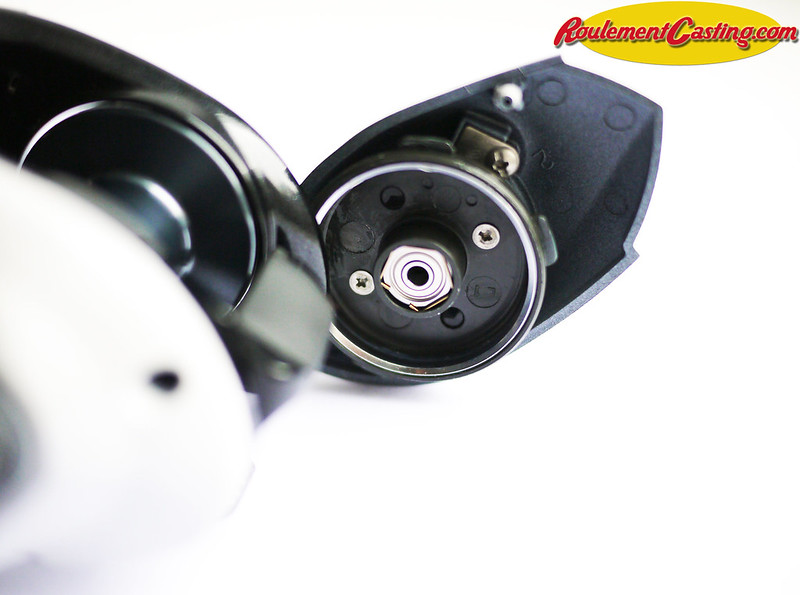
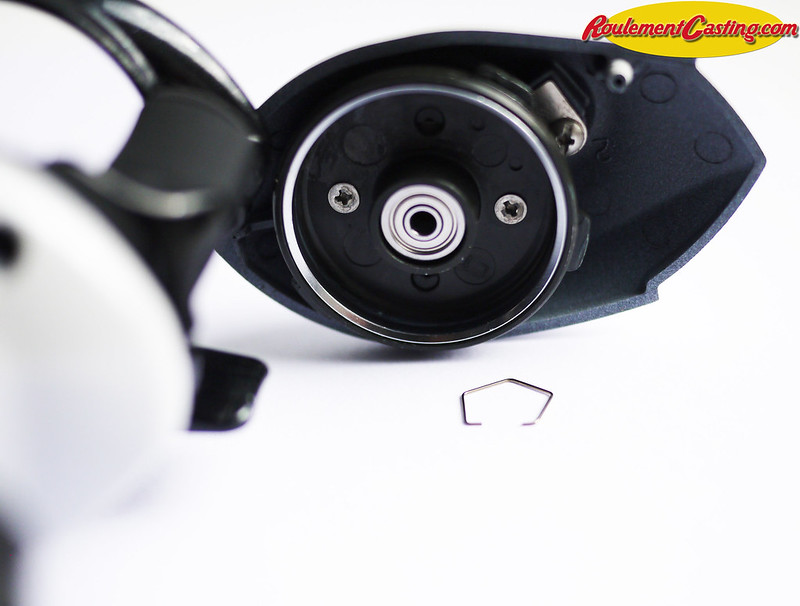
– Open the side plate to access the adjustment weights; the first bearing is located above it. To remove it, simply remove the metal clip holding it in place. You can use a precision screwdriver for this.
PLEASE NOTE: you should hold it in place with your finger to stop the part flying off when it comes loose!
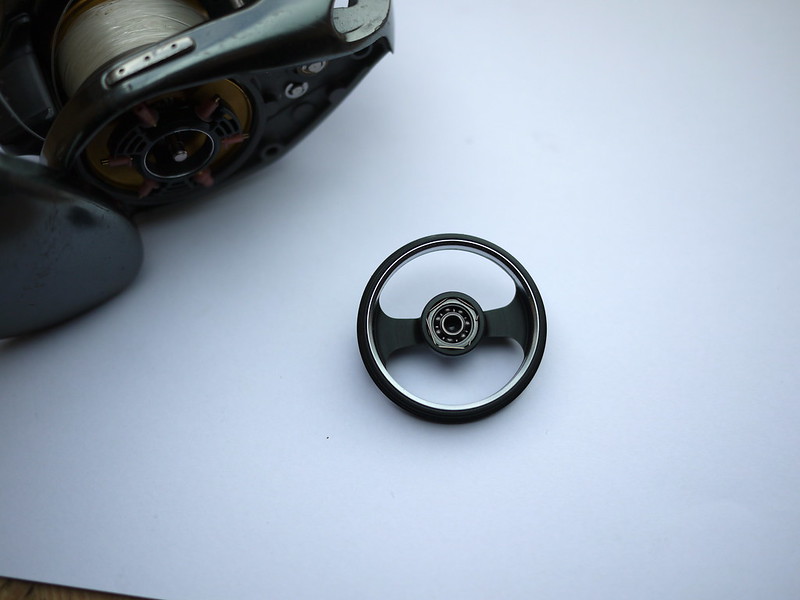
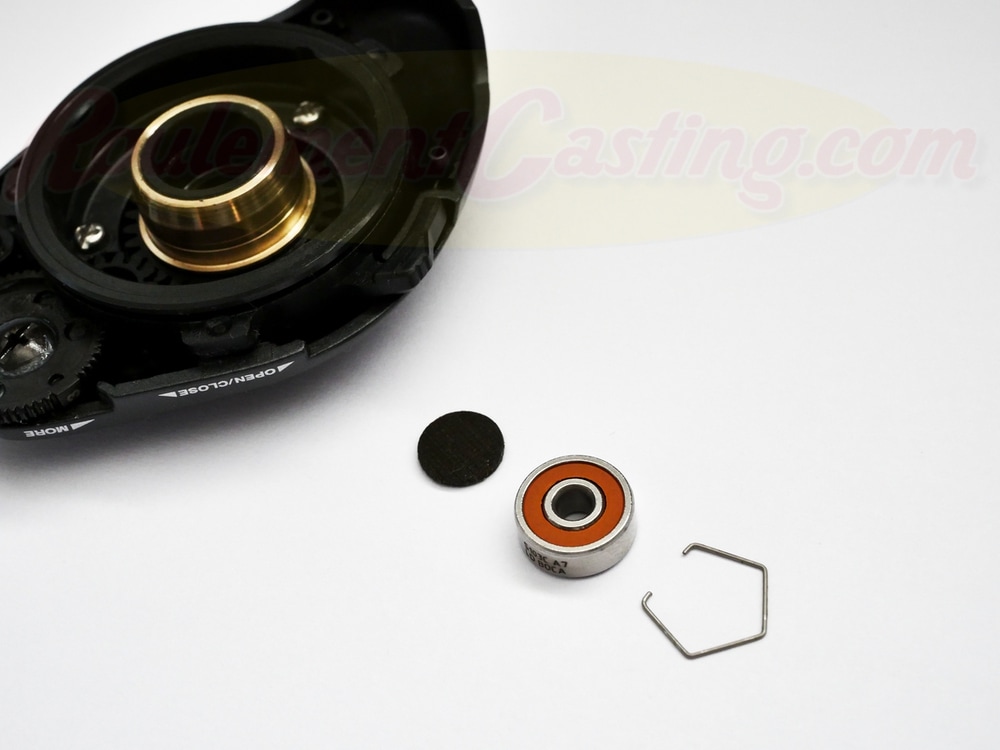
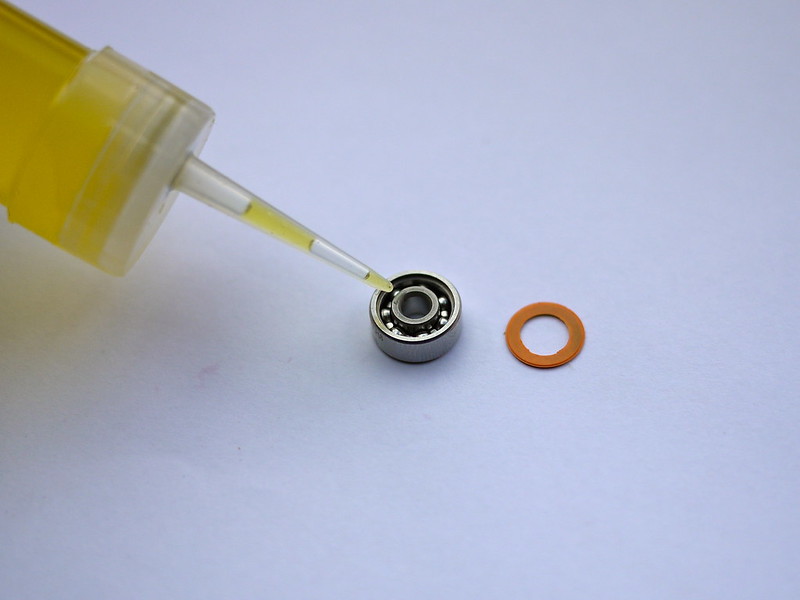
-Carefully remove the orange part (the seal) that protects the bearing using a sharp object (in this case, a fishhook). You can remove one or both – it’s up to you.
– Apply a drop of special bearing oil to the bearing. It’s then up to you whether or not to replace the seal. Fitting it protects the bearing from dirt but must be removed every time you want to oil the bearing, whereas leaving it off simplifies maintenance but leaves the mechanism more exposed. I opted for the second option.
– Place the new bearing in its housing and put the small metal part back in place.
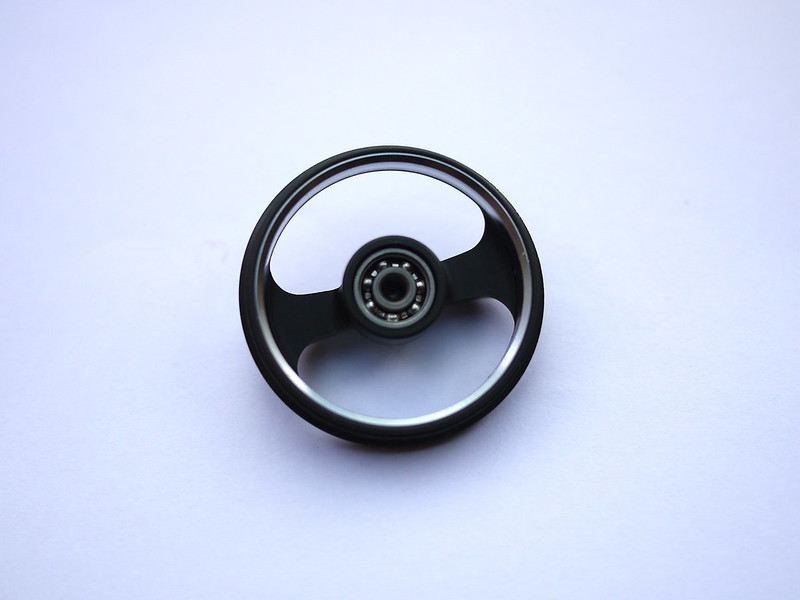
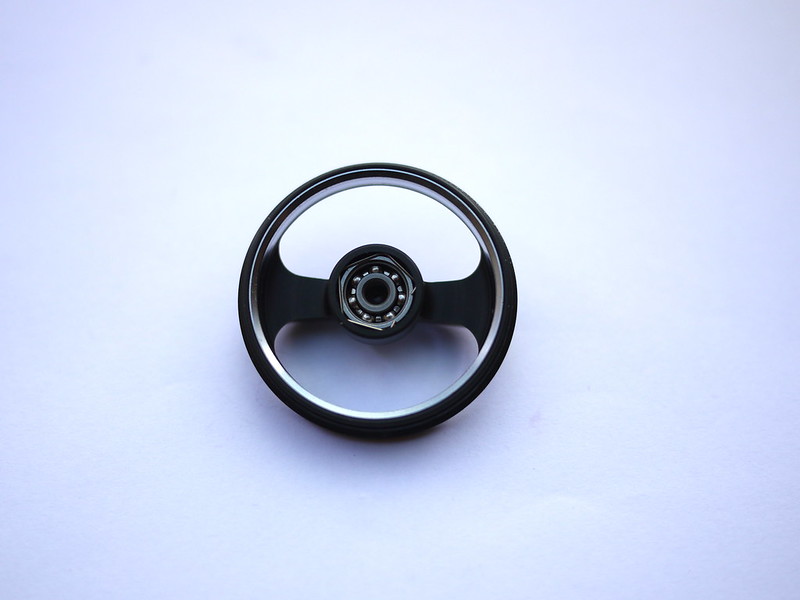
– You can close the sideplate. The second bearing is located in the friction brake lever at Shimano
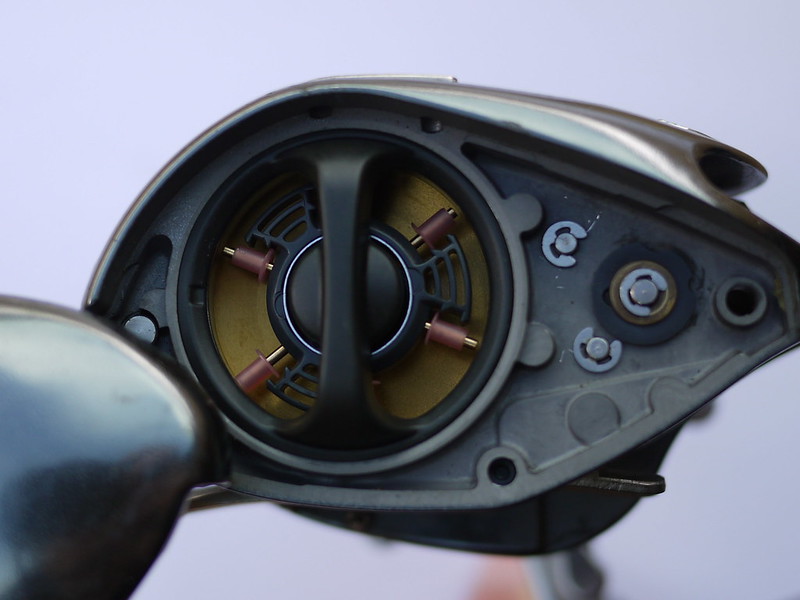
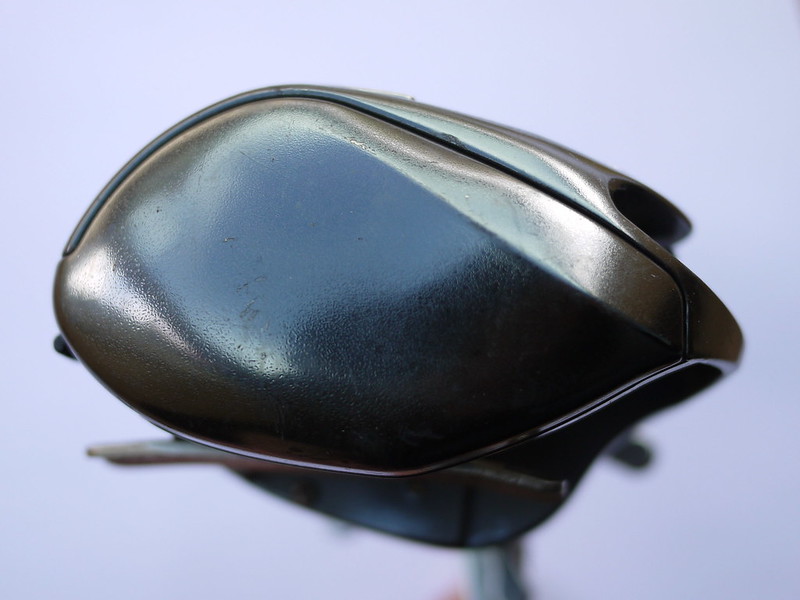
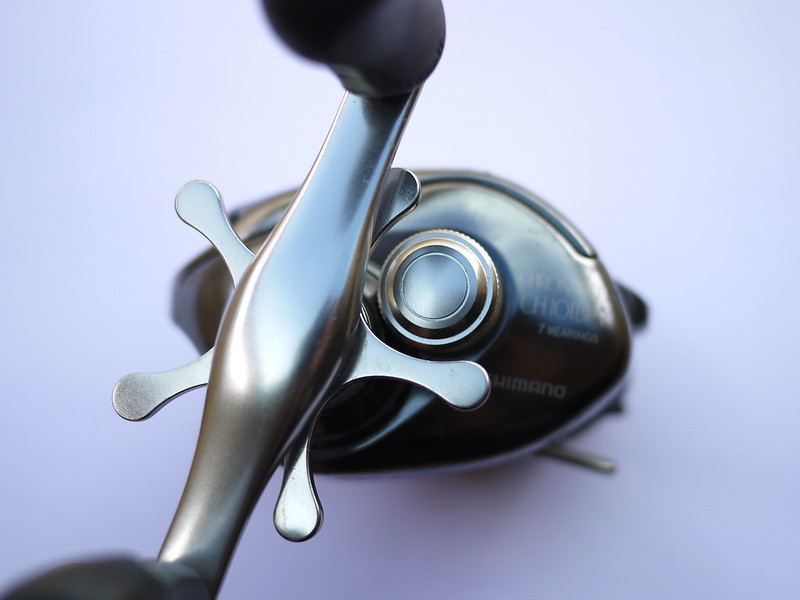
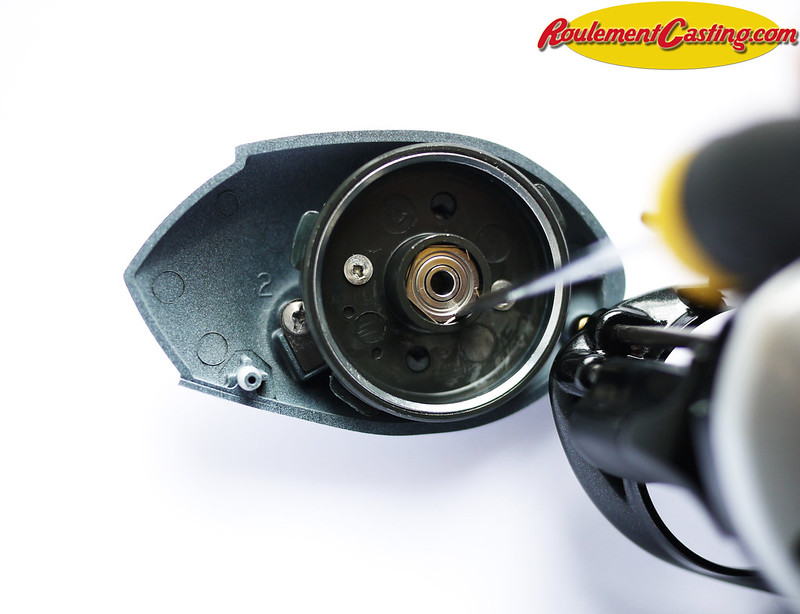
– Unscrew the knob
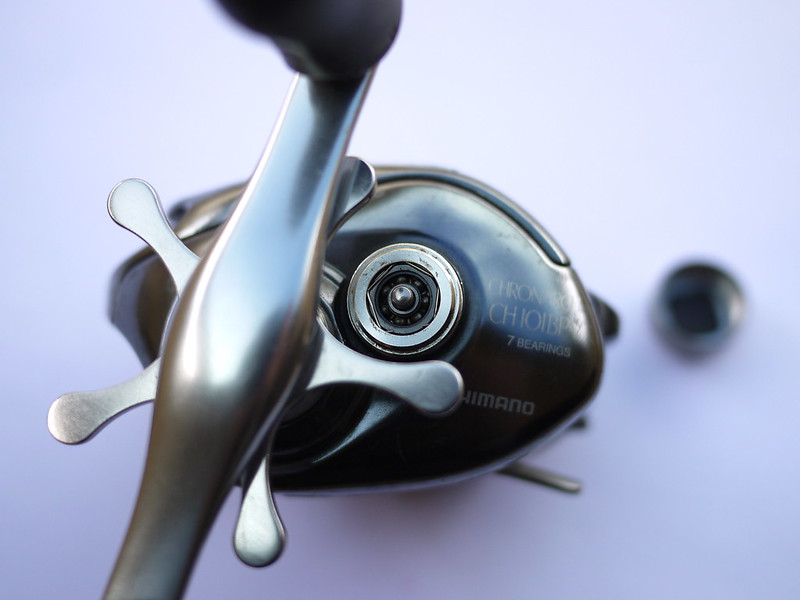
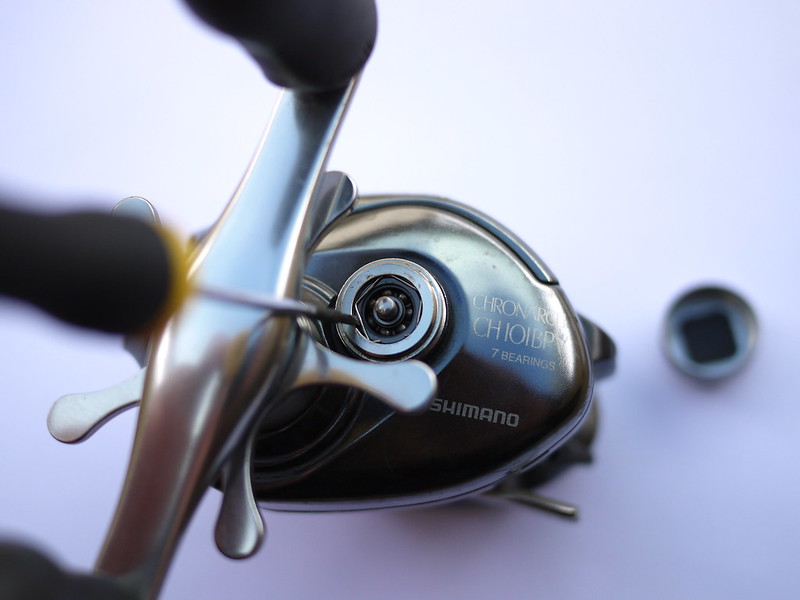
– Remove the bearing (if it is really stuck, removing the spool via the sideplate may make it easier to take out).
– Fit the new bearing after first oiling it as described above.
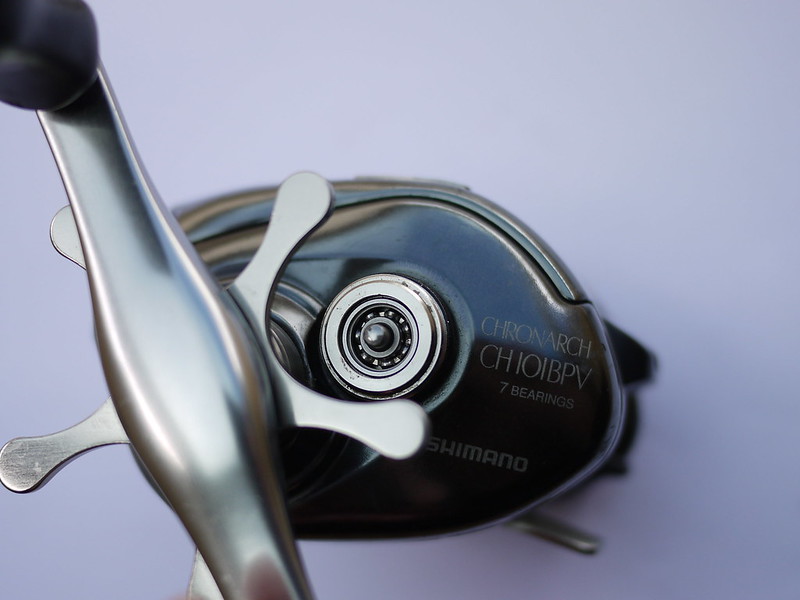
– Replace the small metal part and screw the knob back on.
It couldn't be simpler – it only takes two minutes! Ceramic bearings are a bit noisier than others, but don't worry, that's perfectly normal.
You can find our selection of parts for your Chronarch 101 BPV on the following page:
Improvement Shimano Chronarch 101 BPV
– Open the side plate to access the adjustment weights; the first bearing is located above it. To remove it, simply remove the metal clip holding it in place. You can use a precision screwdriver for this.
PLEASE NOTE: you should hold it in place with your finger to stop the part flying off when it comes loose!
-Carefully remove the orange part (the seal) that protects the bearing using a sharp object (in this case, a fishhook). You can remove one or both – it’s up to you.
– Apply a drop of oil LBT High-speed oil on the bearing. It’s then up to you whether or not to replace the seal. Fitting it protects the bearing from dirt but must be removed every time you want to oil the bearing, whereas not refitting it makes maintenance easier but leaves the mechanism more exposed. I opted for the second option.
– Place the new bearing in its housing and put the small metal part back in place.
– You can close the sideplate. The second bearing is located in the friction brake lever at Shimano
– Unscrew the knob
– Remove the bearing (if it is really stuck, removing the spool via the sideplate may make it easier to take out).
– Fit the new bearing after first oiling it as described above.
– Replace the small metal part and screw the knob back on.
It couldn't be simpler – it only takes two minutes! Ceramic bearings are noisier than other types, but don't worry, that's perfectly normal.
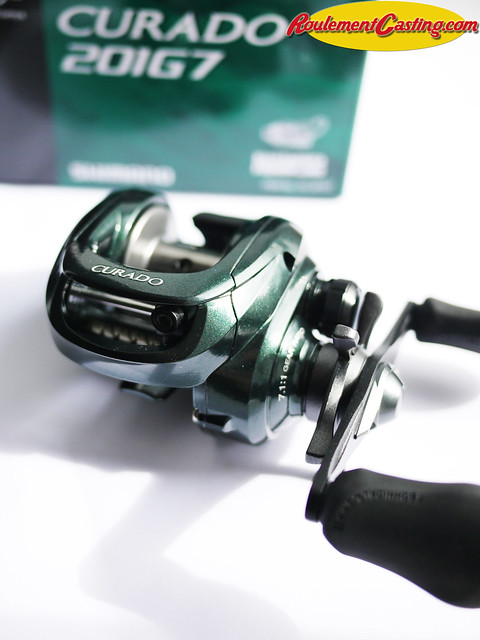
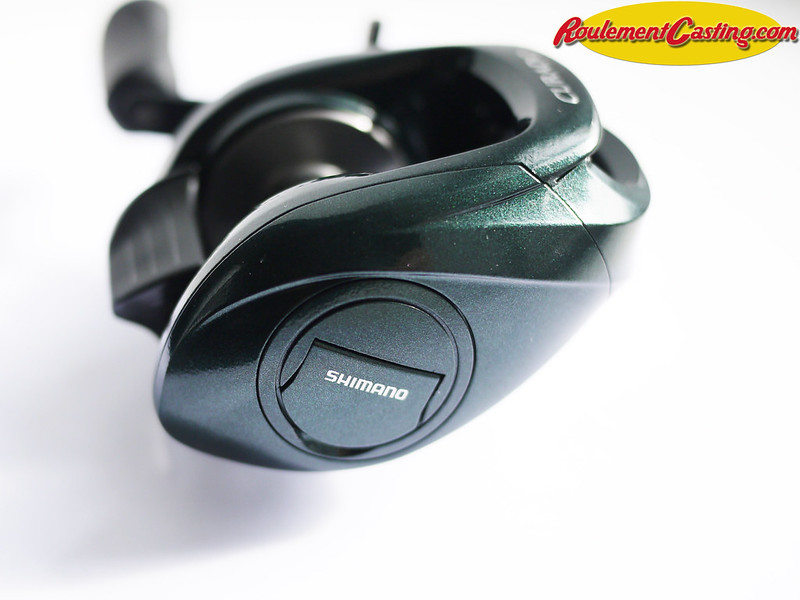
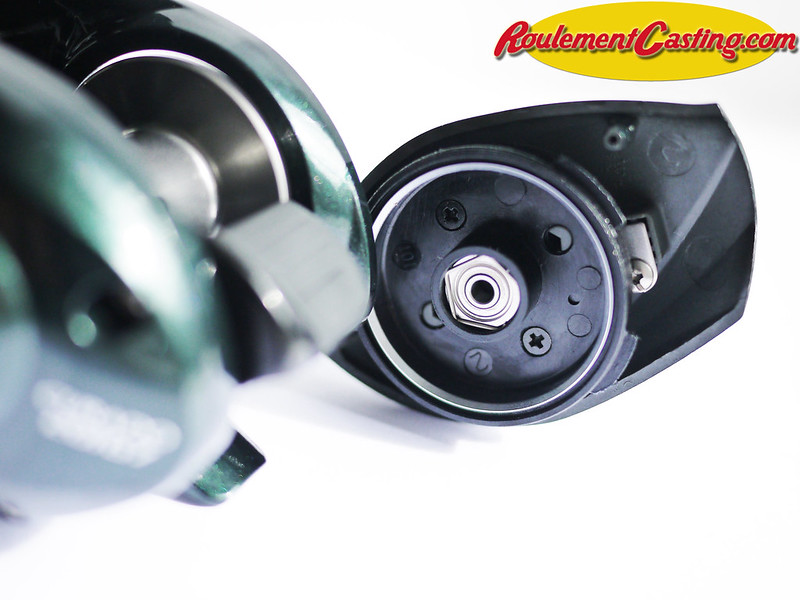
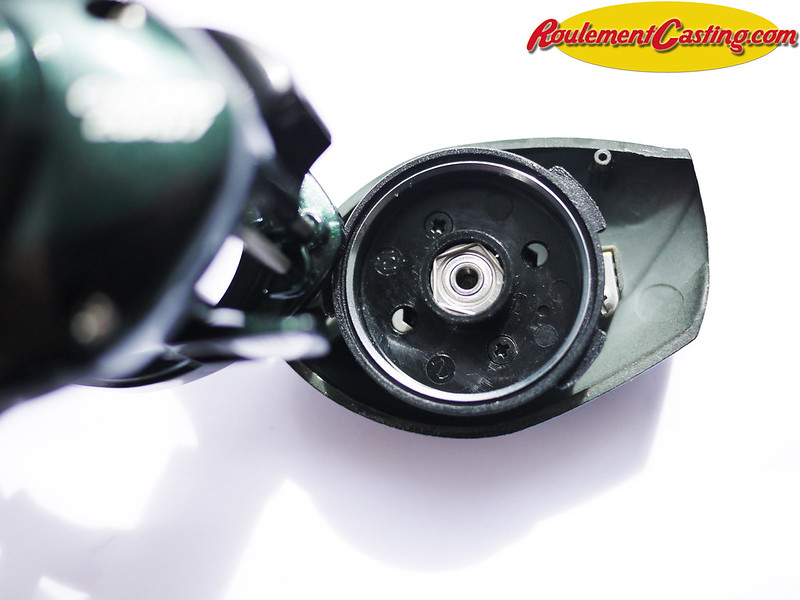
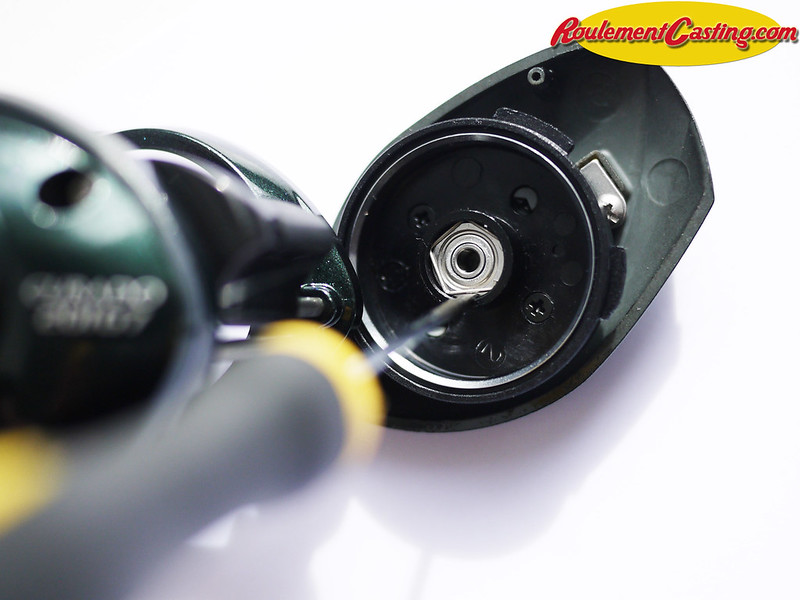
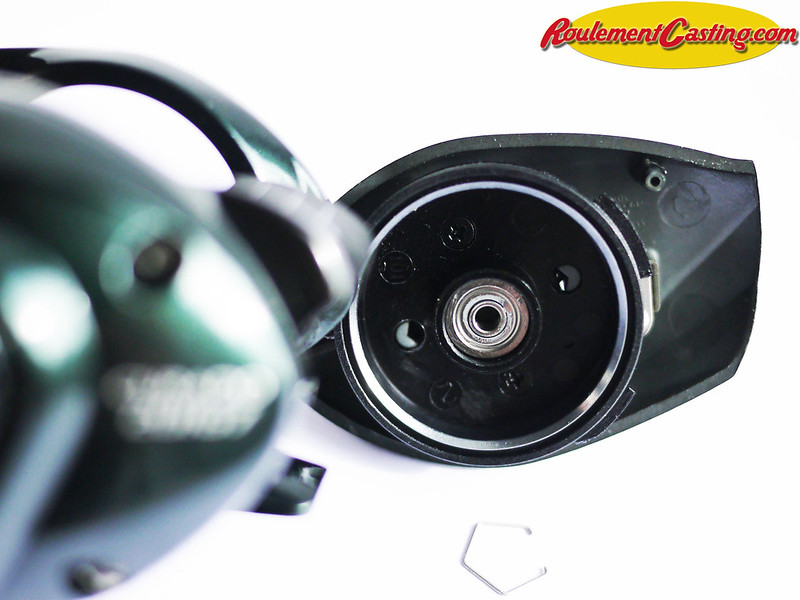
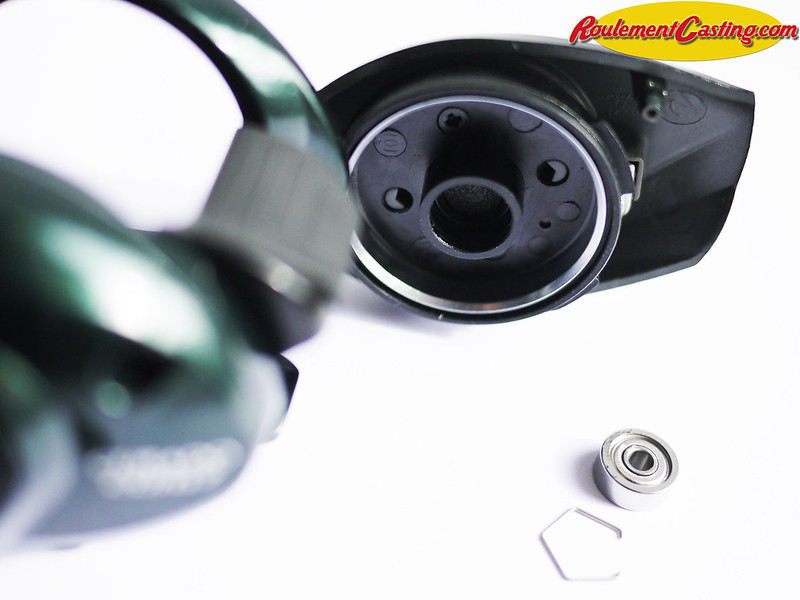
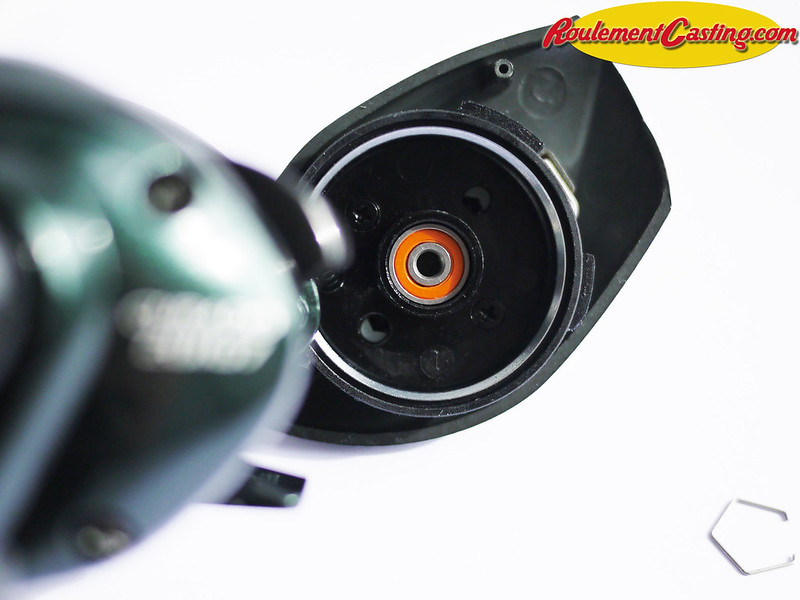
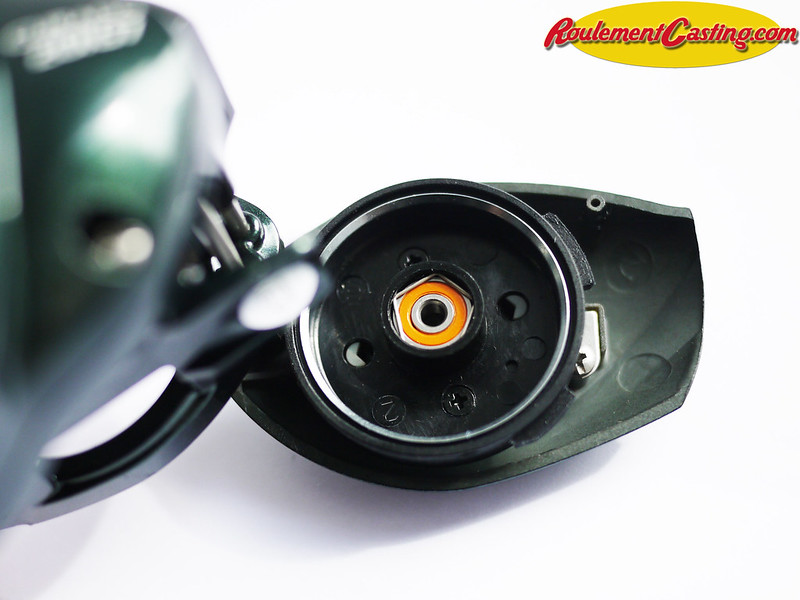
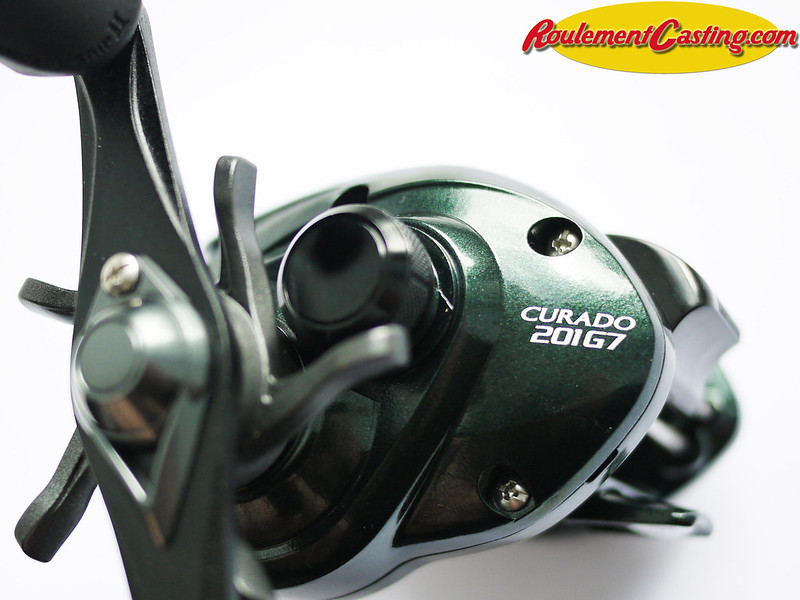
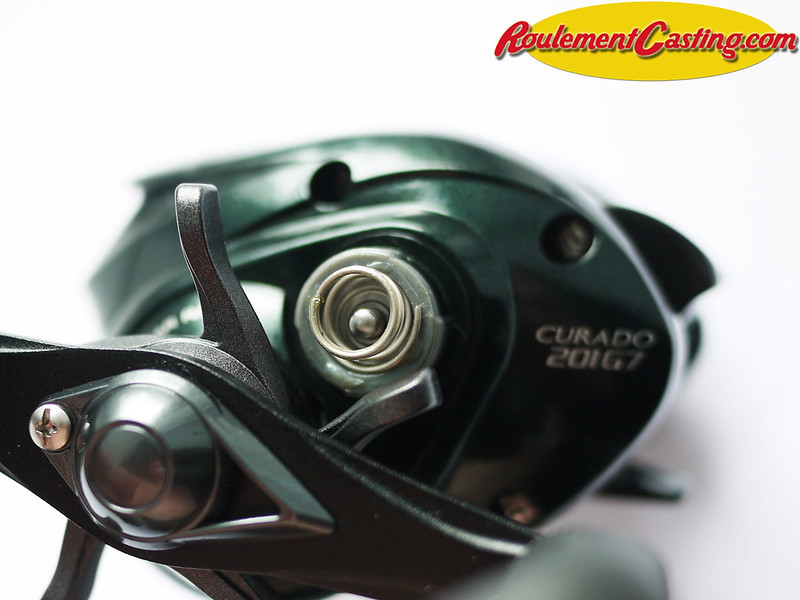
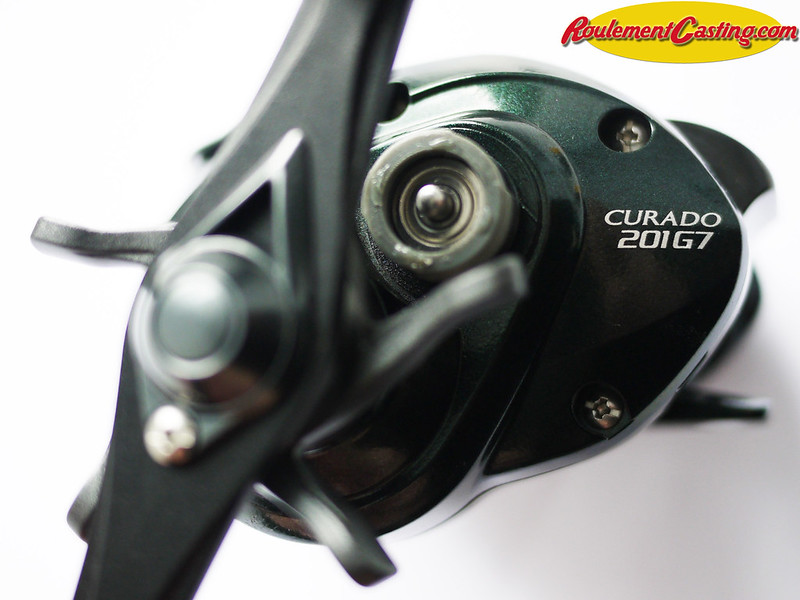
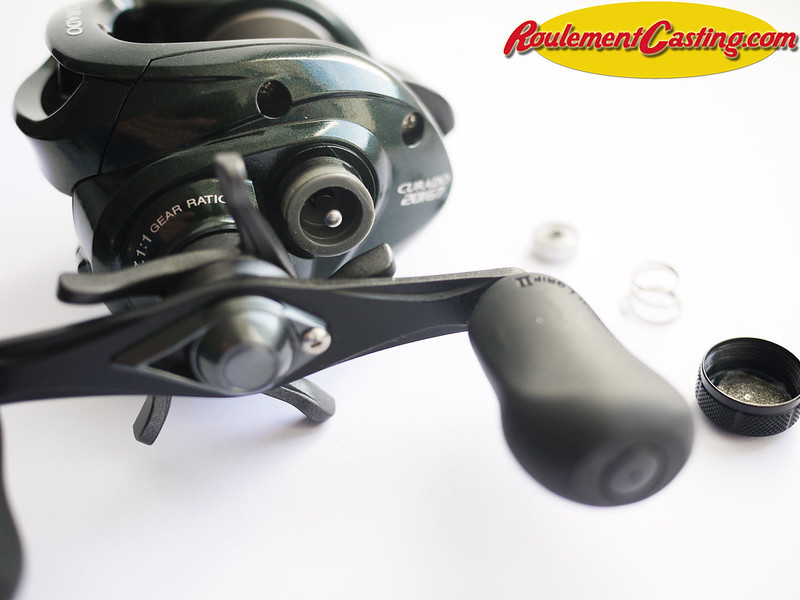
We’re going to look at how to quickly and easily replace the ball bearings on a Shimano Curado 201G7 to significantly improve its performance.
You can find our selection of parts for your Curado 201G7 on the following page:
Shimano Curado 201G7 Upgrade

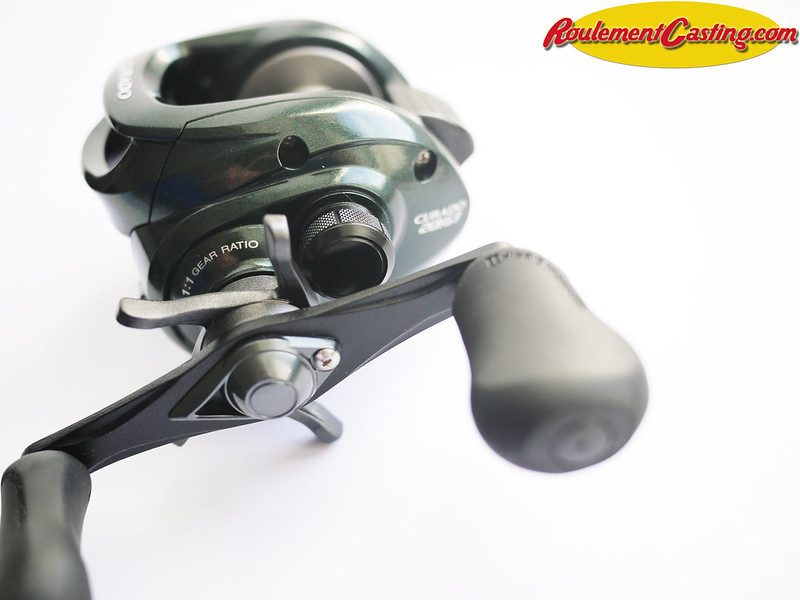
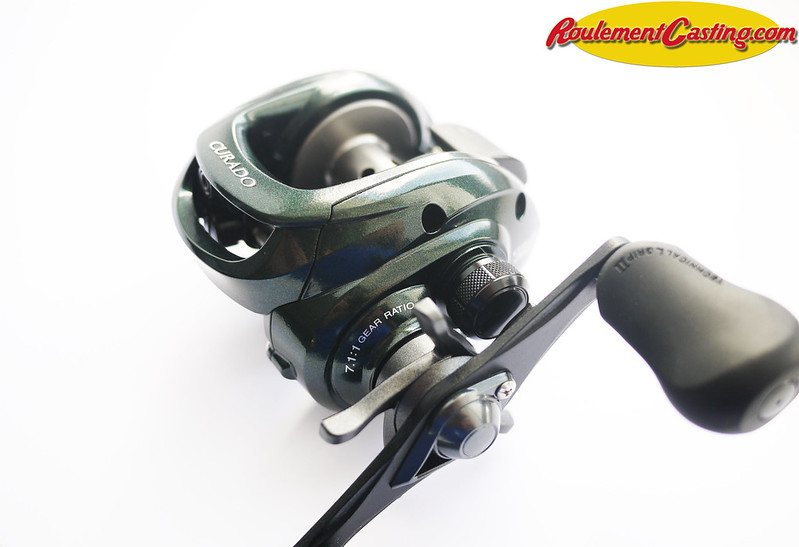
You can find our selection of parts for your Curado Bantam on the following page:
Shimano Curado Bantam Upgrade
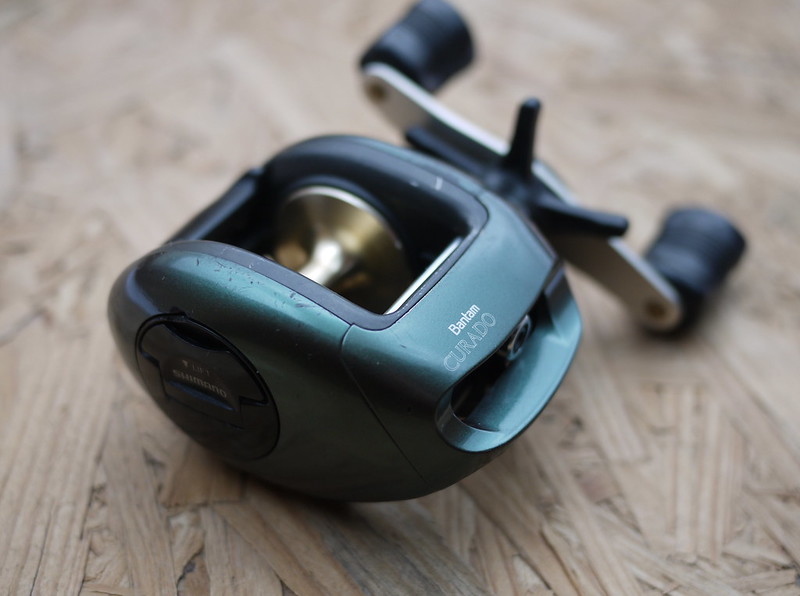
– Open the side plate to access the adjustment weights; the first bearing is located above it. To remove it, simply remove the metal clip holding it in place. You can use a precision screwdriver for this.
PLEASE NOTE: you should hold it in place with your finger to stop the part flying off when it comes loose!
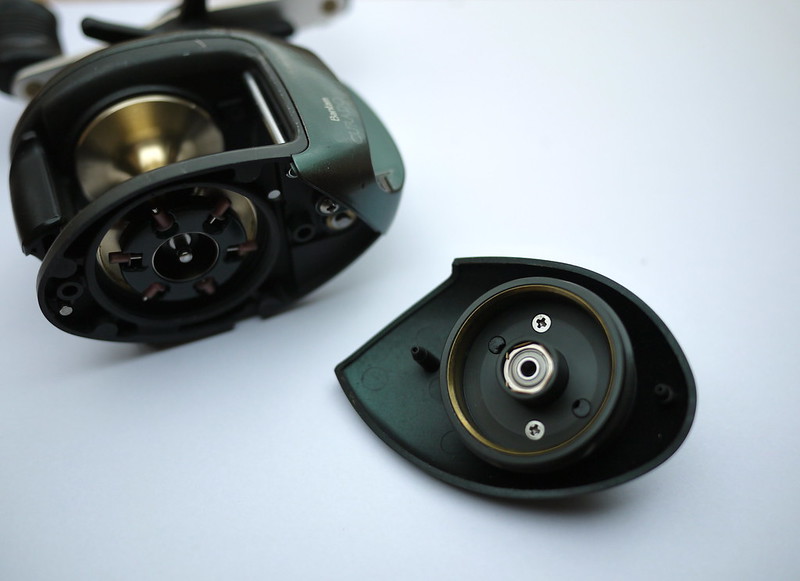
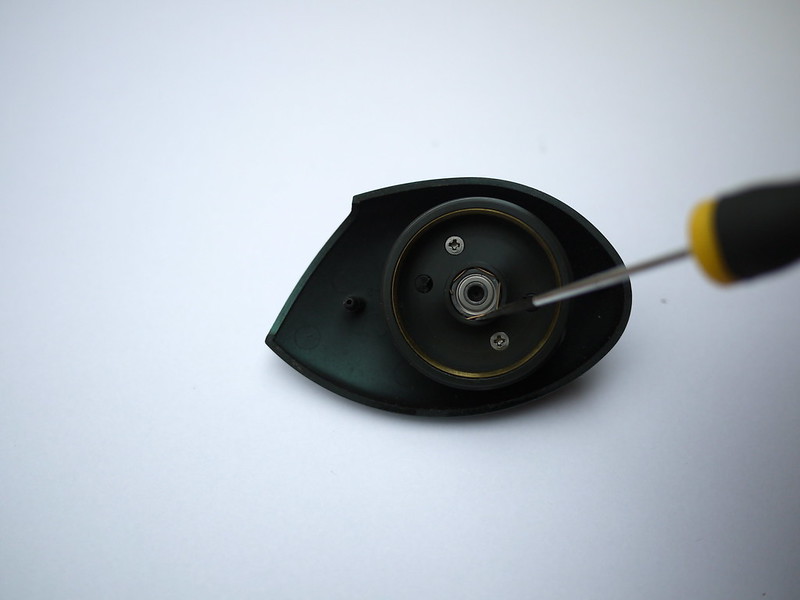
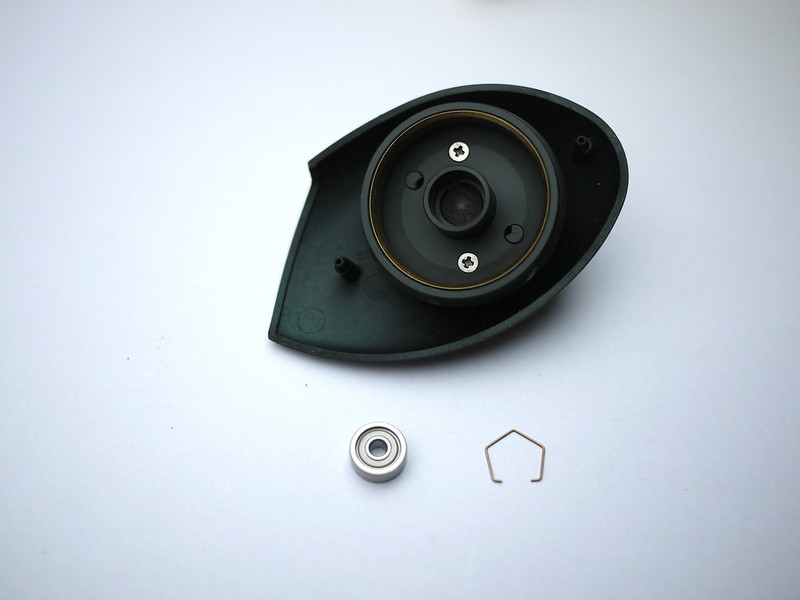
-Carefully remove the orange part (the seal) that protects the bearing using a sharp object (in this case, a fishhook). You can remove one or both – it’s up to you.
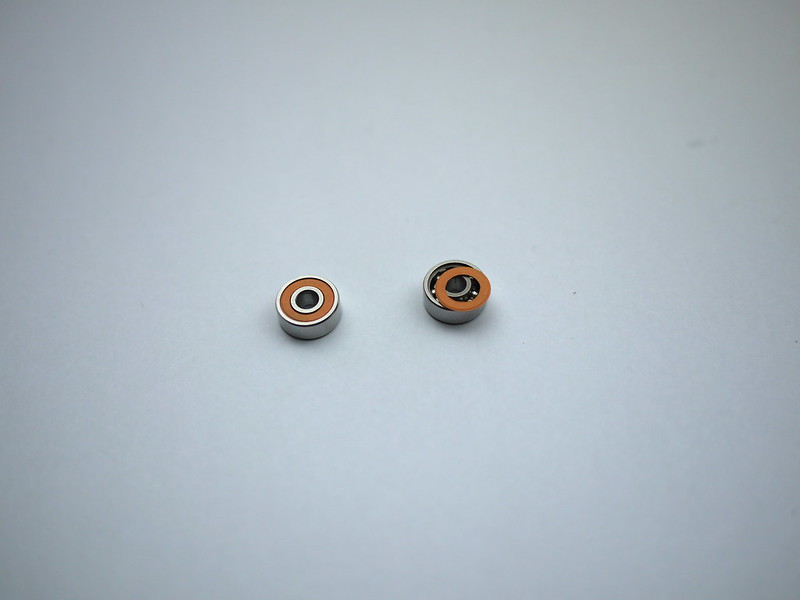
– Apply a drop of special bearing oil to the bearing. It’s then up to you whether or not to replace the seal. Fitting it protects the bearing from dirt but must be removed every time you want to oil the bearing, whereas not refitting it simplifies maintenance but leaves the mechanism more exposed. I opted for the second option.
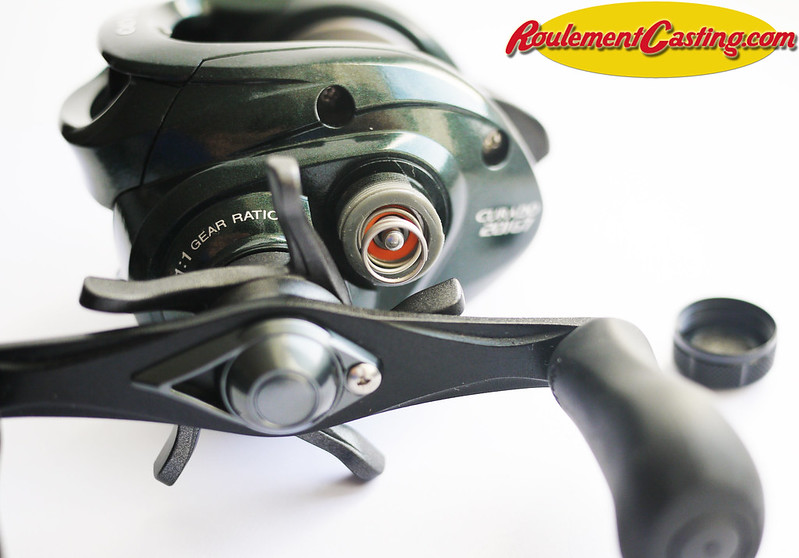
– Place the new bearing in the housing and put the small metal part back in position. For the photo, I put the orange seal back on the bearing.
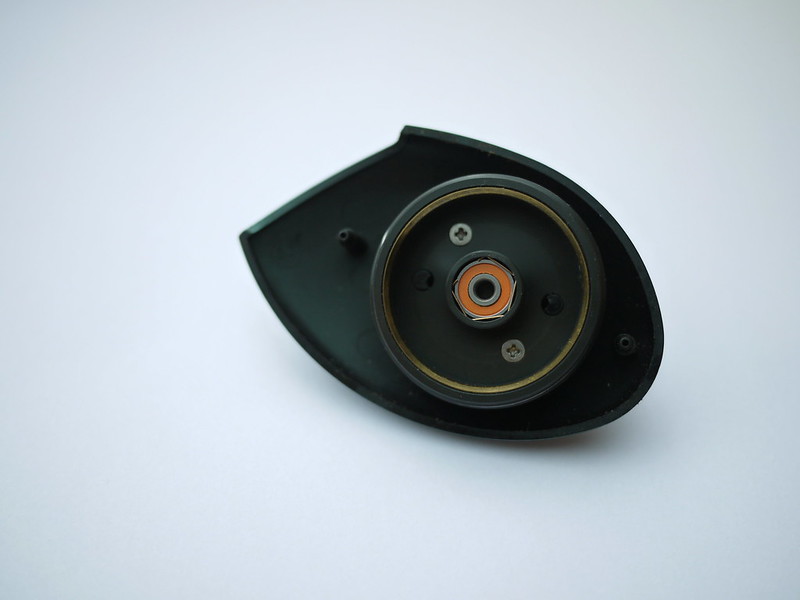
– You can close the sideplate. The second bearing is located in the friction brake lever at Shimano
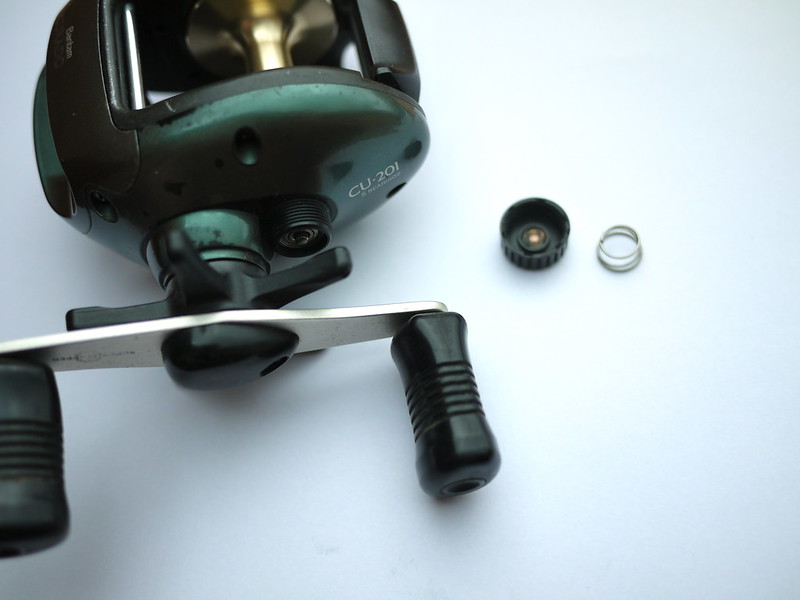
– Unscrew the knob and remove the spring located between the knob and the bearing
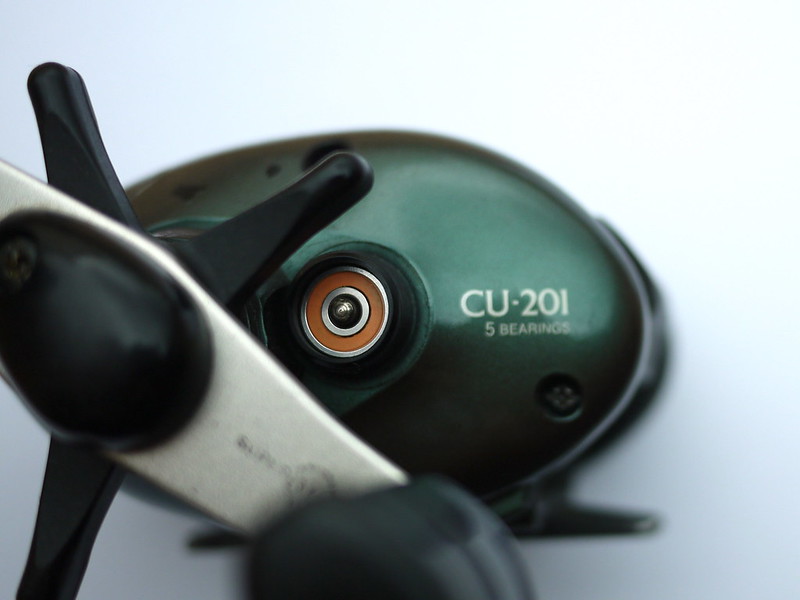
– Remove the bearing (if it is really stuck, removing the spool via the sideplate may make it easier to take out).
– Fit the new bearing after oiling it as described above. In this case, I put the orange seal back in place on the bearing for the photo.
– Replace the spring and screw the knob back on.
It couldn't be simpler – it only takes two minutes! The ceramic bearings are a bit noisier than the originals, but don't worry, that's perfectly normal.
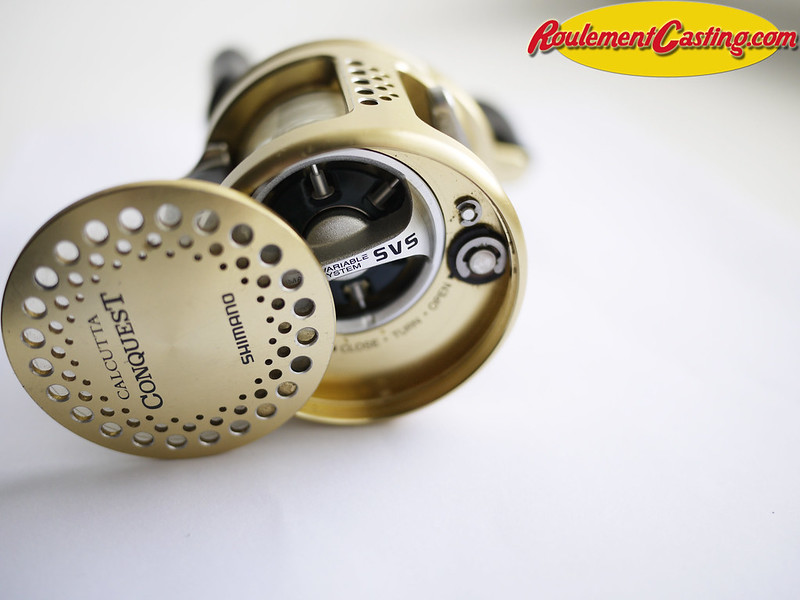
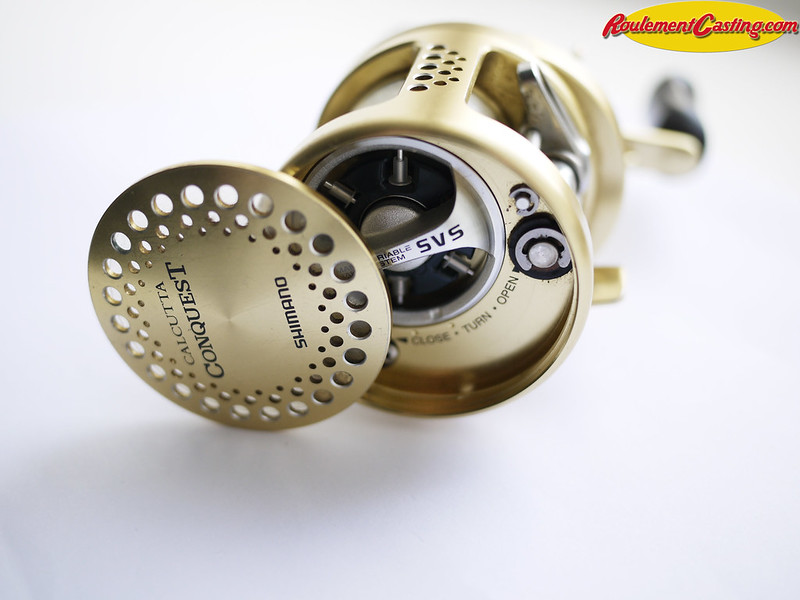
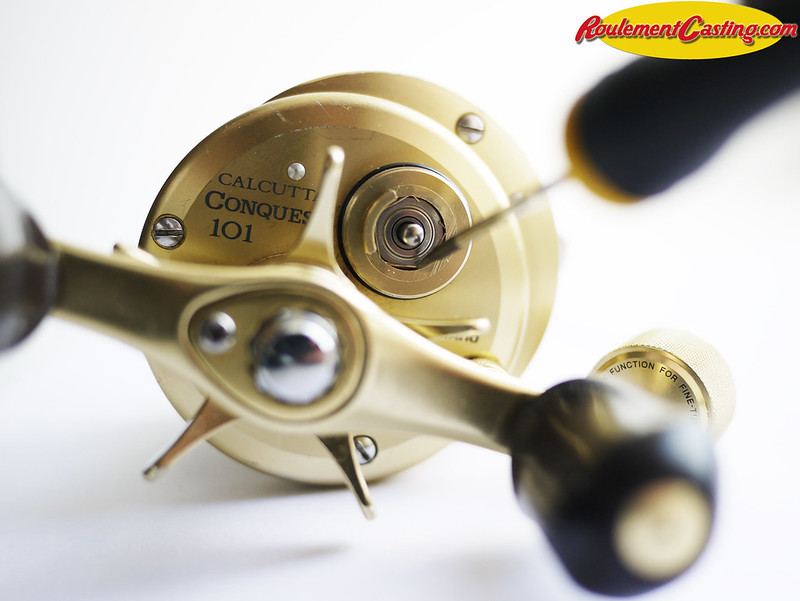
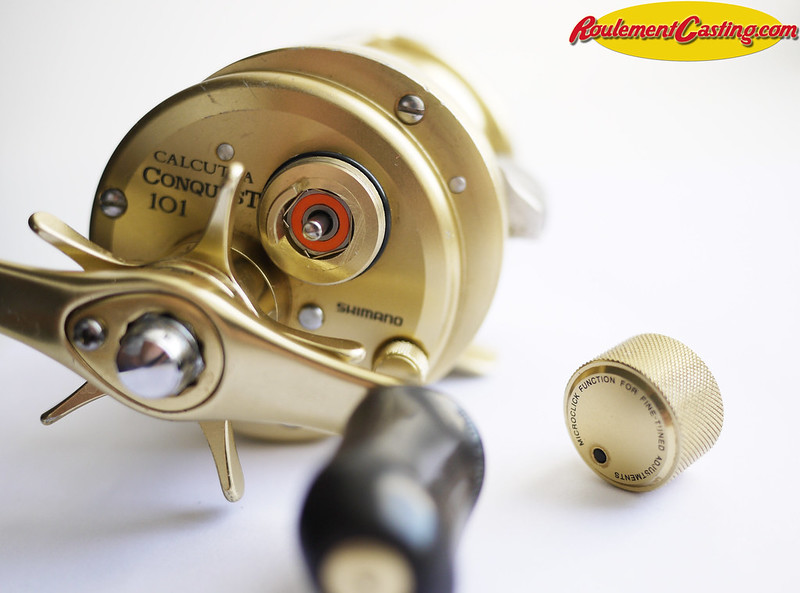
We’re going to look at how to quickly and easily replace the ball bearings on a Shimano Calcutta 101 Conquest to significantly improve its performance.
You can find our selection of parts for your 01 Conquest on the following page:
Shimano 01 Conquest Upgrade

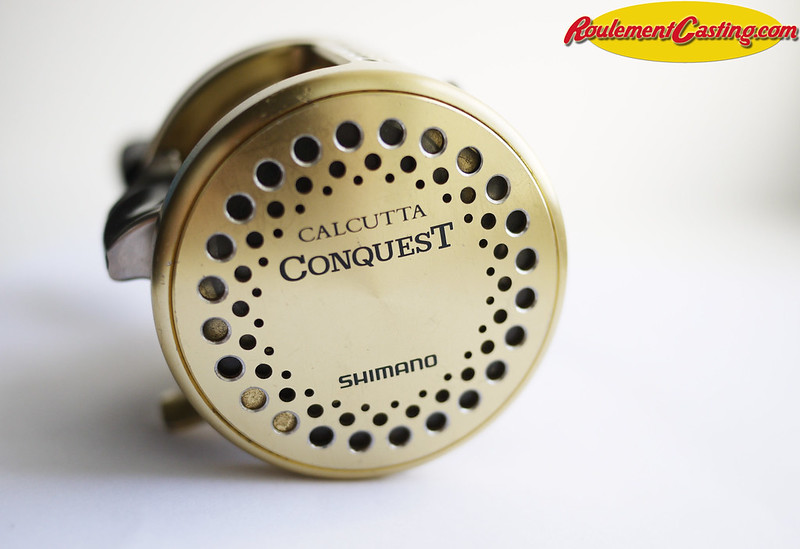






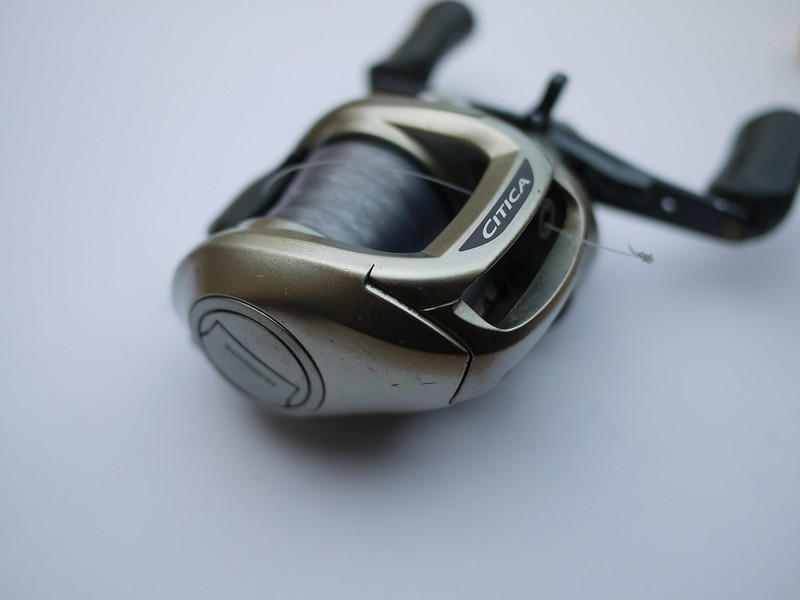
You can find our selection of parts for your Citica E on the following page:
Shimano Citica E Upgrade
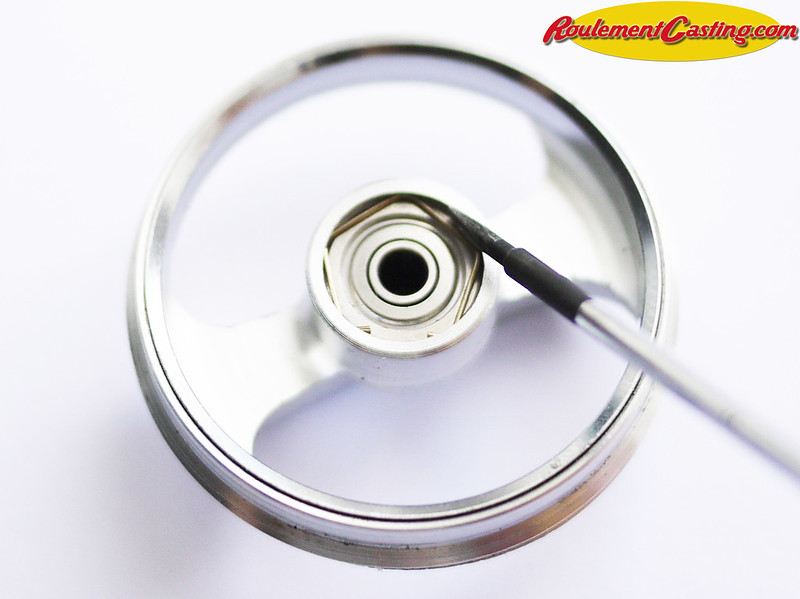
– Open the side plate to access the adjustment weights; the first bearing is located above it. To remove it, simply remove the metal clip holding it in place. You can use a precision screwdriver for this.
PLEASE NOTE: you should hold it in place with your finger to stop the part flying off when it comes loose!
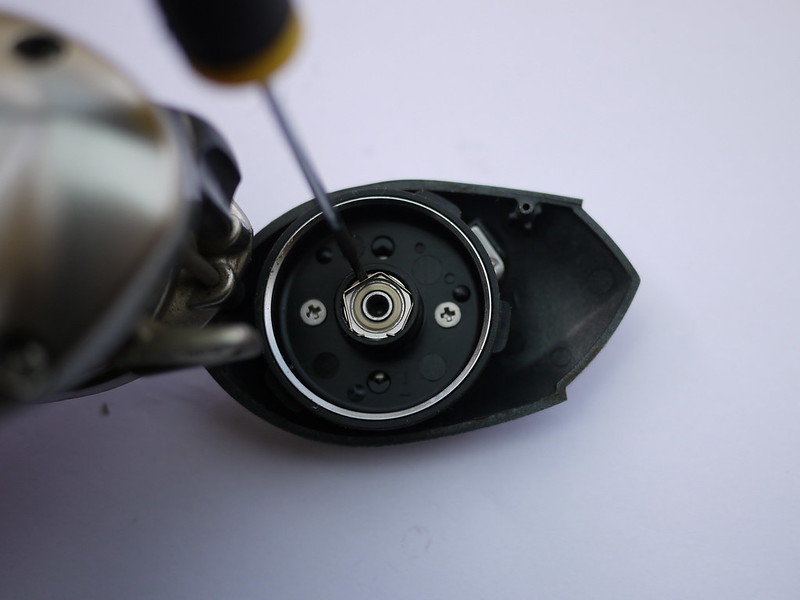
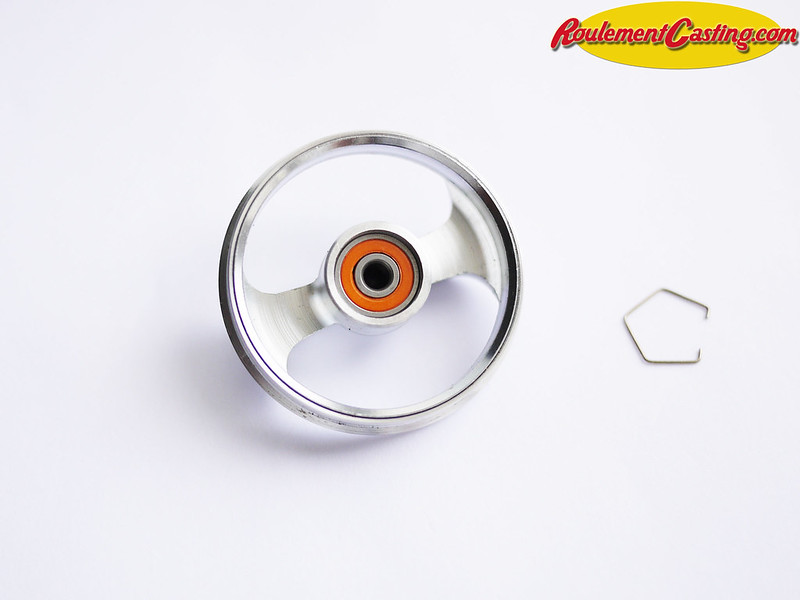
-Carefully remove the orange part (the seal) that protects the bearing using a sharp object (in this case, a fishing hook). You can remove just one or both – it’s up to you.
– Apply a drop of special bearing oil to the bearing. It’s then up to you whether or not to replace the seal. Fitting it protects the bearing from dirt but must be removed every time you want to oil the bearing, whereas leaving it off simplifies maintenance but leaves the mechanism more exposed. I opted for the second option.
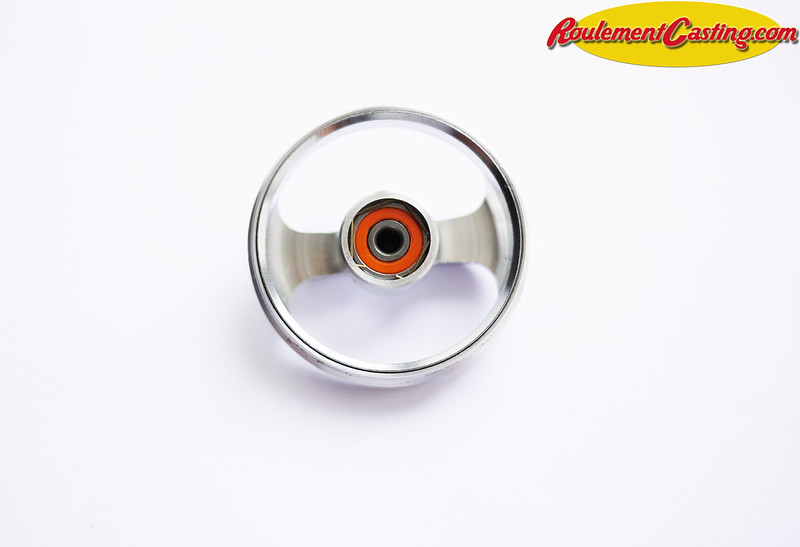
– Place the new bearing in its housing and put the small metal part back in place.
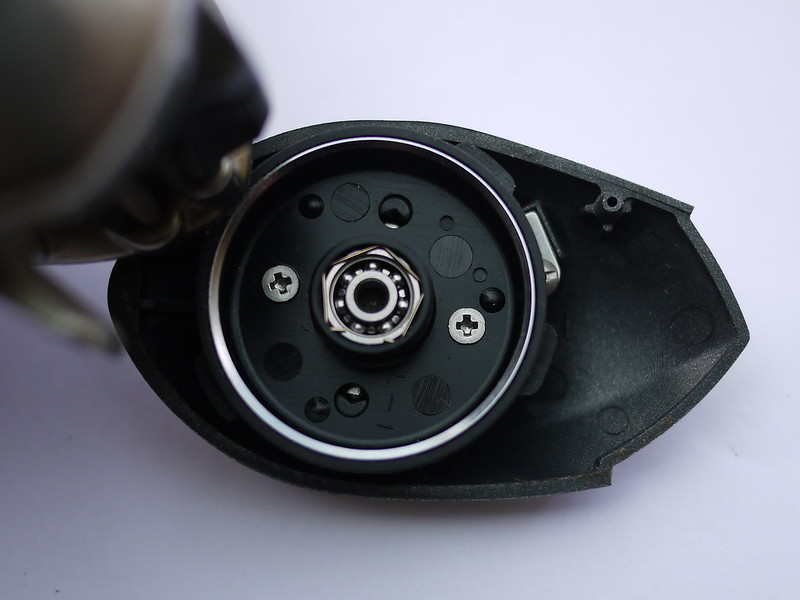
– You can close the sideplate. The second bearing is located in the friction brake lever at Shimano
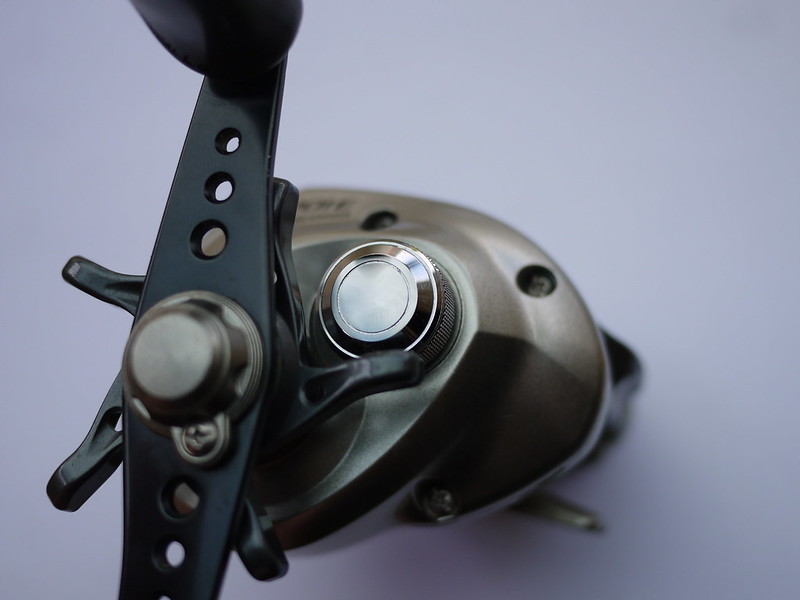
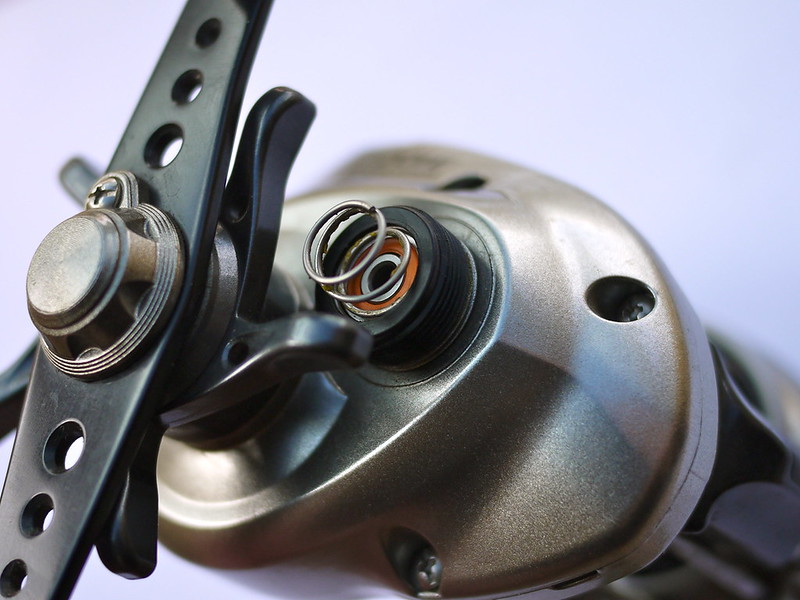
– Unscrew the knob and remove the spring located between the knob and the bearing
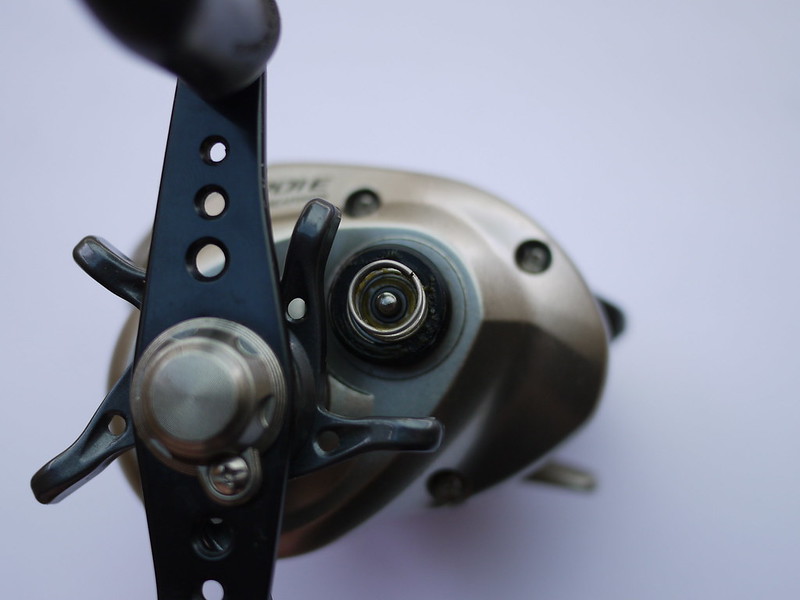
– Remove the bearing (if it is really stuck, removing the spool via the sideplate may make it easier to take out).
– Fit the new bearing after oiling it as described above. In this case, I put the orange seals back on the bearing for the photo.
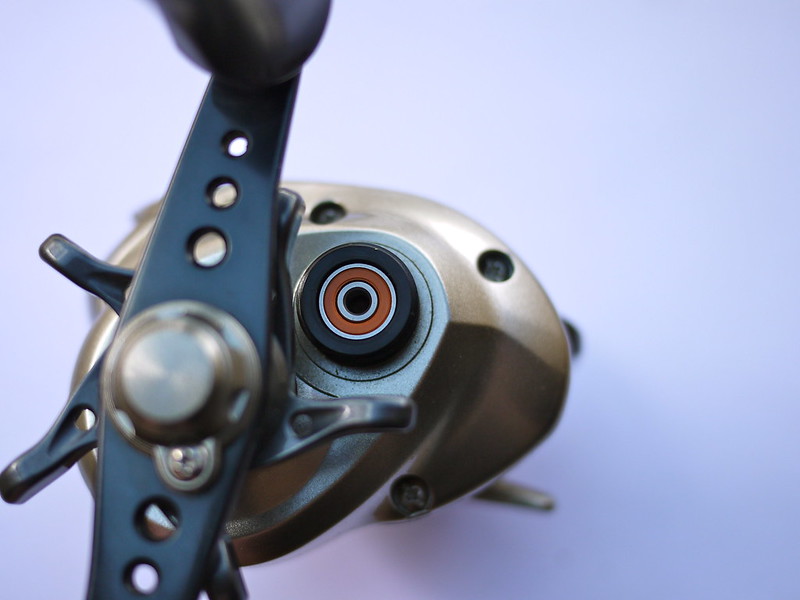
– Replace the spring and screw the knob back on.
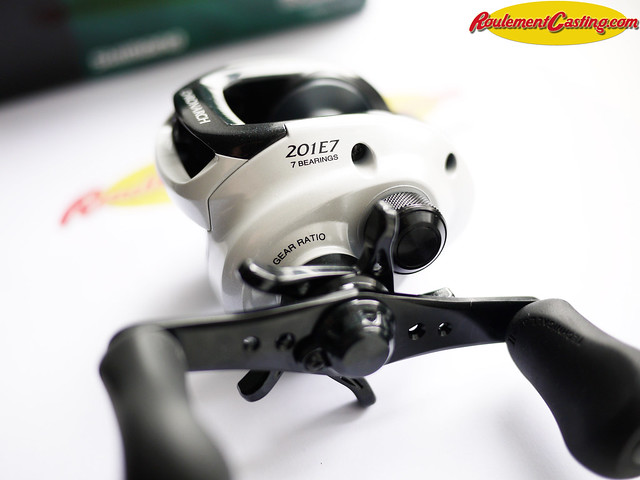
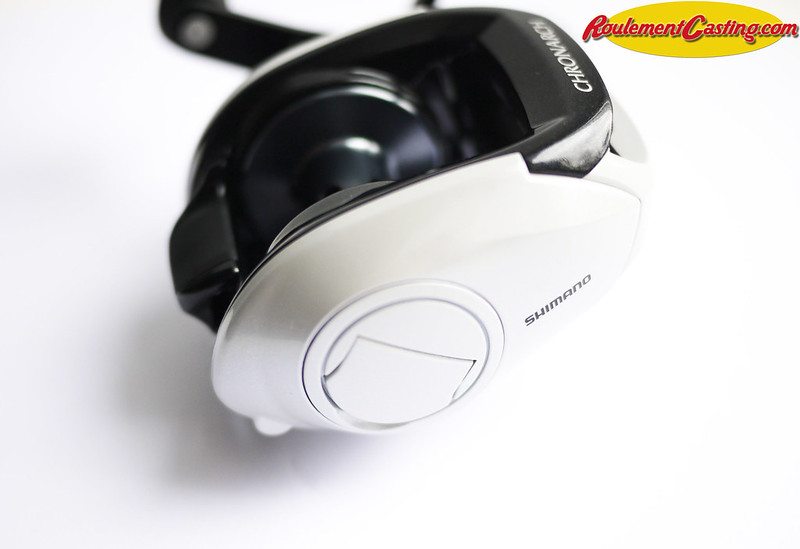
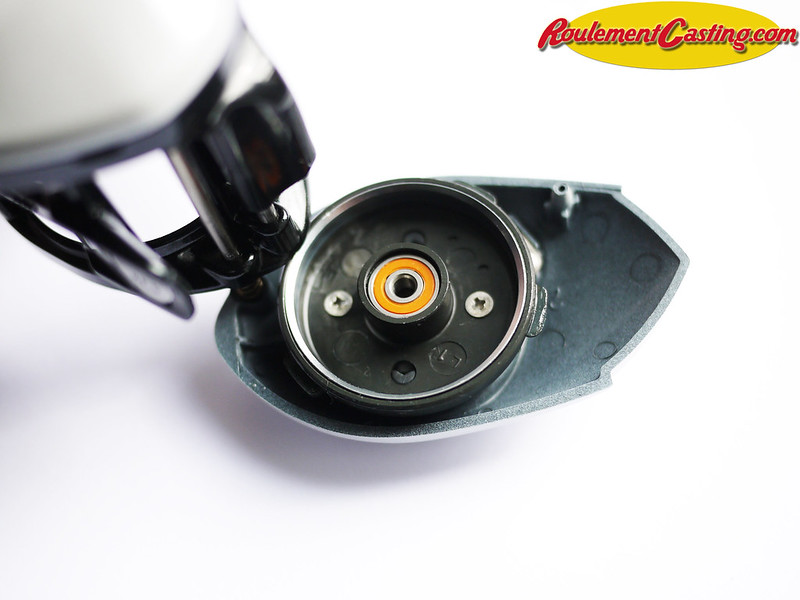
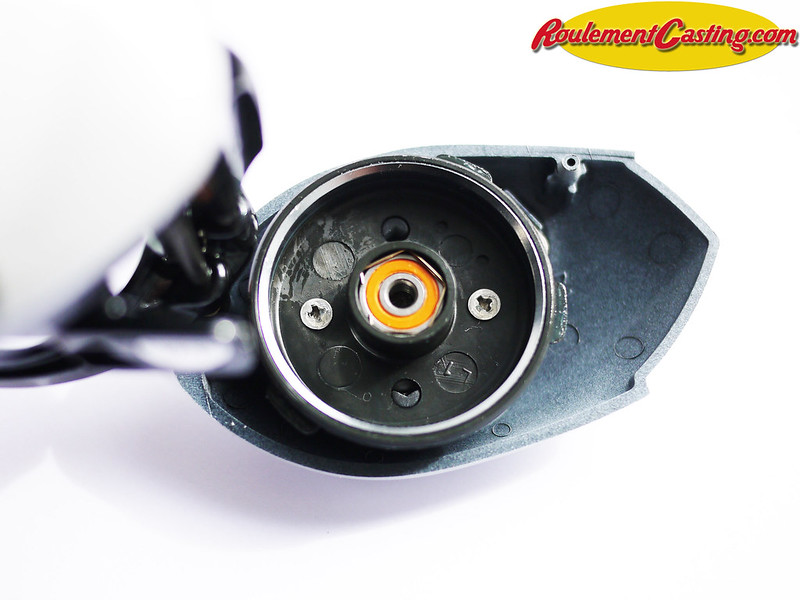
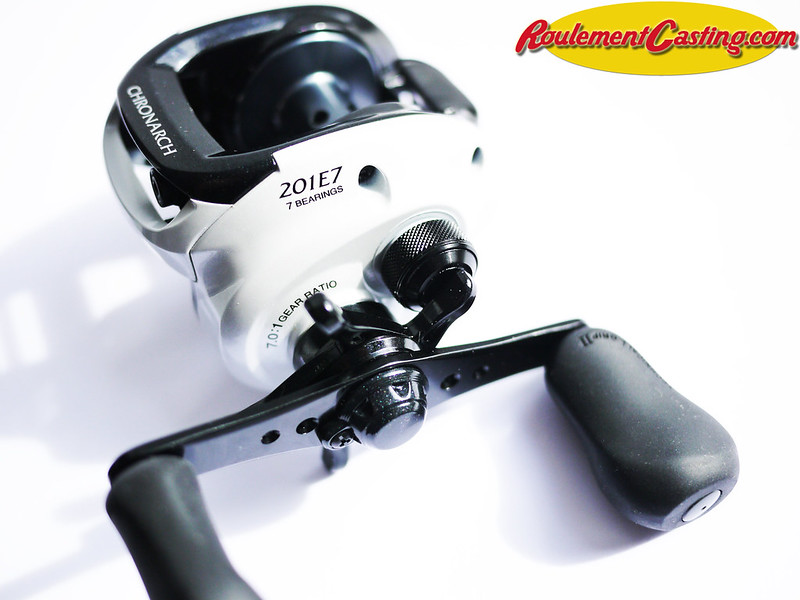
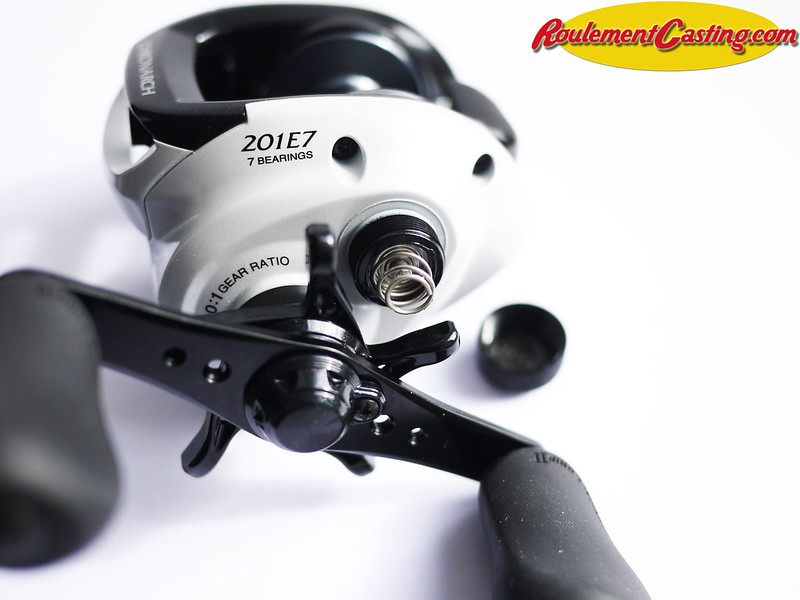
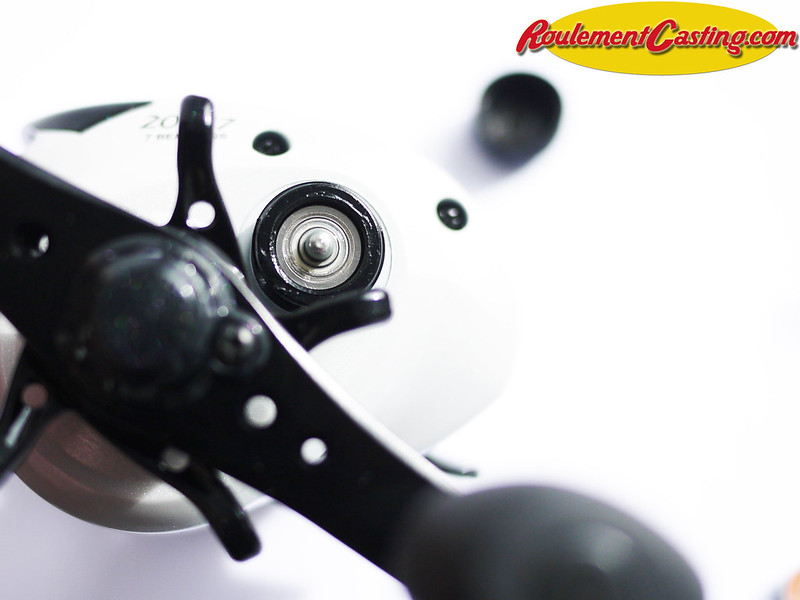
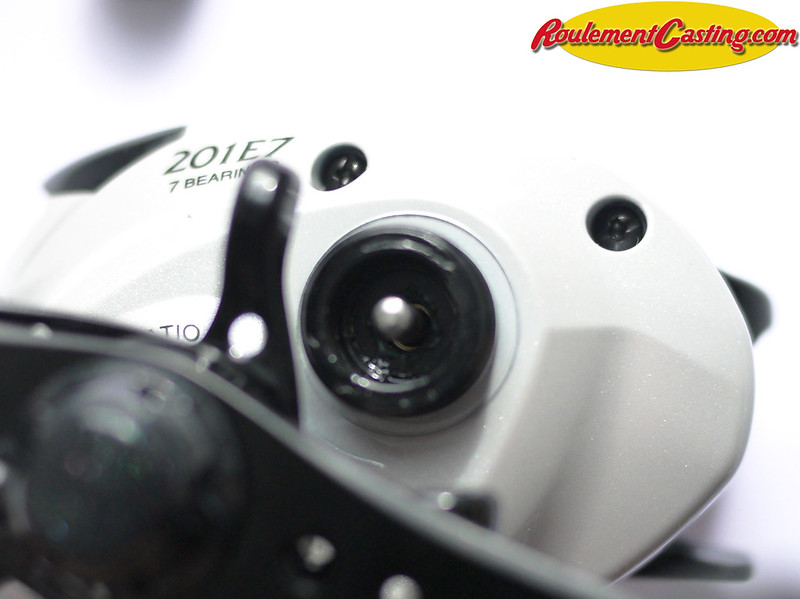
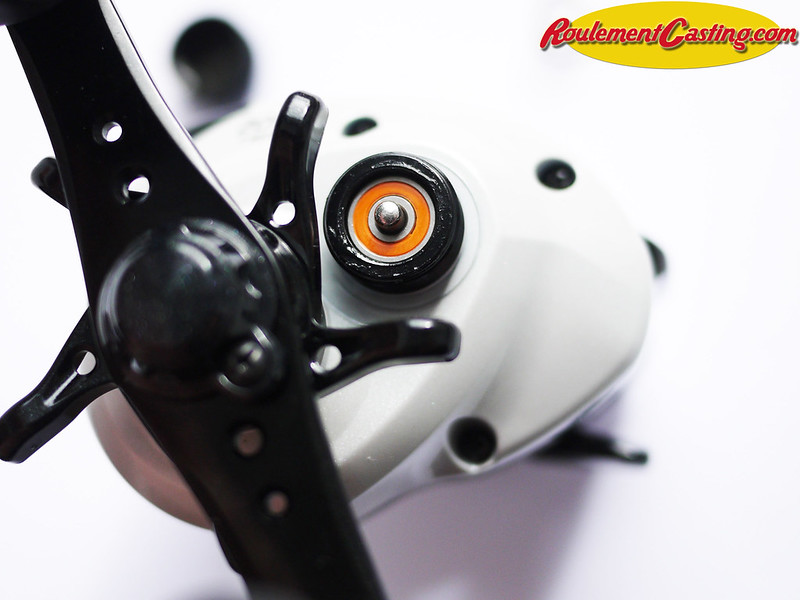
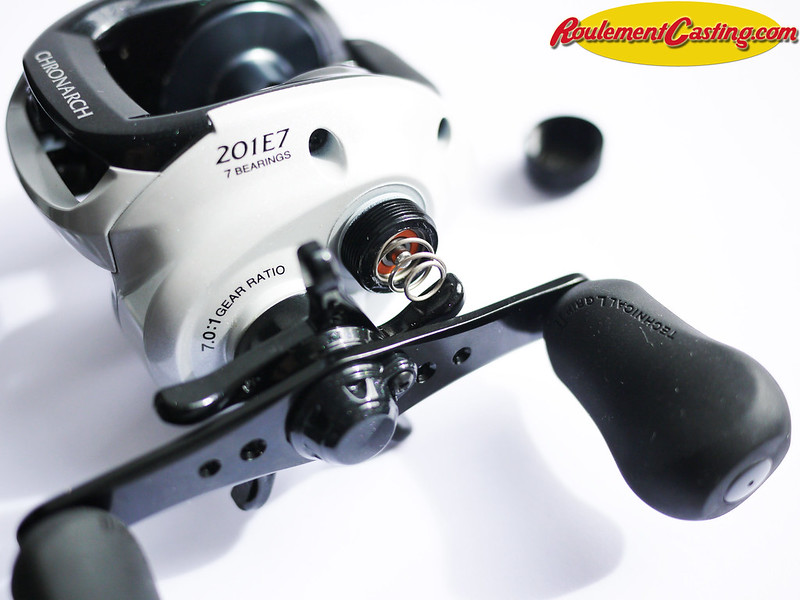
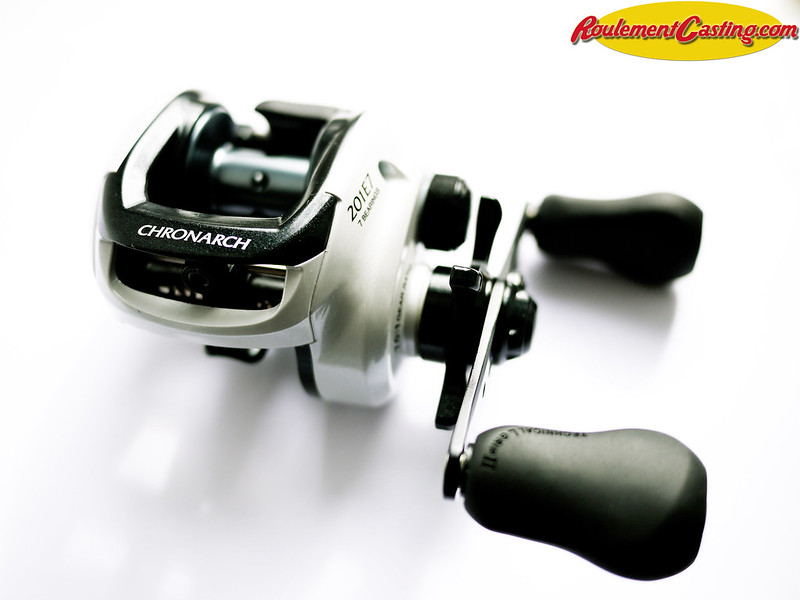
We’re going to look at how to quickly and easily replace the original ball bearings on a Shimano Chronarch 201E7 with hybrid ceramic bearings to significantly improve its performance.
You can find our selection of parts for your Chronarch E7 on the following page:
Shimano Chronarch E7 Upgrade

Video in English